Eating well on a tight grocery budget does not mean every dinner has to feel like a compromise. In fact, some of the most satisfying meals are built from simple ingredients that cost relatively little and can be stretched across several servings. Rice, pasta, potatoes, beans, lentils, eggs, oats, canned tomatoes, frozen vegetables, and inexpensive cuts of meat can become the foundation for dozens of different dinners when you combine them with the right seasonings and cooking methods.
The USDA’s MyPlate budget resources also recommend using staples such as rice, pasta, canned or dried beans, frozen vegetables, oats, potatoes, eggs, and peanut butter as affordable building blocks for meals. That is good news if your grocery bill has started feeling like a second rent payment. You do not necessarily need complicated recipes, specialty ingredients, or expensive convenience foods to put a filling meal on the table. You need a smart collection of inexpensive ingredients and a few reliable recipes that help you use what you already purchased.
The biggest advantage of these cheap meals is flexibility. If you have leftover rice, you can turn it into fried rice, a bean bowl, or a quick skillet dinner. If potatoes are sitting in the pantry, they can become breakfast hash, loaded baked potatoes, or part of a hearty soup. A package of eggs can stretch surprisingly far when paired with vegetables, potatoes, tortillas, or rice.
The same idea applies to chicken: rather than building one dinner around an entire expensive package, you can use smaller amounts of cooked chicken to add flavor and protein to soup, rice, pasta, or casseroles. USDA budget guidance specifically encourages planning meals, buying a mix of fresh, frozen, and shelf-stable foods, shopping sales, and repurposing leftovers to get more value from groceries. So, if your goal is to save money on groceries without eating boring food, these 21 ideas are an excellent place to start.
Why Cheap Meals Can Still Be Filling and Delicious
A cheap meal works best when it combines ingredients that provide volume, flavor, and staying power. Think of your meal like building a sturdy house: inexpensive carbohydrates such as rice, pasta, potatoes, oats, and bread provide the foundation, while beans, lentils, eggs, yogurt, canned fish, chicken, or other affordable proteins help make the meal more satisfying. Vegetables then bring color, texture, and flavor without requiring a huge grocery bill, especially when you choose frozen or canned options when fresh produce is expensive.
USDA MyPlate materials recommend mixing fresh, frozen, and shelf-stable choices and point out that frozen and canned fruits and vegetables can be practical affordable options when selected thoughtfully. This approach also makes your pantry more useful because you are not relying on one type of ingredient for every meal. A can of beans that costs little can become taco filling tonight and a rice bowl tomorrow.
Flavor is another reason budget meals do not have to taste cheap. Garlic powder, onion powder, paprika, black pepper, chili powder, Italian seasoning, curry powder, soy sauce, hot sauce, vinegar, and a few basic condiments can transform humble ingredients. You can also use the cooking method to your advantage. Roasting potatoes creates crisp edges, caramelized onions add sweetness, and browning ground meat or sausage creates deeper flavor than simply boiling ingredients.
A squeeze of lemon or lime at the end can brighten an entire dish, while a spoonful of salsa can turn plain rice and beans into something that feels completely different. The trick is to stop thinking about inexpensive ingredients as limitations and start treating them as blank canvases. Once you learn a few simple combinations, your grocery budget can feel much more flexible.
The Best Budget Ingredients to Keep on Hand
A well-stocked budget pantry does not need to contain dozens of products. A smaller collection of versatile ingredients can actually make meal planning easier because you know exactly what you can create. Rice, pasta, potatoes, oats, dried or canned beans, lentils, canned tomatoes, eggs, peanut butter, frozen vegetables, tortillas, and basic spices are especially useful because they can appear in multiple meals without making everything taste identical.
USDA budget guidance recommends staples such as rice, pasta, canned beans, frozen broccoli, potatoes, carrots, onions, eggs, canned fish, oatmeal, brown rice, and peanut butter as lower-cost or useful choices for meal planning. Buying ingredients that can serve several purposes is one of the easiest ways to reduce food waste. Instead of purchasing one ingredient for one recipe, you are buying ingredients that can move from breakfast to lunch to dinner.
It is also smart to think about shelf life. Fresh produce can be wonderful, but if you cannot use it before it spoils, the bargain quickly disappears. Frozen vegetables are convenient because you can take out only what you need, while canned tomatoes and beans can wait patiently in the pantry. Potatoes, onions, carrots, dried pasta, rice, and oats can also give you a dependable foundation for meals. Buying larger packages can make sense when the unit price is lower and you know your household will use the food.
USDA guidance similarly recommends buying certain staples in bulk when practical and keeping a mixture of freezer and pantry foods available. The goal is not to fill your kitchen with food. It is to create a small, flexible ingredient system where one grocery trip can produce many different meals.
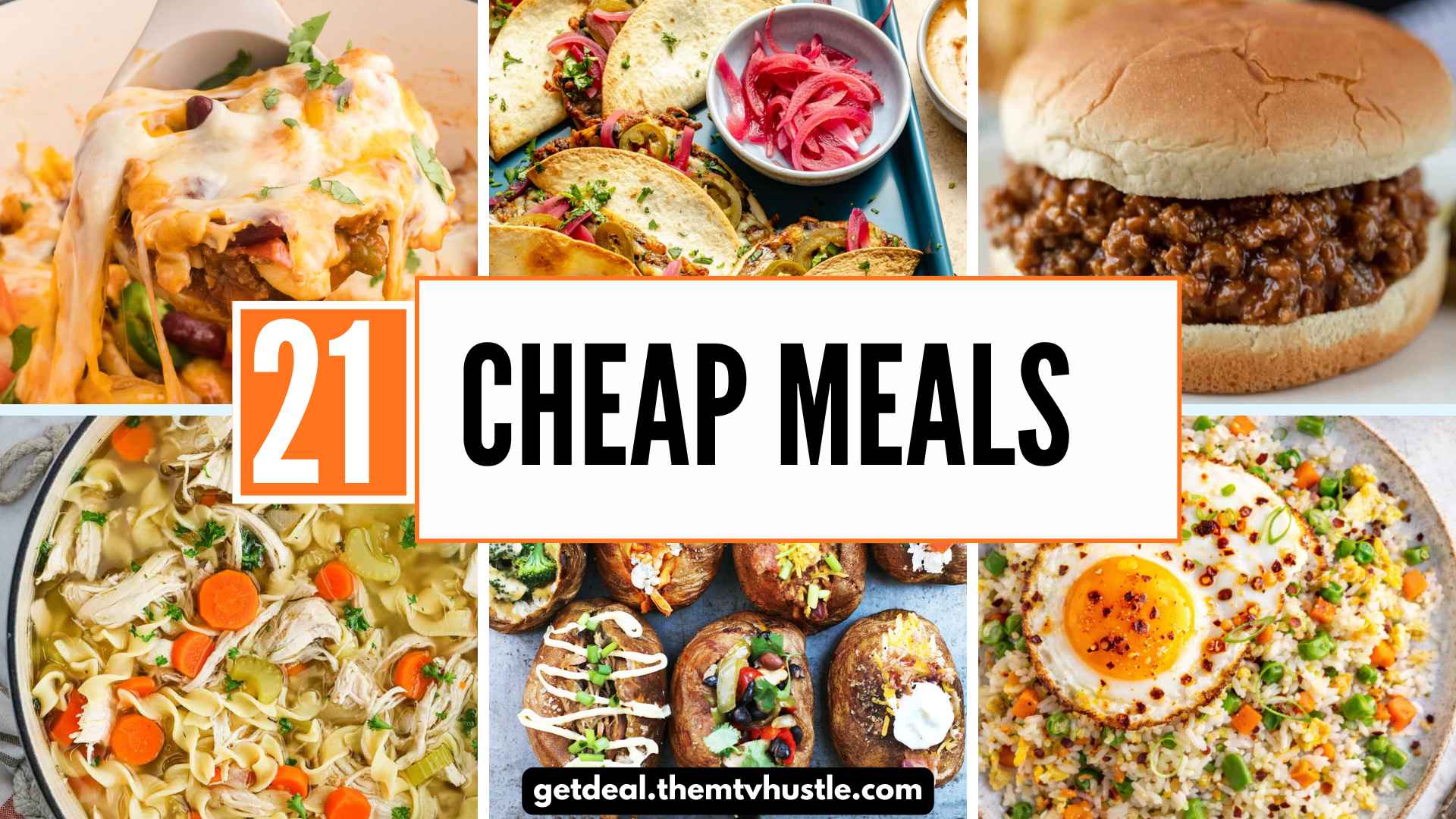
21 Cheap Meals for a Smaller Grocery Budget
The following meals are designed around inexpensive, widely available ingredients. Prices naturally vary depending on your location, store, brand, package size, and current sales, so the recipes are better viewed as budget-friendly meal ideas rather than fixed-cost recipes. You can also make most of them cheaper by using store brands, frozen vegetables, leftovers, and pantry staples you already own.
1. One-Pot Tomato Pasta
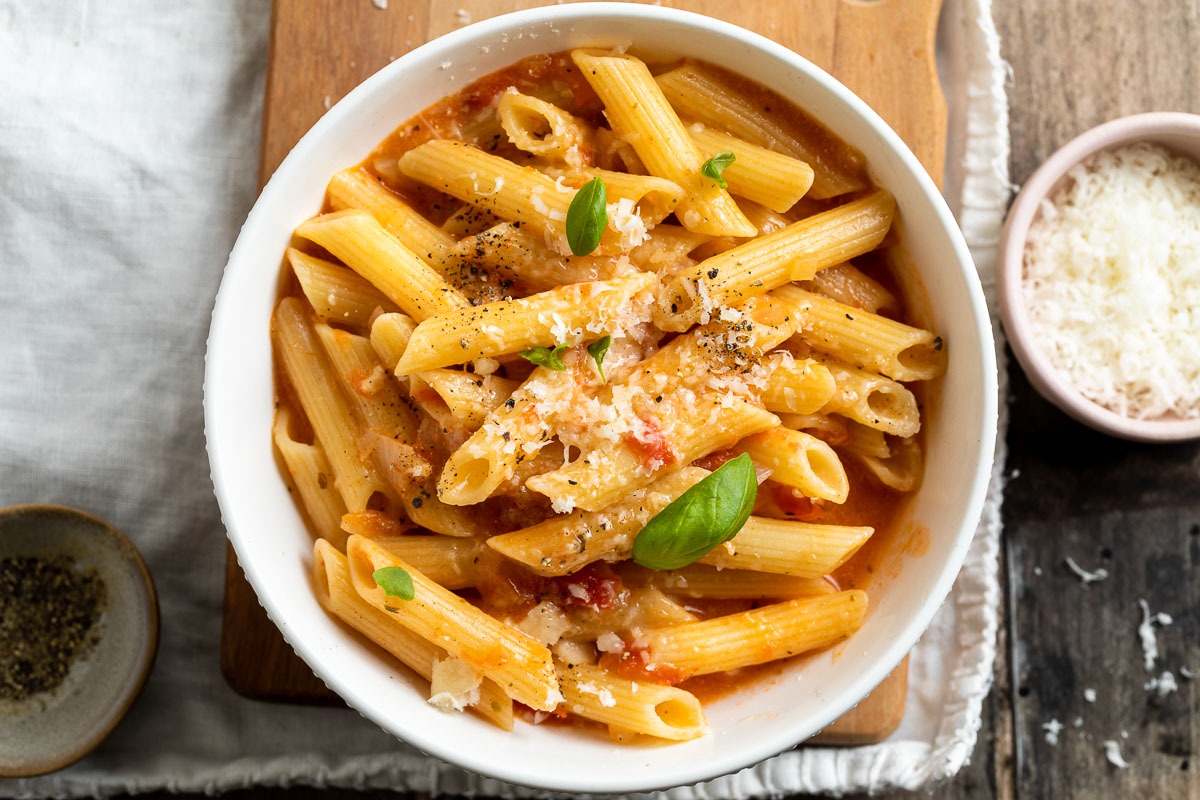
One-pot tomato pasta is one of those meals that proves you do not need a long ingredient list to make dinner satisfying. Start with pasta, canned tomatoes or tomato sauce, onion, garlic, water or broth, and a few seasonings. Everything can cook together in one pot, allowing the pasta to absorb the tomato flavor while creating a simple sauce around it. If you have frozen spinach, peas, mushrooms, or leftover vegetables, toss them in during the final few minutes. A small amount of grated cheese can finish the dish, but it is completely optional.
This meal is particularly useful when you are trying to reduce both grocery costs and cleanup. Pasta is inexpensive, stores well, and can be combined with many different ingredients depending on what you have available. You can make it vegetarian with beans or vegetables, or add a little cooked chicken or sausage if you have leftovers. Want more flavor? Add chili flakes, Italian seasoning, garlic powder, or a splash of balsamic vinegar. The result is warm, comforting, and adaptable enough that it does not feel like the same dinner every time.
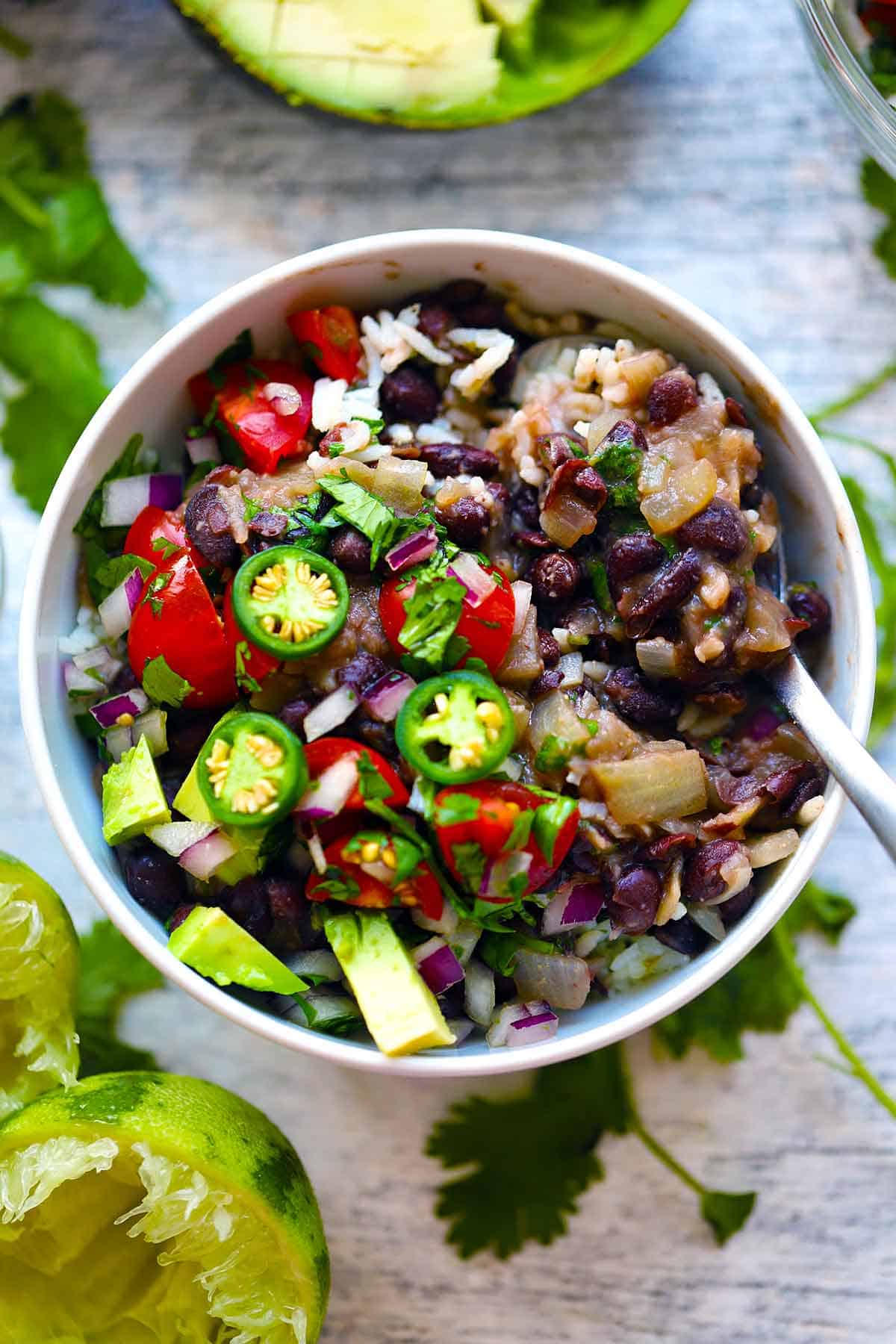
2. Rice and Black Bean Bowls
Rice and black bean bowls are a classic budget meal because two inexpensive staples can become a surprisingly complete dinner. Cook rice and combine it with canned or cooked black beans, then add whatever toppings you already have. Salsa, corn, shredded cabbage, chopped tomatoes, onions, avocado, cheese, or plain yogurt can all work. You can season the beans with cumin, chili powder, garlic, paprika, or a little hot sauce. The beauty of this meal is that you can adjust it according to your pantry instead of shopping for a long list of toppings.
These bowls are also perfect for meal prep because the individual ingredients can be stored separately and combined when you are ready to eat. If you have leftover roasted vegetables, add them. If you have a little cooked chicken, slice it over the top. If the budget is especially tight, simply use rice, beans, salsa, and a few seasonings. USDA MyPlate specifically suggests mixing rice with canned black beans, frozen corn, salsa, and seasonings as a way to repurpose leftovers and stretch ingredients. That is exactly the philosophy behind a good budget meal: one basic combination, several possible variations.
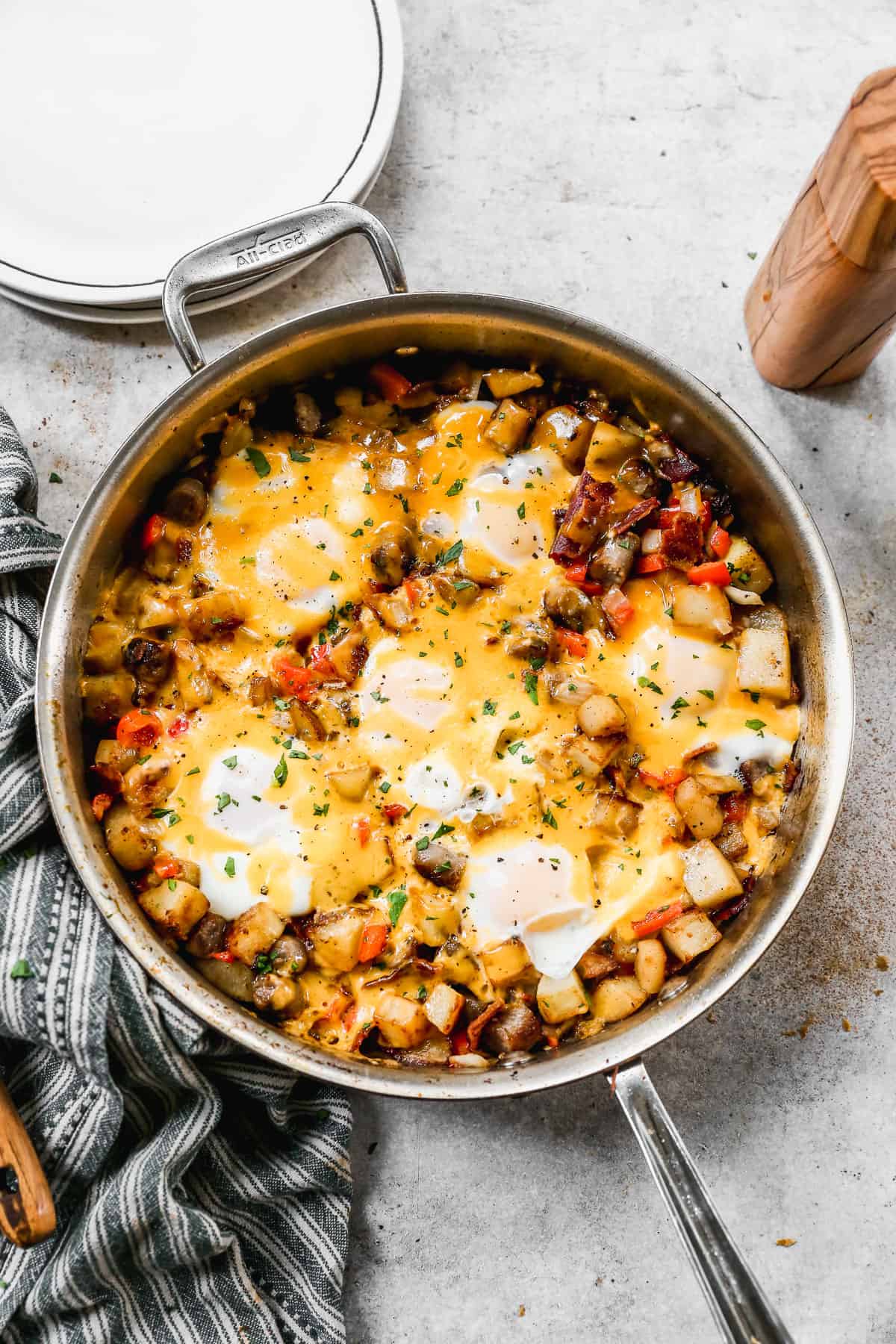
3. Hearty Potato and Egg Skillet
Potatoes and eggs are a powerful combination when you need an inexpensive meal that feels substantial. Dice potatoes into small cubes and cook them in a skillet until tender and lightly crisp. Add chopped onion, peppers, spinach, or any other vegetables that need to be used. Crack eggs into the skillet or scramble them separately before mixing everything together. Finish with black pepper, paprika, hot sauce, shredded cheese, or salsa depending on what you have.
This dish works for breakfast, lunch, or dinner, which makes it even more valuable for a small grocery budget. Eggs can provide an affordable protein option, while potatoes add bulk and make the meal filling. You can also prepare a large batch and use leftovers as filling for breakfast burritos or wraps the following day. If you have leftover cooked meat, adding a small amount can change the entire dish without requiring another expensive protein purchase. The USDA’s budget guidance includes potatoes and eggs among useful lower-cost ingredients for planning affordable meals.
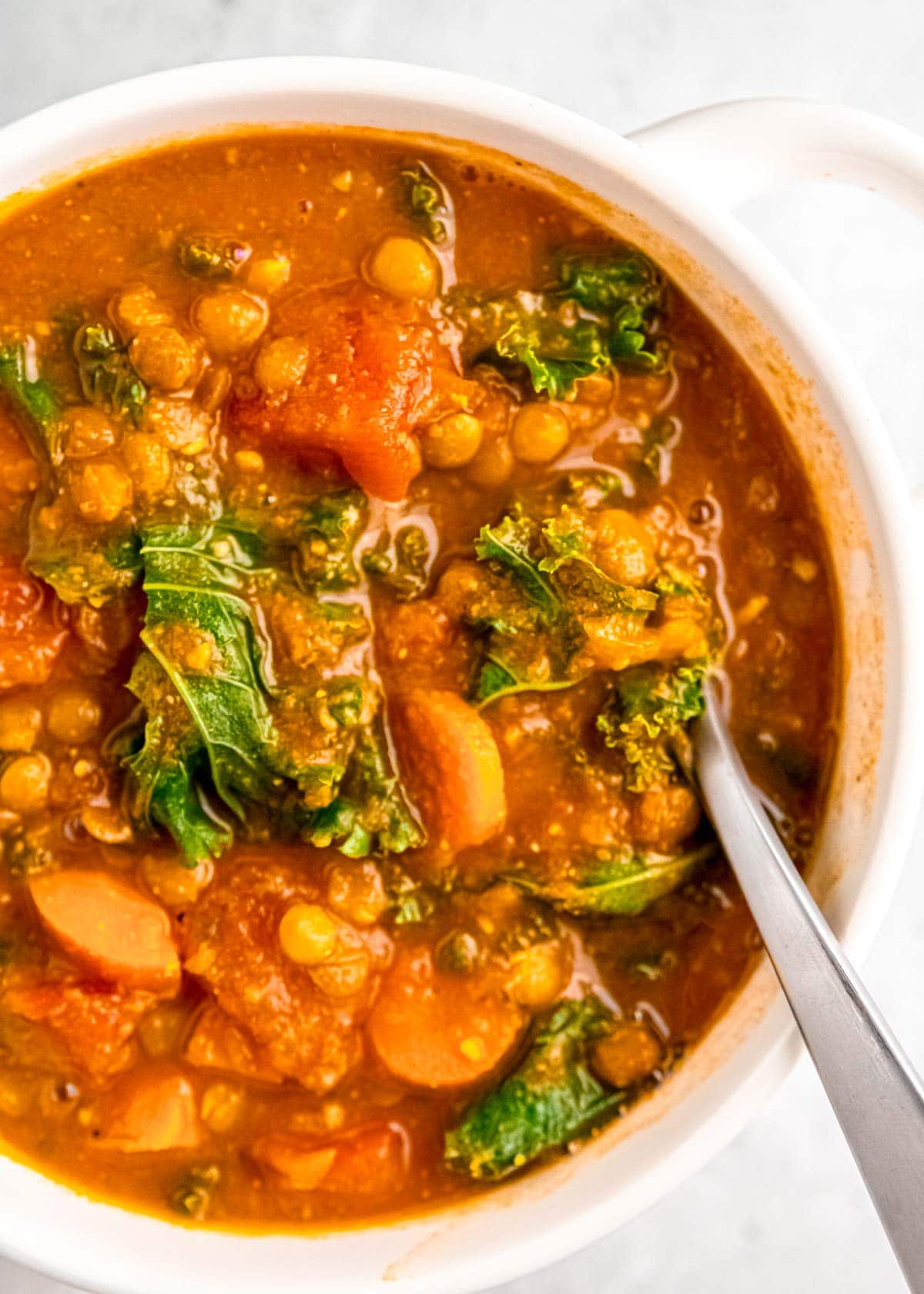
4. Homemade Lentil Soup
Lentil soup is the kind of meal that can make a modest pantry look surprisingly generous. Lentils are inexpensive, store well, and cook into a thick, satisfying soup without requiring meat. Combine them with onions, carrots, canned tomatoes, garlic, broth or water, and seasonings such as cumin, paprika, thyme, or bay leaves. Add potatoes or other vegetables if you have them. Let everything simmer until the lentils are tender and the flavors have blended together.
One of the best things about lentil soup is how well it handles leftovers. A large pot can provide several lunches or dinners, and the flavor often improves after resting overnight. You can freeze portions if you make more than your household needs immediately. Serve it with toast, rice, or a simple piece of bread to make the meal even more substantial. Lentils also fit naturally into the broader budget-meal strategy because they can replace or reduce the amount of more expensive meat in many dishes. When your grocery budget is under pressure, a warm pot of lentil soup can be one of the smartest things you can cook.
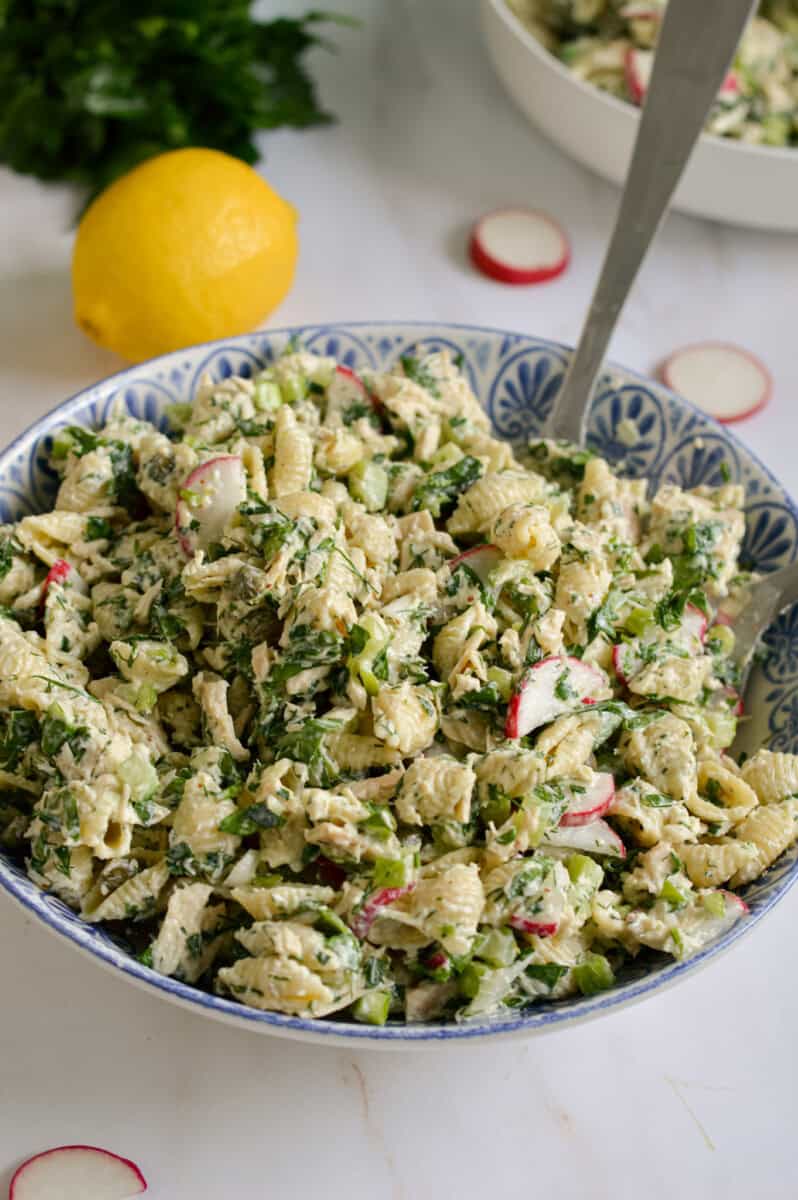
5. Tuna Pasta Salad
Tuna pasta salad is quick, inexpensive, and especially useful for lunches. Cook pasta and let it cool before mixing it with canned tuna, peas, carrots, corn, or chopped vegetables. Add mayonnaise, plain yogurt, mustard, or a simple mixture of oil and vinegar for the dressing. Season with black pepper, garlic powder, herbs, or a little lemon juice. You can make the salad creamy or light depending on what you already have.
The recipe is flexible enough to absorb random leftovers, which is exactly what you want from a budget meal. A small amount of tuna can add flavor and protein without requiring a large portion of fish. If tuna is not available, you can replace it with chopped eggs, beans, leftover chicken, or another protein. Pasta also makes the meal stretch further, giving you multiple servings from a relatively small amount of the more expensive ingredient. Store individual portions in the refrigerator and you have an easy grab-and-go lunch for several days.
6. Vegetable Fried Rice
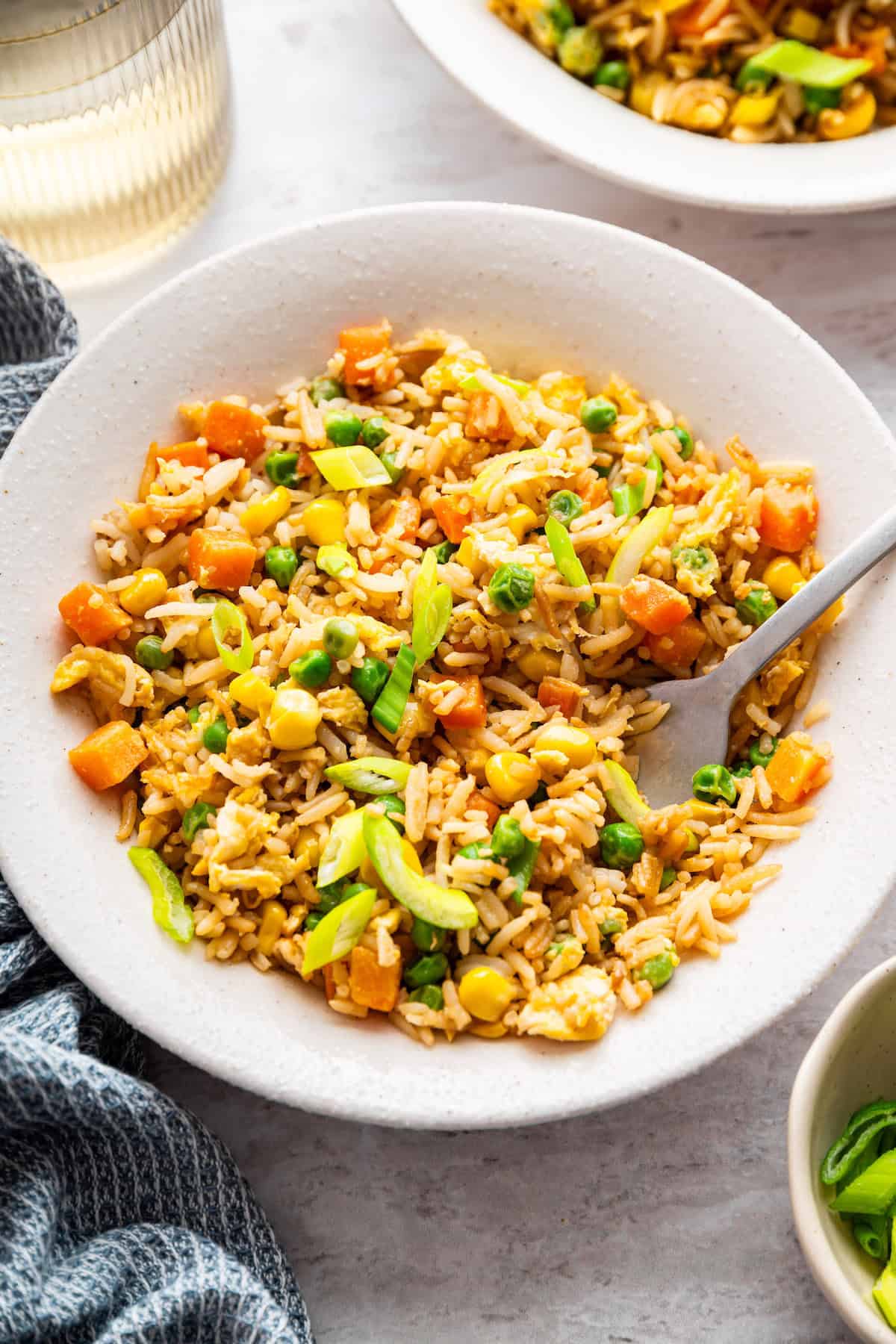
Vegetable fried rice is practically designed for leftovers. Instead of throwing away yesterday’s cooked rice, refrigerate it and use it the next day with frozen vegetables, eggs, onions, and a little soy sauce. Heat everything in a large skillet, adding the ingredients in stages so the vegetables stay flavorful and the rice develops some crisp edges. You can add garlic, ginger, chili flakes, or sesame oil if you already have them. No special equipment is required.
The recipe becomes even more economical because frozen vegetables can be used directly from the freezer, reducing waste from fresh produce that might otherwise spoil. You can also add small amounts of leftover chicken, pork, tofu, or scrambled egg. The result feels completely different from the original rice dish, which is why fried rice is such a useful leftover strategy. USDA guidance encourages repurposing leftovers and keeping freezer and pantry staples available for this exact reason.
7. Creamy Chicken and Rice
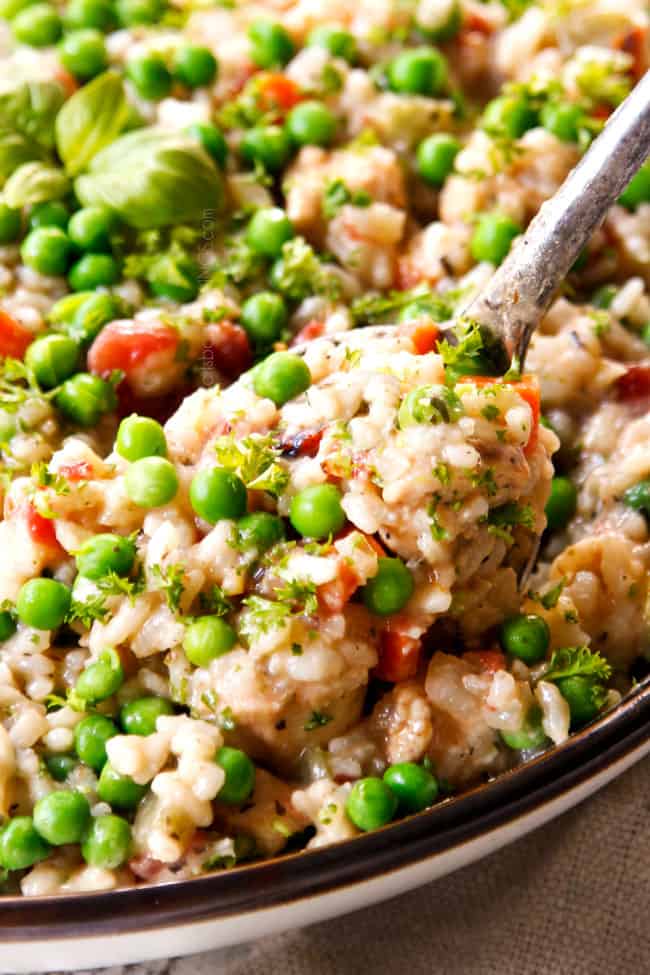
Creamy chicken and rice can turn a small amount of leftover chicken into a comforting family meal. Cook rice with broth or water and add chopped chicken, frozen peas, carrots, or another inexpensive vegetable. For creaminess, use milk, plain yogurt, cream cheese, or a small amount of canned soup depending on what you already have. Season with garlic, onion powder, black pepper, and herbs. You do not need a large quantity of chicken because the rice and vegetables provide plenty of volume.
This is another recipe where leftovers become an advantage rather than a burden. A roasted chicken dinner can produce leftover meat that becomes the protein for this meal the next day. You can also stretch the chicken further by shredding it finely and mixing it throughout the rice instead of serving large pieces. If you are trying to lower the cost even more, replace part of the chicken with beans or lentils. The goal is to make the expensive ingredient one part of the meal rather than the entire meal.
8. Bean and Cheese Quesadillas
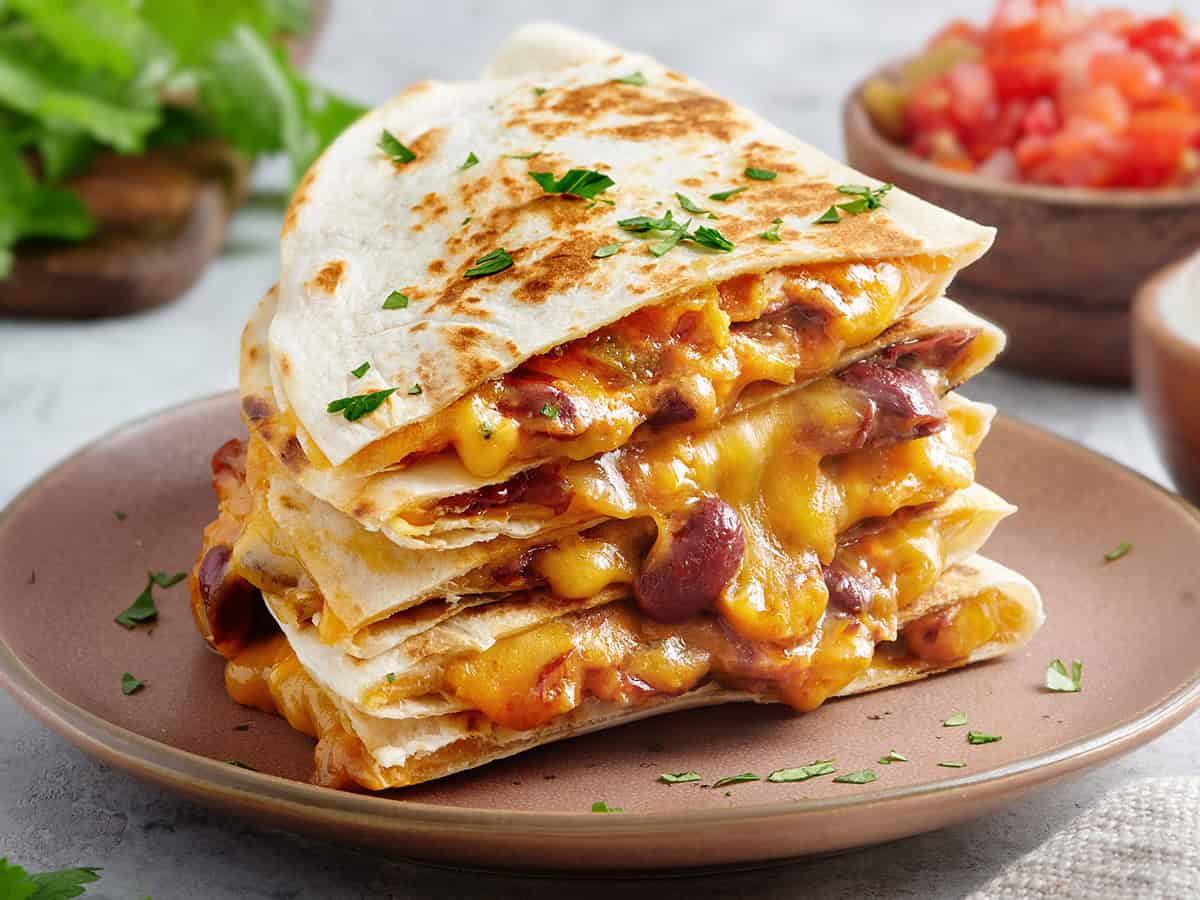
Bean and cheese quesadillas are fast, filling, and remarkably inexpensive. Spread seasoned mashed black beans or pinto beans over a tortilla, sprinkle with cheese, fold it in half, and cook until crisp on both sides. Add onions, corn, spinach, leftover vegetables, or salsa if you have them. You can season the beans with cumin, chili powder, paprika, and garlic. Serve with salsa or plain yogurt instead of purchasing a separate dip.
These quesadillas are especially useful for families because everyone can customize their own. One person can keep the filling simple while another can add vegetables or hot sauce. You can also prepare extra bean filling and use it for tacos, rice bowls, or baked potatoes later in the week. Beans are inexpensive and versatile, while tortillas can be kept on hand for several quick meals. That makes this dish more than just a cheap dinner. It becomes part of a flexible grocery strategy.
9. Loaded Baked Potatoes
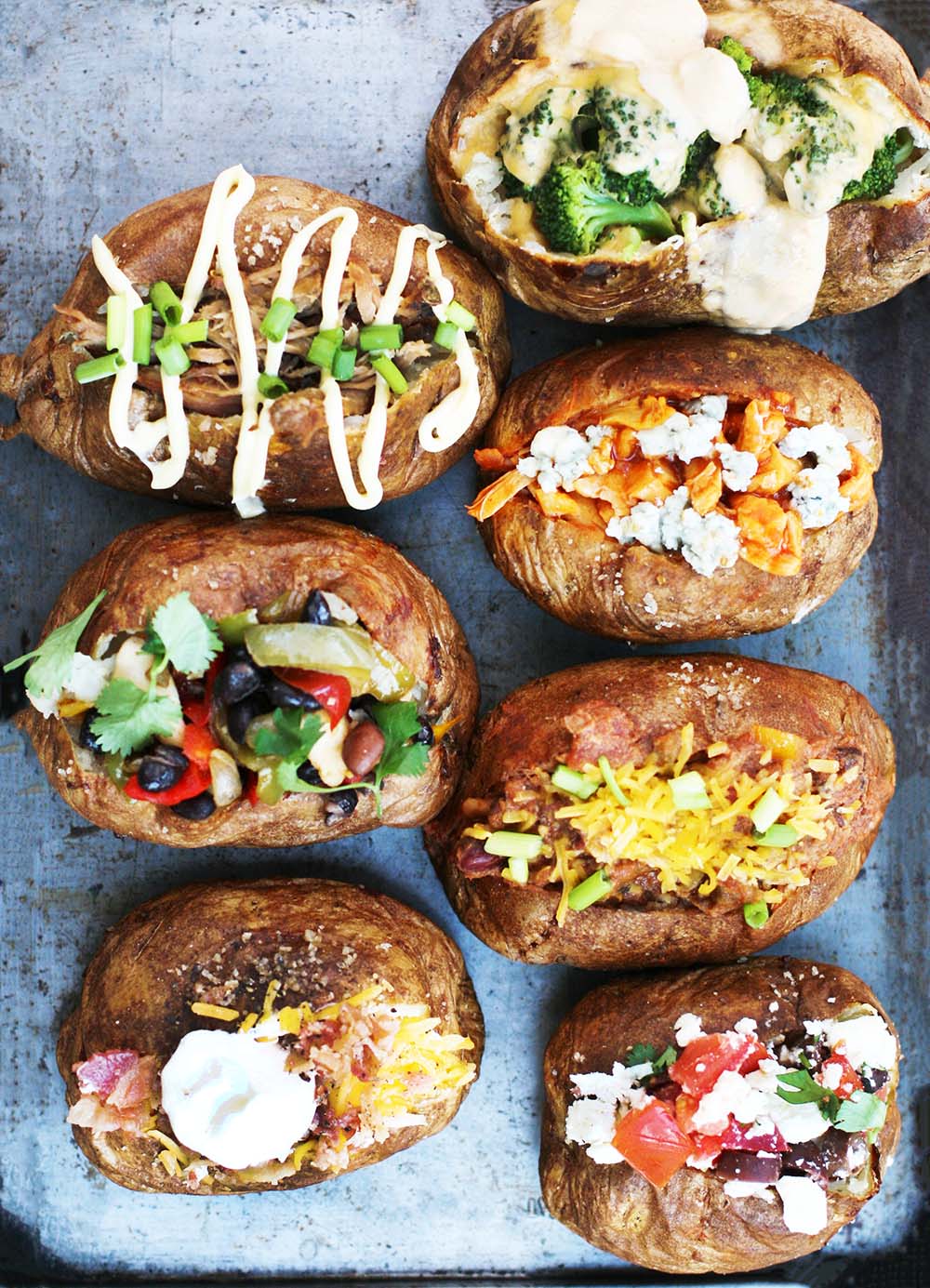
A baked potato can become a full meal when you load it with inexpensive toppings. Bake potatoes until soft, then split them open and add beans, broccoli, corn, cheese, yogurt, salsa, leftover chili, or shredded chicken. You do not need every topping at once. Even potatoes with beans, seasoning, and a small amount of cheese can be satisfying.
This is one of the easiest meals for using leftovers because almost anything can become a potato topping. Have leftover vegetables? Add them. A little chili left from yesterday? Spoon it over the potato. Half a can of beans sitting in the refrigerator? Warm them and use them. USDA budget materials list potatoes among useful lower-cost vegetables and recommend using leftovers creatively rather than letting food go to waste. The humble baked potato is proof that an inexpensive base can become an entirely different meal with a few thoughtful additions.
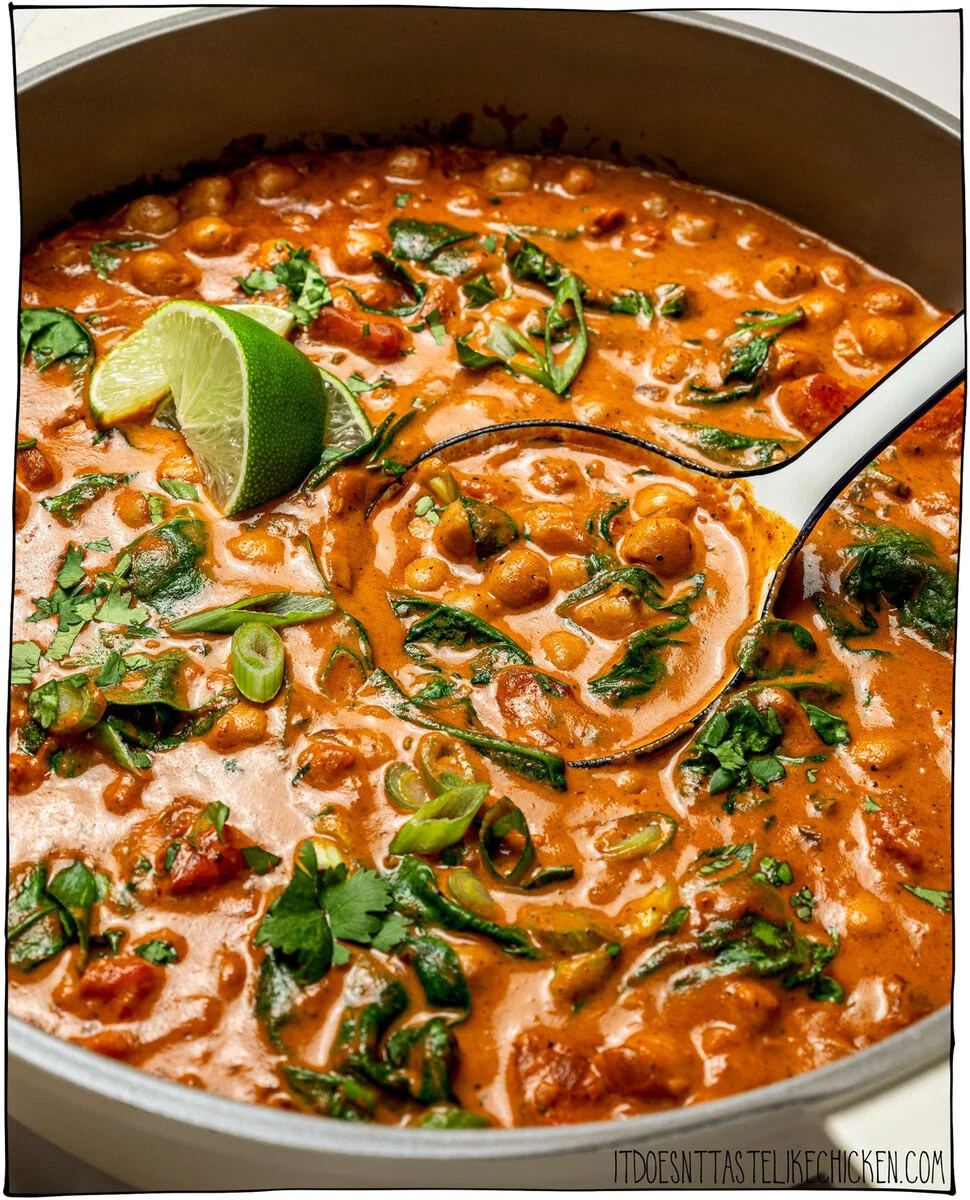
10. Easy Chickpea Curry
Chickpea curry is warm, flavorful, and surprisingly simple to prepare. Cook onions and garlic with curry powder or a blend of spices, then add canned chickpeas and tomatoes. Coconut milk can create a creamy sauce, but if you do not have it, use broth or a little milk instead. Add frozen spinach or another vegetable for extra color and texture. Serve over rice to stretch the meal into several portions.
The spices do most of the heavy lifting here, which means you can keep the ingredient list inexpensive without sacrificing flavor. Chickpeas are also useful because canned versions require almost no preparation, while dried chickpeas can be economical if you are willing to cook them ahead of time. You can make the curry thicker and serve it with flatbread or thinner over rice. Leftovers can become lunch the next day, and the flavors often taste even better after they have had time to blend.
11. Homemade Vegetable Soup
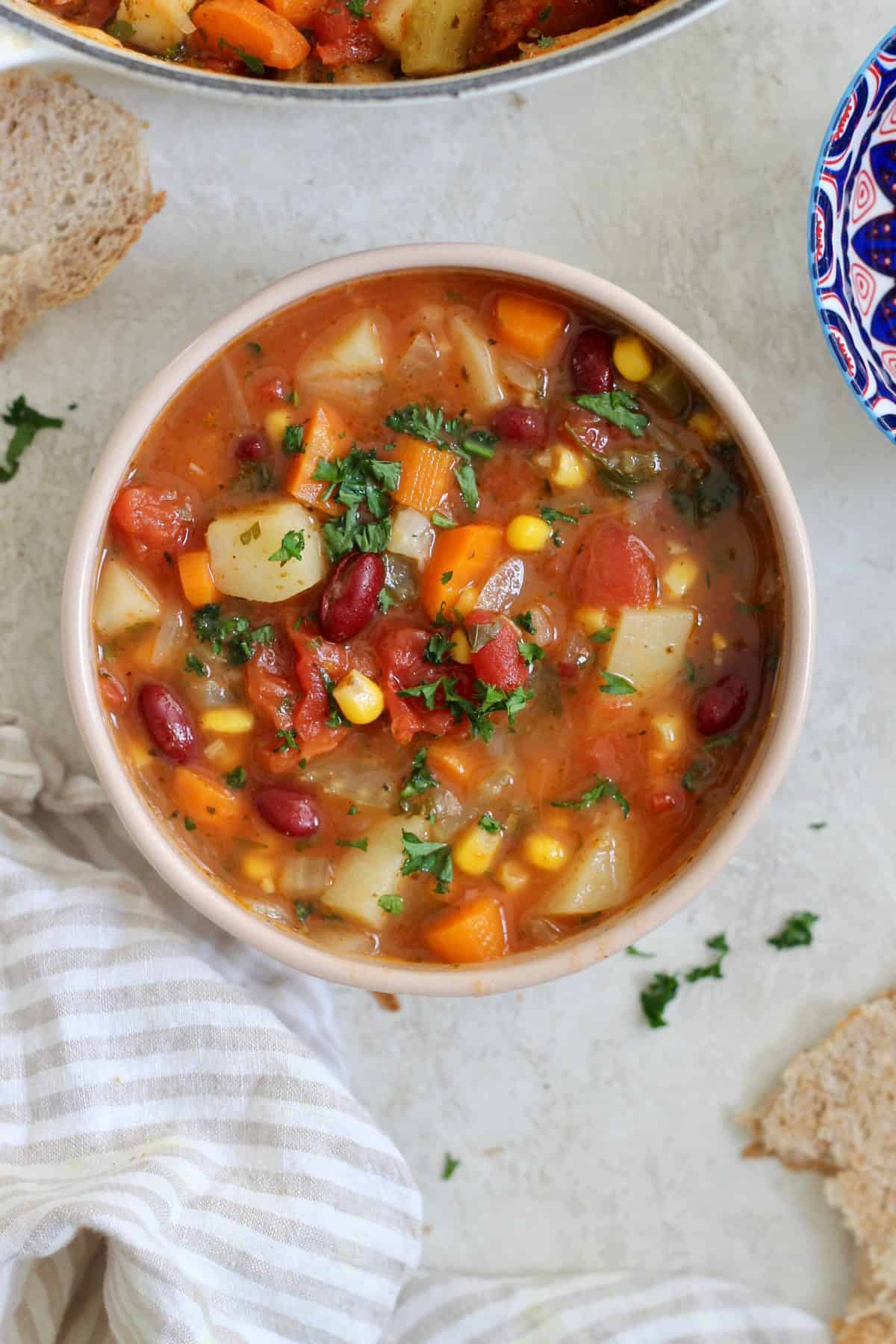
Vegetable soup is a perfect answer to the question, “What can I make with all these random ingredients?” Start with onions, carrots, potatoes, canned tomatoes, broth, and whatever vegetables you have available. Add beans, lentils, pasta, or rice to make the soup more filling. Season it with garlic, pepper, Italian herbs, paprika, or chili flakes. Simmer everything until the vegetables are tender.
You can make the soup differently every time depending on what needs to be used. A handful of frozen peas can go in one batch, while leftover cabbage or spinach can go into another. This helps reduce food waste while making the grocery budget work harder. USDA guidance recommends planning meals around foods already on hand and using fresh items first while keeping frozen and shelf-stable foods available. A flexible vegetable soup follows that strategy perfectly.
12. Peanut Butter Banana Oatmeal
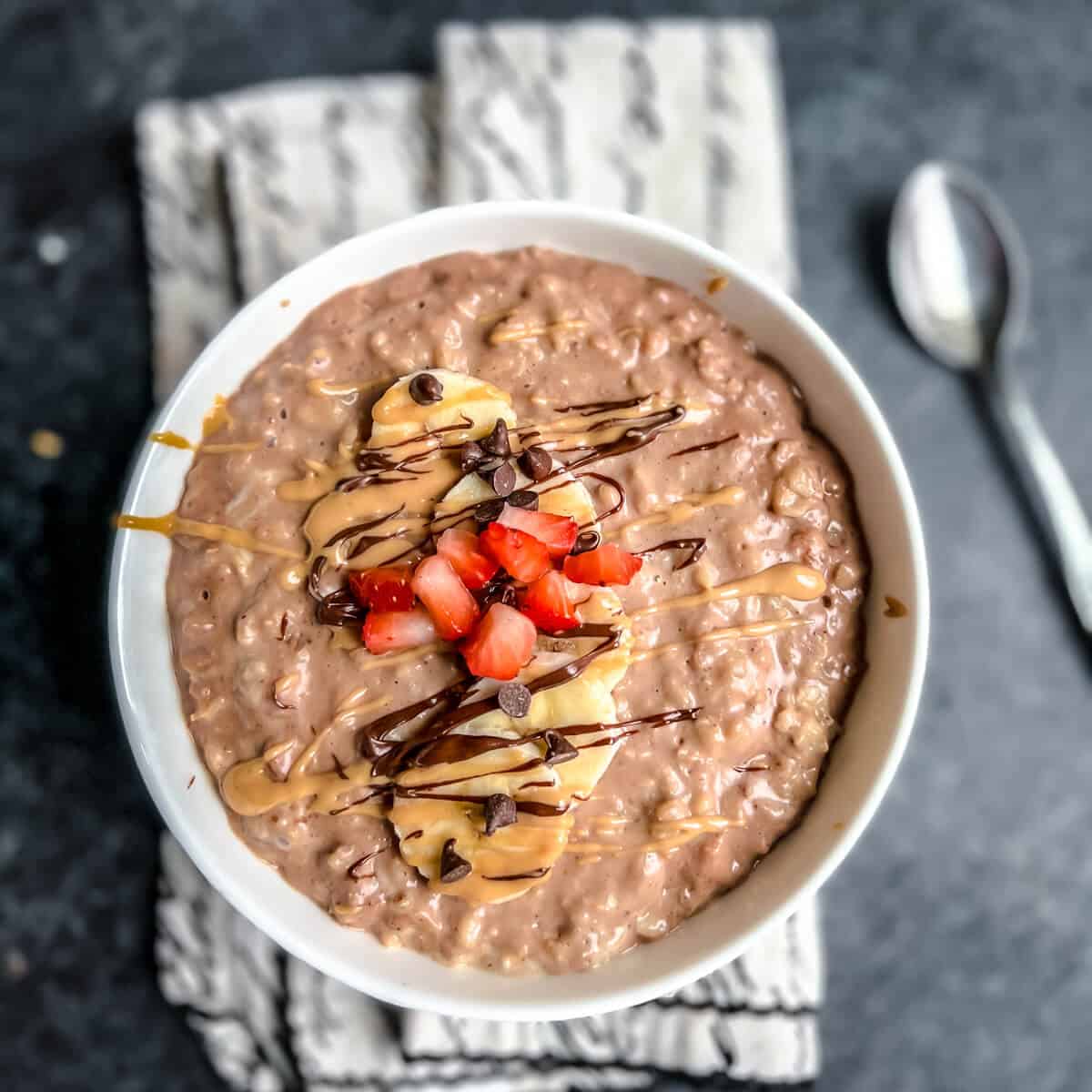
Cheap meals are not limited to dinner. Peanut butter banana oatmeal is an inexpensive breakfast that can keep you satisfied without requiring complicated preparation. Cook oats with milk or water, then add sliced banana and a spoonful of peanut butter. Cinnamon, honey, raisins, or chopped nuts can be added if available. You can also prepare overnight oats in advance for busy mornings.
Oats are especially useful for a budget-conscious kitchen because they are inexpensive, easy to store, and adaptable. Bananas are also commonly used in affordable breakfast combinations because they add sweetness without requiring expensive packaged toppings. If bananas become overripe, slice and freeze them for smoothies or oatmeal. USDA budget resources specifically include oatmeal and peanut butter among practical staples for affordable meal planning. This simple breakfast can therefore become a reliable part of a low-cost weekly menu.
13. Sausage and Cabbage Skillet
A small amount of sausage can flavor an entire skillet when combined with cabbage, onions, and potatoes. Slice the sausage thinly so that every serving gets some, then brown it before adding the vegetables. Cook until the cabbage becomes tender and slightly caramelized. Add black pepper, paprika, garlic, or a splash of vinegar to brighten the dish.
This meal demonstrates one of the most useful budget cooking techniques: use flavorful ingredients strategically. You do not need a large quantity of sausage when it is paired with plenty of inexpensive vegetables. Cabbage can also be a useful budget vegetable because it provides a lot of volume and can be used in soups, stir-fries, tacos, salads, and skillet meals. If you have leftover rice, serve the skillet over it to create even more portions. The result is hearty without requiring an expensive meat-centered dinner.

14. Chili Mac and Cheese
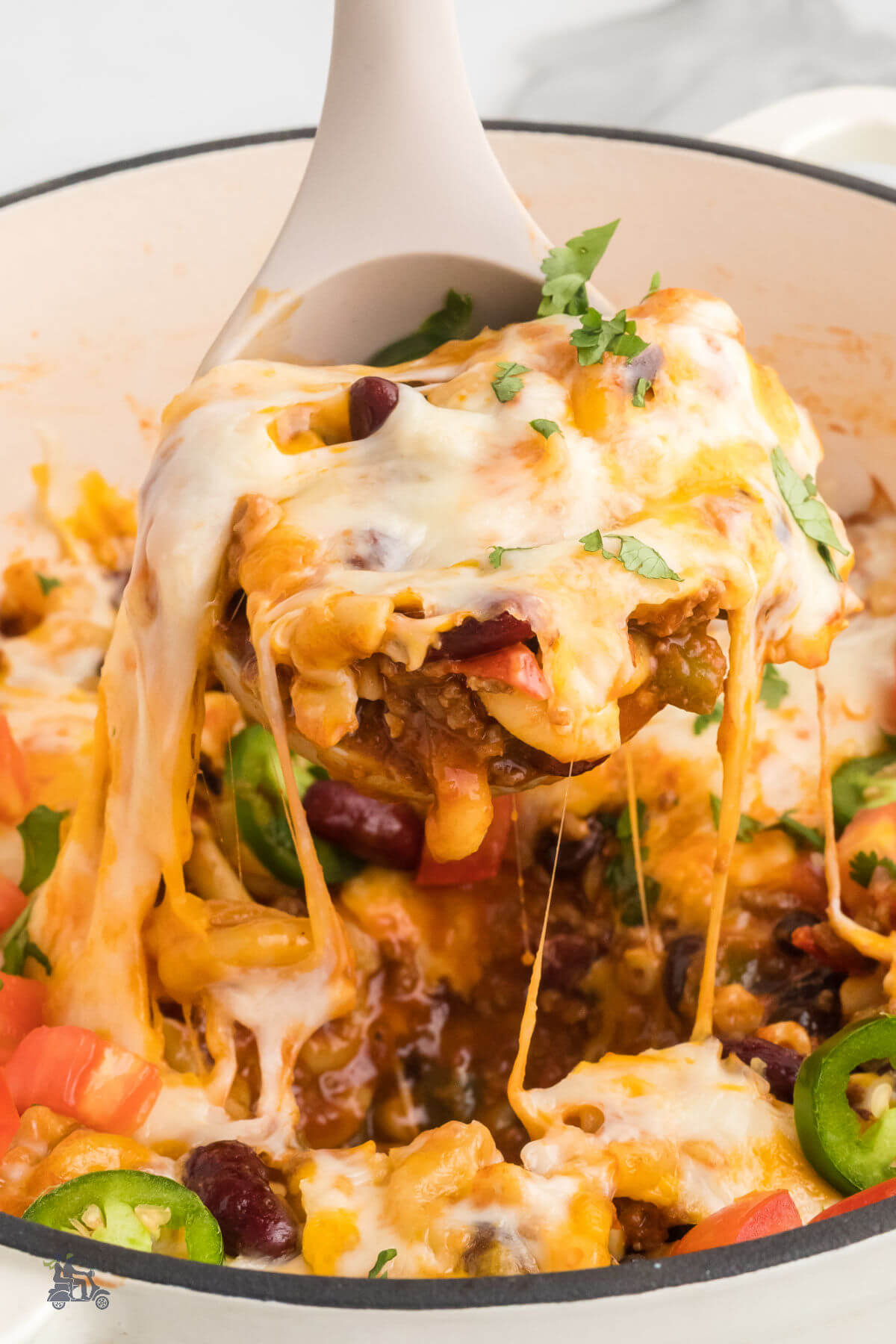
Chili mac combines two comfort-food favorites into one affordable meal. Cook pasta and mix it with beans, canned tomatoes, chili seasoning, and a small amount of ground meat if you have it. Stir in cheese at the end for creaminess. You can skip the meat completely and use extra beans or lentils. Corn, onions, or frozen peppers can also be added.
This meal is excellent for feeding several people because pasta and beans provide plenty of bulk. If you are using ground meat, brown a modest amount and distribute it throughout the entire pot rather than making meat the main component. That small change can dramatically reduce the cost per serving. Leftovers also reheat well, making chili mac useful for packed lunches. It is the kind of meal that feels indulgent even though its core ingredients are inexpensive pantry staples.
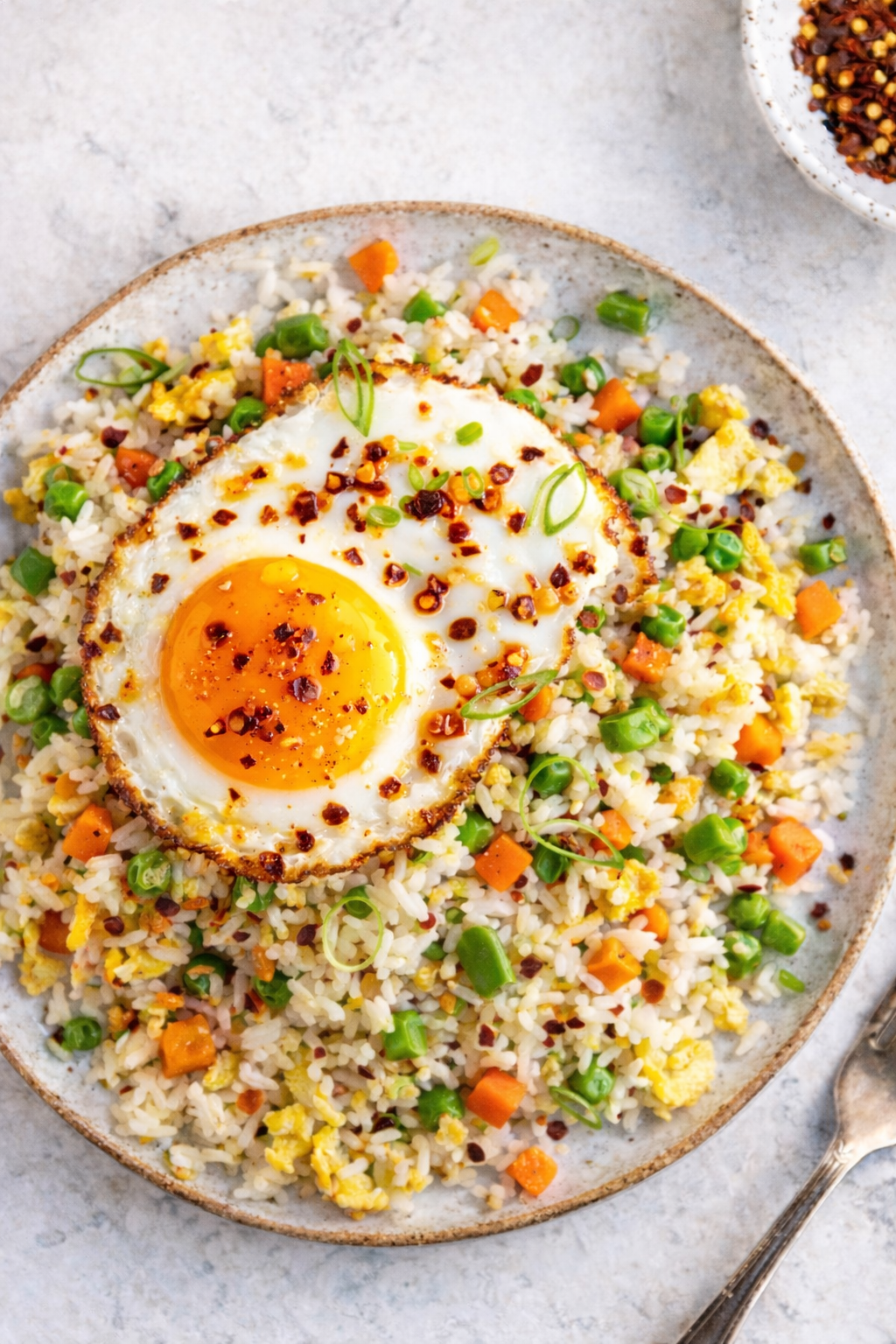
15. Egg and Vegetable Fried Rice
If you need a meatless dinner that takes little time, egg and vegetable fried rice is a strong choice. Use leftover rice, eggs, frozen vegetables, onions, and soy sauce. Scramble the eggs first, remove them from the skillet, cook the vegetables, then add the rice and return the eggs to the pan. Season with soy sauce, garlic, ginger, or chili flakes.
The key to making this dish taste good is using high heat and avoiding too much liquid. Cold leftover rice works especially well because it is less sticky than freshly cooked rice. You can make enough for several portions and refrigerate the leftovers for quick lunches. If you want more variety later, turn the same rice into a bowl with beans or add leftover chicken. One basic batch can therefore serve as the starting point for several meals.
16. Lentil and Rice Bowls
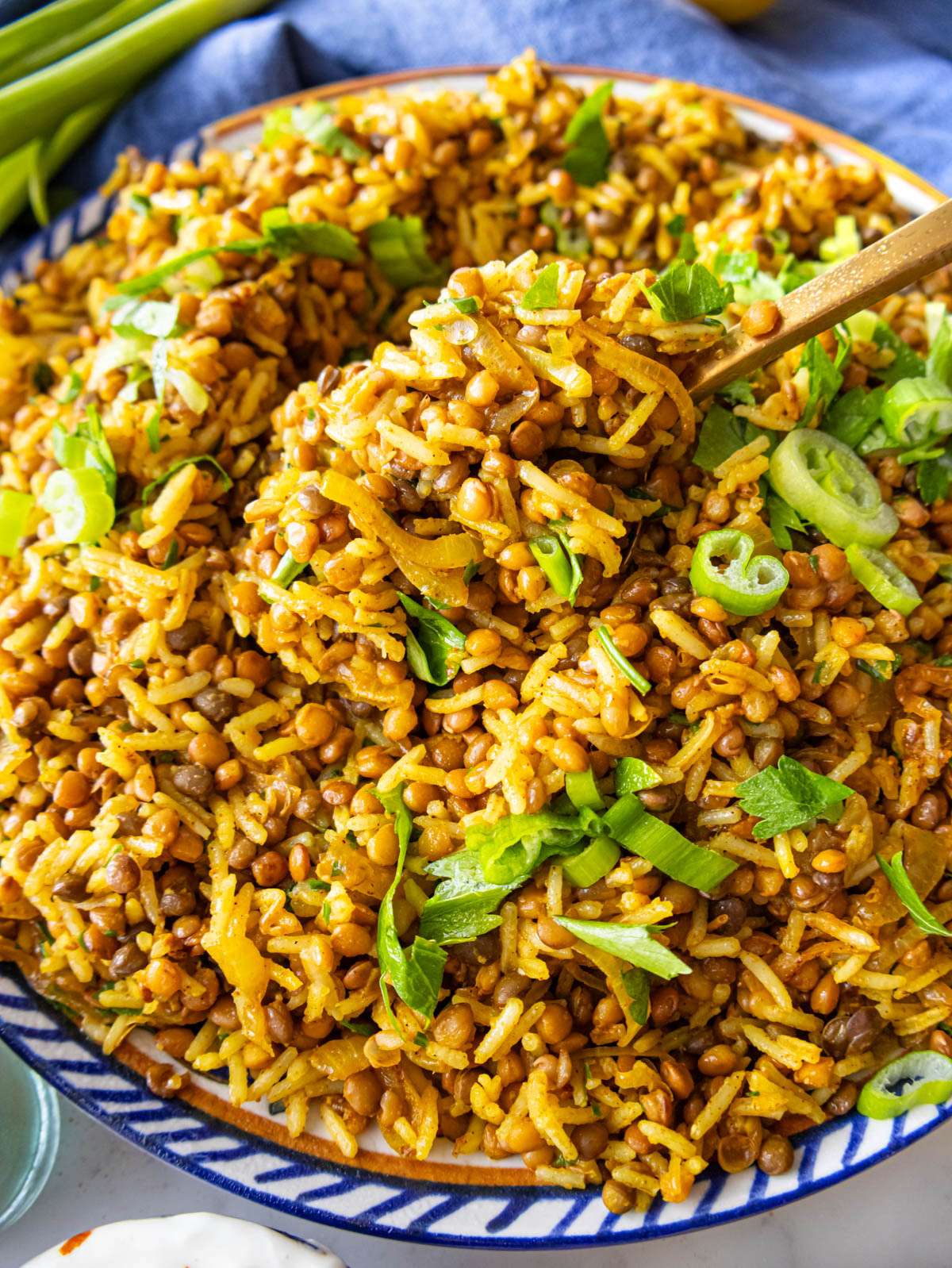
Lentil and rice bowls are simple, filling, and easy to customize. Cook lentils with onion, garlic, cumin, or curry spices while preparing rice separately. Combine them in bowls and add whatever vegetables or sauces you have available. A spoonful of yogurt, chopped tomato, cucumber, salsa, or hot sauce can change the flavor completely.
This combination is particularly useful when you want to stretch a grocery trip. Both rice and lentils can be stored for a long time, and dried lentils cook relatively quickly compared with many dried beans. You can make a large batch and transform the leftovers into soup, wraps, or a skillet meal. Adding different seasonings each day keeps the same base ingredients from becoming monotonous. The result is an inexpensive meal that can be adapted to many cuisines.
17. Simple Chicken Noodle Soup
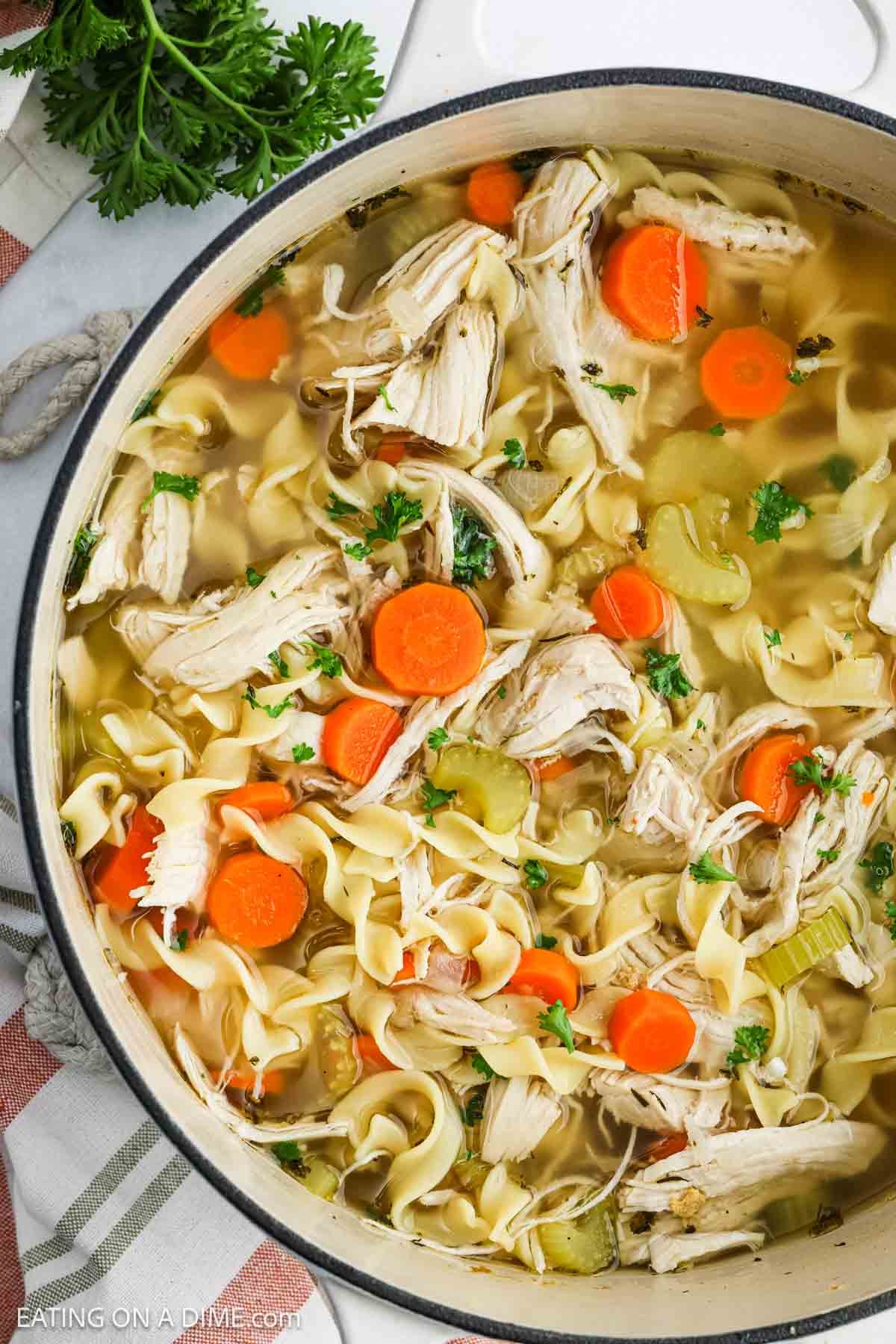
Chicken noodle soup does not require a whole chicken to be satisfying. Use a smaller amount of cooked chicken with noodles, carrots, onions, celery, and broth. If you have leftover roasted chicken, this is an excellent way to give it a second life. Add herbs and black pepper for flavor, then simmer until the vegetables are tender and the noodles are cooked.
The soup can be stretched by adding extra vegetables or noodles rather than increasing the amount of chicken. You can also replace some of the chicken with white beans if you need more servings. Making soup at home can help you control portions and use ingredients that might otherwise be forgotten in the refrigerator. It is another example of how a smart cooking method can make a modest collection of groceries feel much more generous.
18. Bean and Tomato Tacos
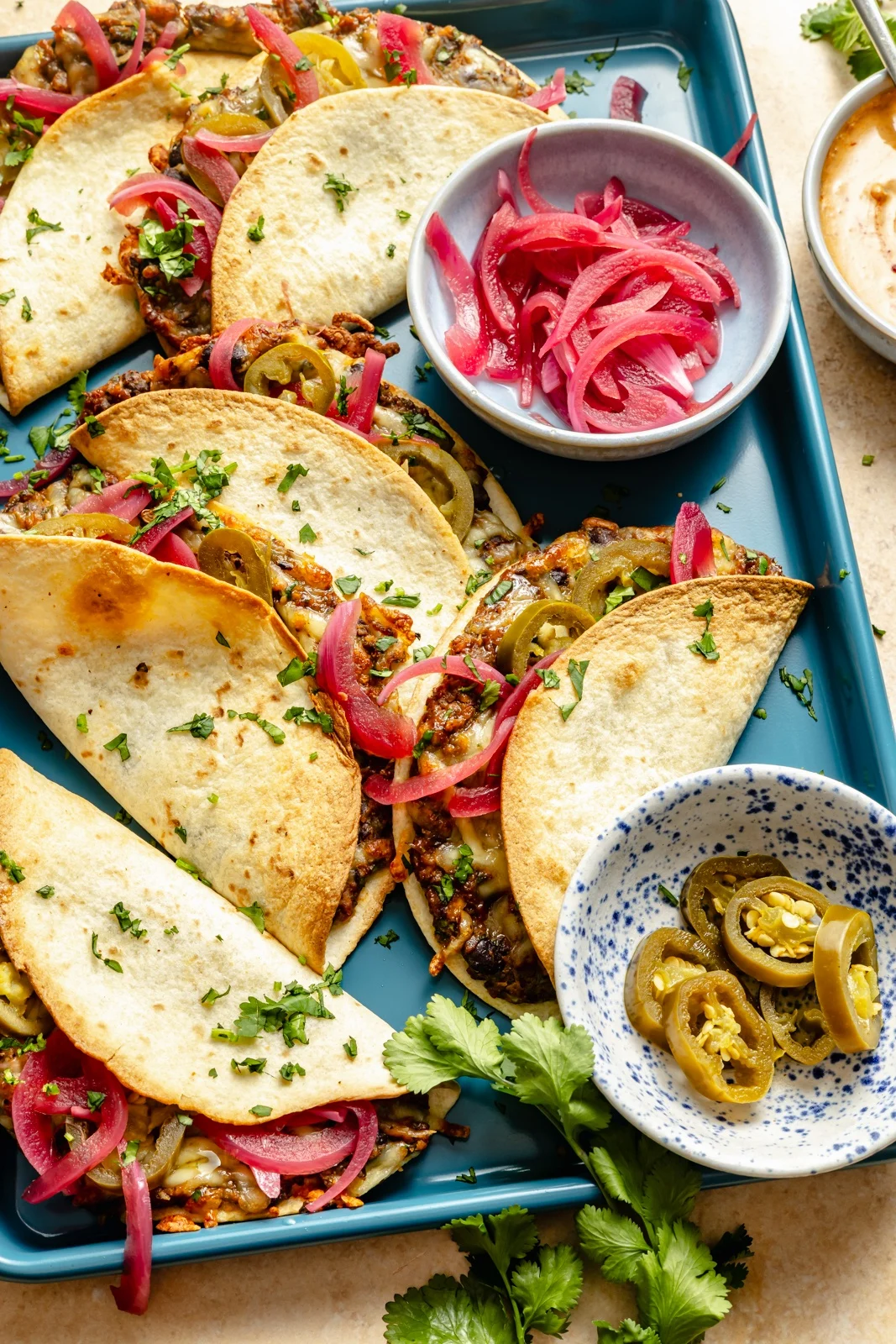
Bean and tomato tacos are quick enough for busy weeknights and inexpensive enough for a tight grocery budget. Warm canned beans with onions, cumin, chili powder, and garlic, then spoon them into tortillas. Add chopped tomatoes, cabbage, salsa, cheese, or plain yogurt. If you have leftover corn or roasted vegetables, they can become toppings too.
The secret to good budget tacos is building flavor into the beans. Rather than simply opening a can and putting it into a tortilla, season and warm the beans until they become flavorful and slightly creamy. You can mash some of them to create a thicker filling. Leftover beans can then be used in rice bowls or quesadillas, so there is very little waste. With a few inexpensive toppings, the meal can feel fresh even though the core ingredients are pantry staples.
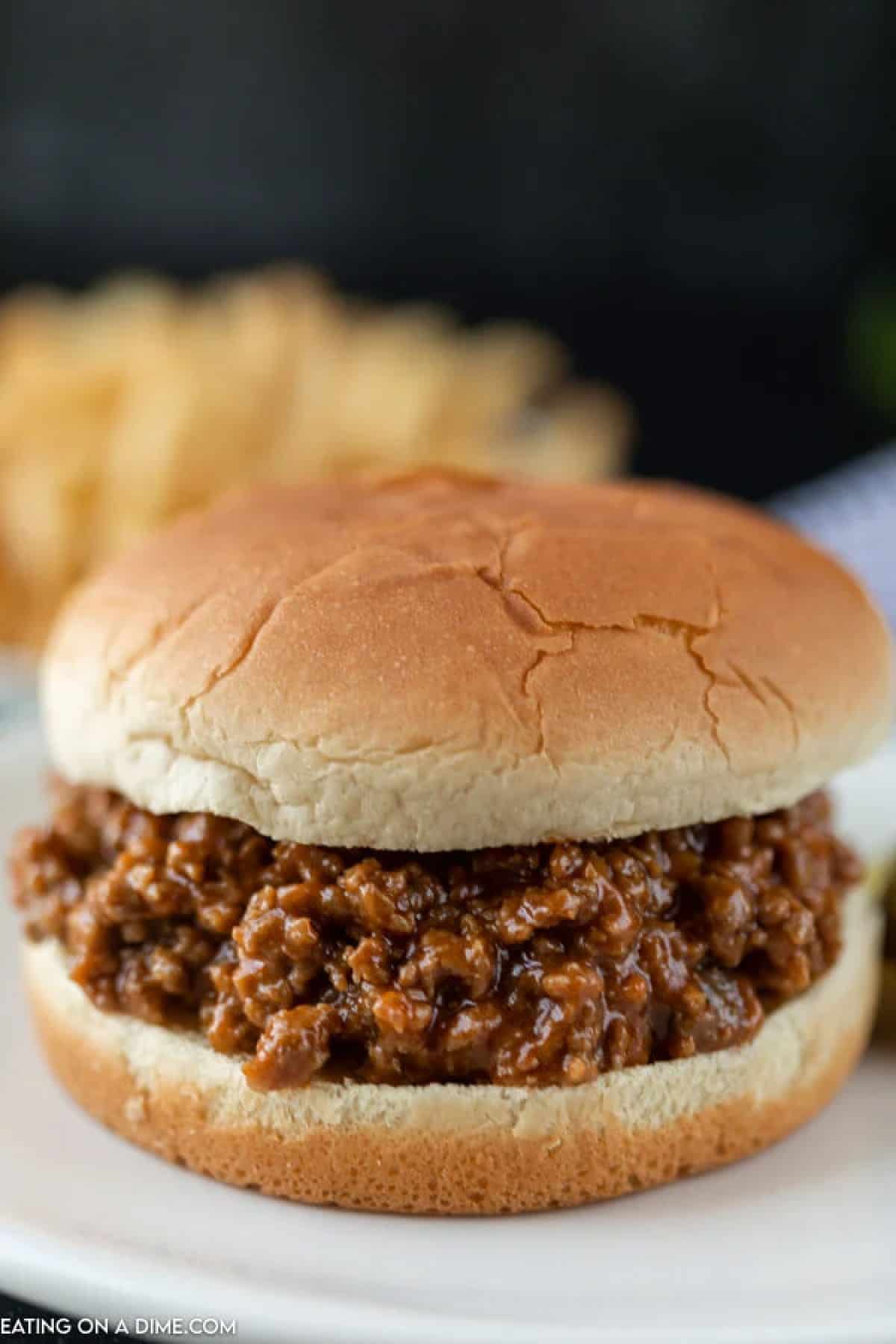
19. Homemade Sloppy Joes
Homemade sloppy joes can be much more budget-friendly when you stretch the meat with beans or lentils. Brown a modest amount of ground meat with onions, then add tomato sauce, ketchup, mustard, and seasonings. Stir in mashed beans or cooked lentils if you want to make the filling go further. Serve on hamburger buns, toast, or even baked potatoes.
Making the sauce yourself also means you can adjust the sweetness and seasoning based on what you already have. Add smoked paprika for depth, chili powder for heat, or vinegar for tang. If hamburger buns are not in the budget, ordinary sandwich bread works perfectly well. The leftovers can be served over rice or pasta, turning one dinner into another meal. That kind of flexibility is exactly what makes a recipe valuable when grocery money is limited.
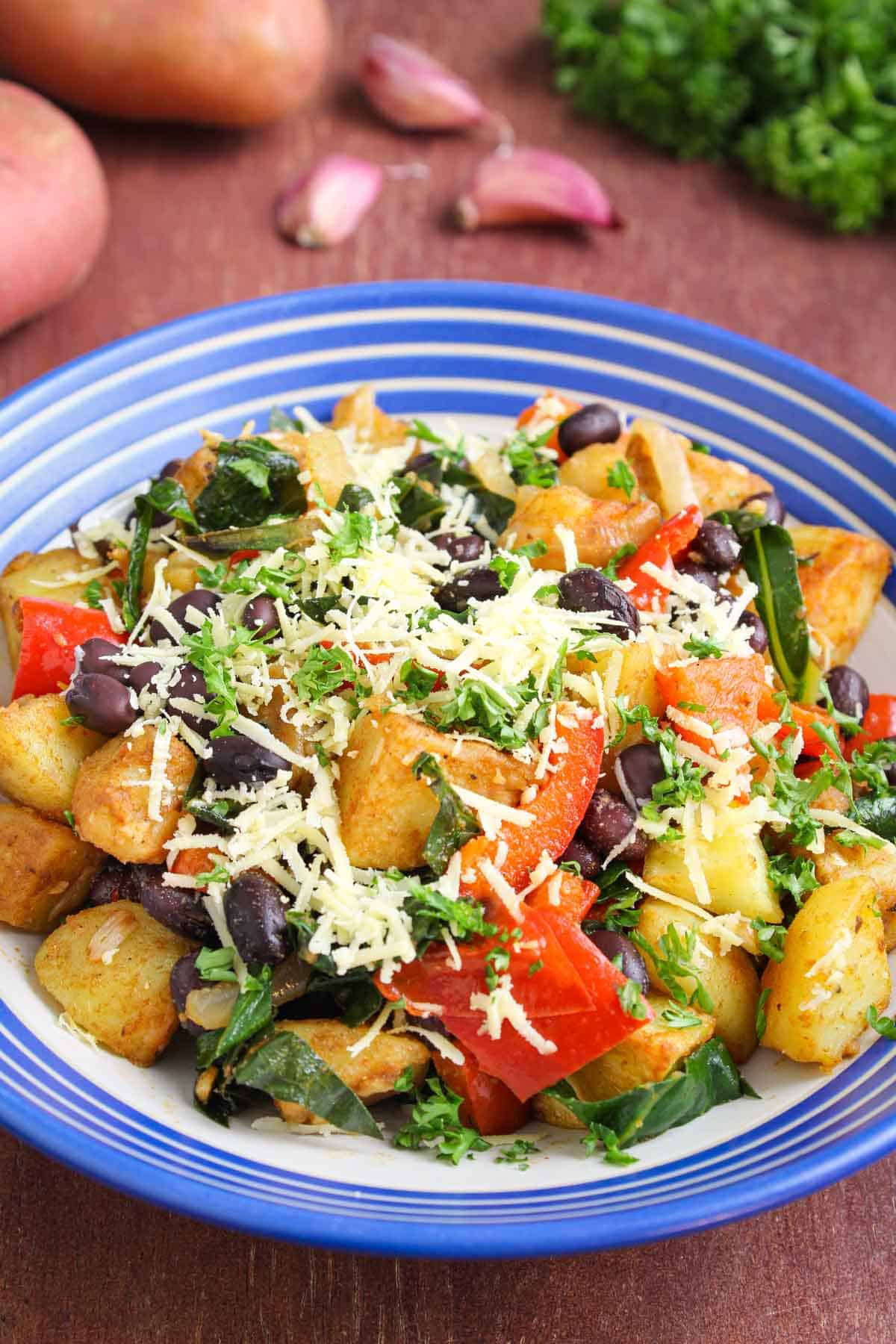
20. Potato and Bean Breakfast Hash
Potato and bean hash is another inexpensive meal that works at almost any time of day. Cook diced potatoes until crisp, then add onions, canned beans, and whatever vegetables you have. Top with fried or scrambled eggs if you want extra protein. Season with paprika, cumin, garlic, black pepper, or hot sauce.
The meal is especially useful at the end of the grocery week when fresh ingredients are running low. Potatoes and canned beans can stay available in your pantry while eggs provide an easy finishing ingredient. You can also use leftover cooked potatoes, which makes the meal even faster. Serve the hash alone, wrap it in tortillas, or place it on toast. A basic skillet like this can easily become a dependable “clean out the fridge” meal.
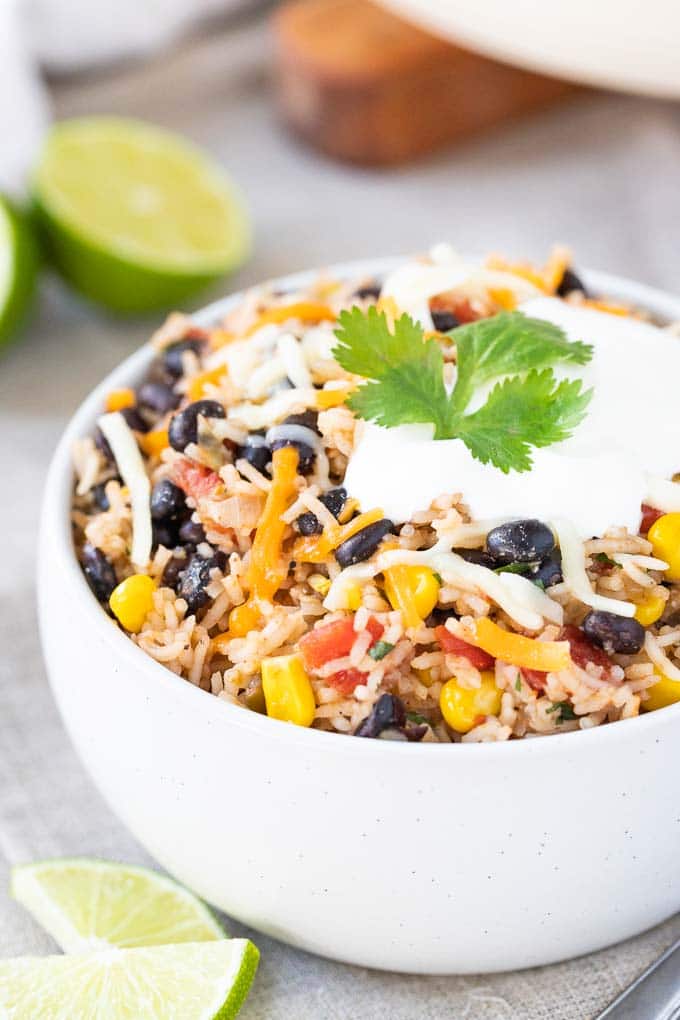
21. One-Pot Beans and Rice
One-pot beans and rice may be one of the most useful budget meals of all. Cook rice with beans, onions, tomatoes, broth, and seasonings until everything is tender and flavorful. You can add frozen corn, spinach, carrots, or peppers if you have them. Serve it as a main dish or use it as a filling for tortillas, baked potatoes, or bowls.
The recipe is inexpensive because the main ingredients are pantry staples that store well. It is also easy to scale up when you need several servings. USDA MyPlate budget guidance encourages using staples such as rice, canned or dried beans, frozen vegetables, and spices and herbs to create different meals from a small collection of ingredients. That is exactly what this recipe does. Once you learn the basic combination, you can change the spices and toppings to create completely different versions without buying an entirely new set of groceries.
How to Make Cheap Meals Taste Better
The difference between a disappointing budget meal and a delicious one is often seasoning rather than money. Keep a small group of versatile spices available, such as garlic powder, onion powder, paprika, black pepper, chili powder, cumin, Italian seasoning, and curry powder. Acids such as lemon juice, lime juice, vinegar, and tomatoes can also make inexpensive ingredients taste brighter. Sauces such as salsa, mustard, soy sauce, hot sauce, or a simple yogurt-based dressing can change the personality of a meal in seconds. USDA budget resources specifically recommend keeping dried herbs and spices available because they can add flavor to affordable staples without requiring expensive ingredients.
Texture matters too. If everything in your meal is soft, it can feel less exciting even when the flavor is good. Add toasted bread crumbs, crispy onions, roasted potatoes, crunchy cabbage, toasted seeds, or lightly browned vegetables when possible. Browning is another powerful technique because it creates deeper flavor without adding expensive ingredients. Even something as simple as cooking onions slowly until golden can make rice, beans, soup, or pasta taste much more complex. Think of seasonings and cooking techniques as your budget-friendly toolbox. You may not be buying expensive ingredients, but you can still make the food feel special.
Smart Grocery Shopping Tips
The cheapest meal is often the one you planned before you went shopping. Before making your grocery list, check your refrigerator, freezer, and pantry so you do not accidentally buy ingredients you already own. USDA MyPlate guidance recommends checking foods on hand, planning meals for the week, and writing a shopping list based on what is actually needed. This simple habit can prevent duplicate purchases and reduce the number of forgotten foods sitting at the back of the refrigerator. It also gives you a clearer idea of which meals are realistic for the week.
Shopping around sales can help, but do not let a discount convince you to buy food your household will not use. Compare the unit price rather than simply looking at the package price, and consider store brands when quality is comparable. Frozen vegetables can be useful when fresh produce is expensive or likely to spoil before you use it. Canned and dried beans, rice, oats, pasta, potatoes, and eggs can serve as inexpensive foundations for many meals. USDA resources also recommend buying certain staples in bulk when practical and using leftovers intentionally rather than treating them as an afterthought.
Another useful strategy is to plan ingredient overlaps. For example, buy onions, rice, beans, tortillas, tomatoes, eggs, and frozen vegetables, then build several different meals around those ingredients. Monday could be rice and beans, Tuesday could be quesadillas, Wednesday could be fried rice, Thursday could be potato hash, and Friday could be tacos. You are not eating the exact same meal every day, but you are using many of the same groceries. That is how a small grocery list can produce a surprisingly varied week.
Conclusion
Eating on a smaller grocery budget does not mean giving up satisfying food. The real secret is learning how to build meals around inexpensive ingredients that are versatile, filling, and easy to store. Rice, beans, lentils, potatoes, pasta, eggs, oats, frozen vegetables, canned tomatoes, and affordable proteins can become everything from comforting soups and skillet dinners to tacos, bowls, pasta, and breakfast meals. USDA guidance supports this general approach by encouraging meal planning, using a combination of fresh, frozen, and shelf-stable foods, shopping sales, buying practical staples, and repurposing leftovers.
Start with just a few recipes instead of trying to completely change the way you shop overnight. Pick meals that share ingredients, make enough for leftovers, and keep a few reliable pantry staples available. Once you get comfortable with these 21 cheap meal ideas, you will start seeing possibilities in ingredients you might previously have overlooked. A bag of potatoes is no longer just potatoes, and a can of beans is no longer just a can of beans. They become the building blocks of affordable, creative meals that can help your grocery budget go further.
FAQs
1. What are the cheapest meals to make on a budget?
Some of the most affordable meals are usually built around rice, beans, lentils, pasta, potatoes, eggs, oats, and seasonal or frozen vegetables. Meals such as beans and rice, lentil soup, potato and egg hash, vegetable fried rice, and pasta with tomato sauce can produce several servings from relatively inexpensive ingredients. The exact cost depends on local prices, package sizes, brands, and what you already have at home.
2. How can I make cheap meals more filling?
Combine an inexpensive carbohydrate with a protein source and vegetables. Rice with beans, potatoes with eggs, pasta with lentils, or oats with peanut butter and banana are simple examples. Adding beans, lentils, vegetables, or whole grains can increase the volume of a meal without requiring a large amount of expensive meat.
3. Are frozen vegetables good for budget meals?
Yes. Frozen vegetables can be especially useful when fresh produce is expensive or when you frequently struggle with food waste. USDA MyPlate guidance notes that frozen and canned fruits and vegetables can be affordable options and recommends keeping frozen produce available for meals.
4. How can I save money while grocery shopping?
Plan meals before shopping, check your pantry and refrigerator first, compare unit prices, use sales strategically, and choose ingredients that can be used in multiple recipes. Buying foods with longer storage lives, such as rice, oats, pasta, beans, potatoes, and frozen vegetables, can also give you more flexibility. Most importantly, try to use leftovers rather than allowing them to become food waste.
5. Can cheap meals still be healthy?
Yes. A budget meal can include vegetables, fruits, grains, protein foods, and dairy or suitable alternatives without relying on expensive specialty products. The USDA’s MyPlate resources provide budget-focused guidance for combining affordable foods from different food groups. Focus on variety, reasonable portions, and ingredients that provide useful nutrition while fitting your household’s budget and preferences.
Try More Recipes
29 Easy Dinner Casseroles for Cozy Family Meals
21 Easy Chicken and Rice Recipes for Delicious Family Dinners
31 Easy Fall Dinner Recipes for Cozy Family Meals This Autumn
31 Easy Chicken Pasta Recipes for Quick Family Dinners
31 Easy Camping Dinner Ideas That Make Outdoor Cooking Delicious
29 Easy Summer Dinner Recipes That Are Flavor Packed
25+ Healthy Spring Dinner Recipes for Fresh Flavorful Meals
37 Cheap High Protein Crockpot Meals for Easy Dinner Recipes