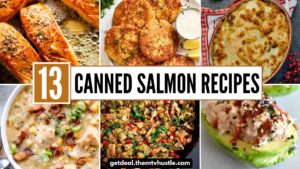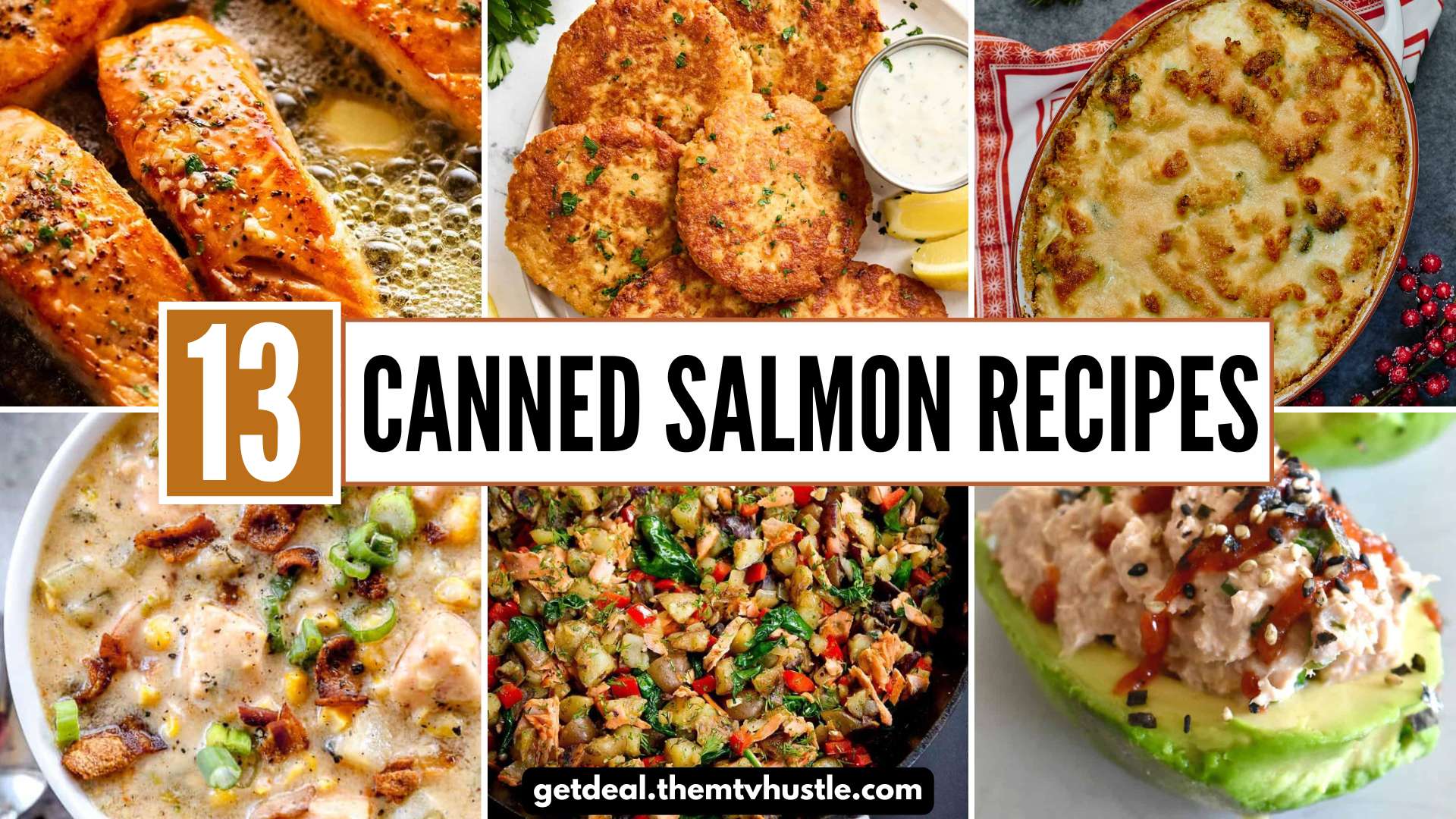
When we talk about quick, nutritious, and budget-friendly meals, canned salmon often sits quietly in the pantry waiting to shine. Yet this humble ingredient has the potential to transform everyday meals into protein-rich, flavor-packed dishes that rival many fresh seafood recipes. Whether we are preparing a fast weeknight dinner, a healthy lunch bowl, or a comforting casserole, canned salmon proves incredibly versatile.
One of the greatest advantages of canned salmon recipes is convenience. Unlike fresh fish that requires careful storage and immediate use, canned salmon is ready whenever we need it. We simply open a can and instantly have access to high-quality seafood loaded with omega-3 fatty acids, protein, and essential nutrients. This convenience allows us to create satisfying meals in minutes without sacrificing flavor or nutrition.
Another reason canned salmon deserves attention is its culinary flexibility. It blends beautifully with a wide range of ingredients—creamy pasta sauces, crisp salads, fluffy rice, roasted vegetables, or warm bread. From crispy salmon patties to Mediterranean-inspired stuffed peppers, the possibilities extend far beyond basic sandwiches. Many professional chefs even recommend canned salmon as a smart pantry staple because of its reliable texture and rich taste.
Cost is another compelling factor. Compared with fresh salmon fillets, canned varieties provide a more affordable way to enjoy premium seafood. Families can create multiple hearty meals from just a few cans, making it ideal for meal prep, busy households, and students looking for nutritious options on a budget.
In this guide, we explore 13 irresistible canned salmon recipes that prove pantry cooking can be both exciting and delicious. Each recipe focuses on simple ingredients, bold flavors, and practical preparation methods. By the time we finish, canned salmon will no longer feel like a backup ingredient—it will become one of the most valuable tools in our everyday kitchen.
Why Canned Salmon Deserves a Place in Your Pantry
A well-stocked pantry can make the difference between ordering takeout and preparing a satisfying homemade meal. Among the many staples available, canned salmon stands out as one of the most underrated ingredients. It offers a unique combination of convenience, nutrition, flavor, and versatility that few pantry foods can match.
First, canned salmon provides an impressive balance of protein and healthy fats. A typical 3.5-ounce serving contains around 20–25 grams of high-quality protein, making it an excellent option for building muscle, maintaining energy, and staying full longer. At the same time, salmon is naturally rich in omega-3 fatty acids, nutrients widely associated with heart health, brain function, and reduced inflammation. According to nutrition researchers, regular consumption of omega-3-rich foods may support cardiovascular health and cognitive performance.
Another benefit is the long shelf life. Fresh seafood often requires immediate preparation, but canned salmon can last for years when stored properly. This means we always have access to nutritious seafood even when grocery runs are delayed or fresh fish is unavailable. For people living in inland regions where seafood may be expensive or difficult to find, canned salmon becomes an invaluable alternative.
Flavor is another surprising advantage. Many people assume canned fish lacks depth, yet salmon retains a rich, slightly buttery taste that pairs well with herbs, citrus, garlic, creamy sauces, and roasted vegetables. Because it is already cooked during the canning process, the fish flakes easily and absorbs seasonings beautifully. This makes it perfect for patties, pasta dishes, grain bowls, salads, and casseroles.
From a sustainability perspective, canned salmon often comes from responsibly managed fisheries, particularly wild-caught Pacific salmon varieties. Many brands focus on environmentally responsible harvesting practices, making canned salmon a smart choice for consumers who care about sustainable seafood.
When we combine nutrition, affordability, convenience, and flavor, canned salmon becomes far more than a backup ingredient. It transforms into a powerful pantry staple capable of creating dozens of satisfying meals with minimal effort.
Nutritional Benefits of Canned Salmon
The nutritional profile of salmon explains why it is widely considered one of the healthiest protein sources available. Even when preserved in a can, salmon retains most of the nutrients that make fresh fish so valuable. In fact, in some cases canned salmon provides additional benefits that fresh fillets may not offer.
One of the most notable nutrients in salmon is omega-3 fatty acids, particularly EPA and DHA. These healthy fats play a crucial role in supporting heart health, reducing inflammation, and promoting brain function. Numerous nutritional studies suggest that diets rich in omega-3 fatty acids may help reduce the risk of cardiovascular disease and support overall wellness.
Protein content is another standout feature. A single serving of canned salmon typically provides over 20 grams of complete protein, meaning it contains all essential amino acids the body needs. This makes it ideal for athletes, busy professionals, and anyone seeking satisfying meals that help maintain energy levels throughout the day.
Canned salmon is also an exceptional source of vitamin D, a nutrient that many people struggle to obtain through diet alone. Vitamin D plays an important role in bone health, immune support, and calcium absorption. Few natural foods contain significant amounts of this vitamin, which makes salmon particularly valuable.
Another unique benefit comes from the soft edible bones often included in canned salmon. While some people initially hesitate when they notice these bones, they are completely safe to eat and incredibly rich in calcium and phosphorus. Once mixed into dishes like patties or casseroles, they become nearly undetectable while providing an impressive boost of bone-supporting minerals.
The following table highlights the approximate nutritional value of canned salmon per 100 grams:
| Nutrient | Amount | Key Benefit |
|---|---|---|
| Protein | ~25 g | Muscle repair and satiety |
| Omega-3 Fatty Acids | ~2.3 g | Heart and brain health |
| Vitamin D | ~526 IU | Bone strength and immunity |
| Calcium | ~240 mg | Bone and teeth health |
| Vitamin B12 | ~4.8 µg | Energy and nerve function |
This nutritional density means that even simple canned salmon recipes can deliver powerful health benefits. Whether we add it to salads, rice bowls, or warm comfort foods, canned salmon offers a convenient way to incorporate premium nutrition into everyday meals.
How to Choose the Best Canned Salmon for Cooking
Not all canned salmon products are created equal. Selecting the right variety can significantly influence the flavor, texture, and overall quality of the recipes we prepare. Understanding a few key factors helps ensure we always choose the best option for our kitchen.
One of the first things to check is whether the salmon is wild-caught or farm-raised. Many canned salmon brands feature wild Pacific varieties such as sockeye, pink, or coho salmon. Wild-caught salmon typically offers a deeper flavor and firmer texture, making it ideal for dishes like salmon patties or pasta recipes. Sockeye salmon, in particular, is known for its rich color and robust taste, while pink salmon tends to be milder and more affordable.
Another consideration is whether the salmon is packed in water, oil, or brine. Water-packed salmon is often preferred for recipes because it allows us to control the seasoning and fat content more precisely. Oil-packed varieties can add richness but may slightly alter the flavor profile of lighter dishes such as salads or wraps.
Texture also varies between brands. Some cans contain skin and bones, while others are labeled boneless and skinless. The traditional version with bones may sound intimidating, but those bones soften during the canning process and contribute valuable calcium. For recipes like casseroles, patties, and chowders, they blend seamlessly into the mixture.
When shopping, we should also look for labels indicating sustainable fishing practices or certifications. Organizations such as the Marine Stewardship Council (MSC) often certify seafood products that meet responsible environmental standards.
A quick checklist when buying canned salmon includes:
- Wild-caught varieties for stronger flavor
- Water-packed options for cooking flexibility
- MSC or sustainability certifications when available
- Sockeye or coho salmon for premium taste
Choosing high-quality canned salmon ensures every dish—from simple toast toppings to elaborate casseroles—delivers the best possible flavor and nutritional value. With the right product in our pantry, creating memorable seafood meals becomes surprisingly easy.
Essential Tips for Cooking with Canned Salmon
Cooking with canned salmon is incredibly simple, but a few smart techniques can dramatically improve the flavor, texture, and presentation of your meals. While canned salmon is already fully cooked and ready to eat straight from the can, treating it with a little culinary care allows it to shine in a wide range of dishes—from hearty comfort food to light and refreshing meals.
The first step is properly draining the salmon. Most canned salmon is packed in water or natural juices, and draining removes excess liquid that could make recipes soggy. Once drained, gently flake the salmon with a fork. This process separates the fish into tender pieces, making it easier to mix into recipes like salmon patties, pasta sauces, salads, and rice dishes.
Many cans include soft edible bones and skin, which are perfectly safe and highly nutritious. If you prefer a smoother texture, you can remove them, but many cooks simply mash the bones lightly into the mixture. They dissolve easily and provide an impressive boost of calcium and minerals without affecting flavor.
Seasoning is another key factor. Canned salmon already has a mild savory taste, but it truly comes alive when paired with bold ingredients such as:
- Fresh lemon juice
- Garlic and onion
- Dill, parsley, or chives
- Black pepper and smoked paprika
- Olive oil or butter
These ingredients highlight salmon’s natural richness while keeping dishes vibrant and balanced. Citrus and herbs, in particular, help brighten the flavor and prevent recipes from tasting overly heavy.
Texture contrast also plays a huge role in creating satisfying meals. Pairing the soft flakes of salmon with crispy breadcrumbs, crunchy vegetables, toasted bread, or roasted potatoes adds dimension to each bite. This is why dishes like salmon patties or salmon toast are so popular—they combine creamy, flaky fish with a crisp outer layer.
Another useful trick is not overcooking the salmon. Since it is already cooked during the canning process, it only needs to be warmed through when added to hot recipes. Overheating can cause the fish to become dry and lose its delicate texture.
Professional chefs often emphasize the importance of balance when cooking with canned salmon. Rich elements like cheese or cream should be offset with fresh herbs, vegetables, or acidity. This approach keeps dishes flavorful without becoming overwhelming.
By mastering these simple techniques, we can transform canned salmon into meals that taste fresh, sophisticated, and deeply satisfying, proving that pantry ingredients can rival restaurant-quality cooking.
13 Easy and Flavorful Canned Salmon Recipes
The true beauty of canned salmon lies in its culinary versatility. With just a single can, we can prepare everything from quick lunches to hearty dinners packed with nutrition and flavor. These recipes showcase how easily canned salmon adapts to different cuisines, cooking styles, and ingredients already found in most kitchens.
From crispy comfort foods to healthy bowls and vibrant salads, each recipe delivers a balance of protein, texture, and bold seasoning. Whether cooking for a busy family weeknight or preparing a meal for one, these recipes ensure canned salmon becomes a reliable go-to ingredient.
Classic Crispy Salmon Patties
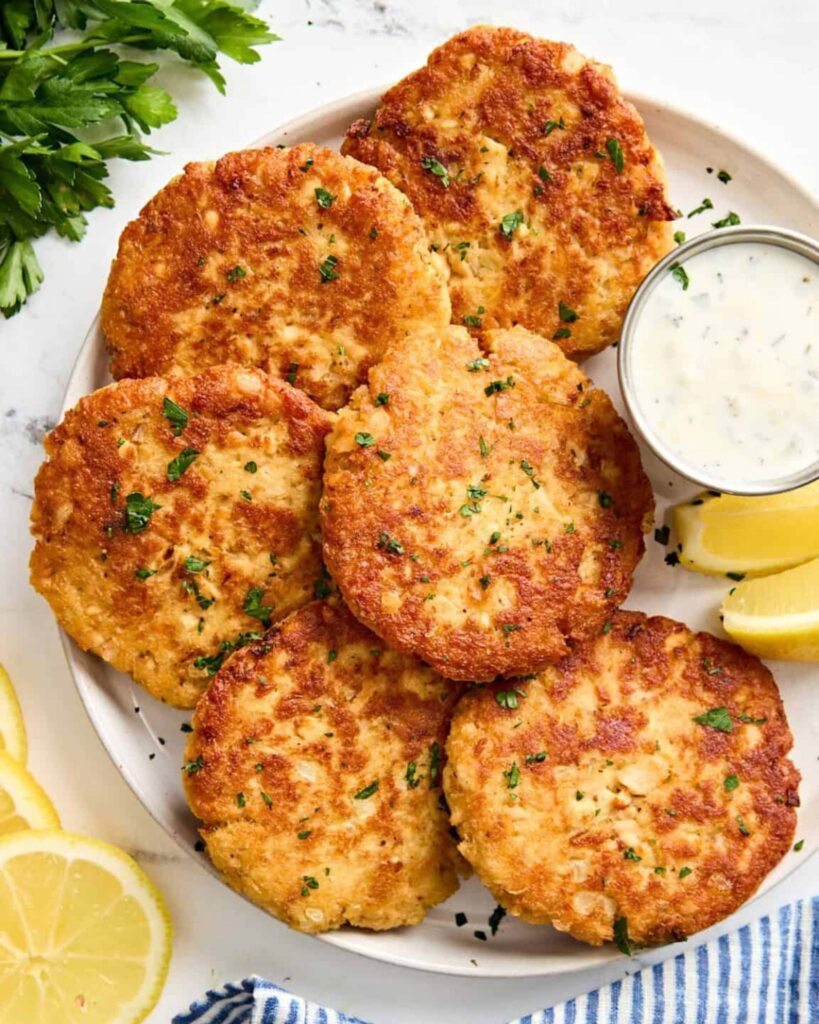
Get the Classic Crispy Salmon Patties Recipe.
Few dishes showcase canned salmon better than classic salmon patties. Crispy on the outside and tender on the inside, these savory patties are beloved for their comforting flavor and simple preparation. They transform humble pantry ingredients into a meal that feels hearty, satisfying, and nostalgic.
To prepare salmon patties, we start by placing drained canned salmon in a mixing bowl and flaking it gently with a fork. Next, we combine it with breadcrumbs, finely chopped onion, an egg, and a handful of fresh herbs such as parsley or dill. A squeeze of lemon juice and a dash of black pepper help brighten the flavor while complementing the natural richness of the fish.
The mixture should be moist but firm enough to shape into small round patties. Once formed, the patties are lightly coated with breadcrumbs or flour to create a golden crispy crust when fried. Cooking them in a skillet with a little olive oil or butter develops a delicious caramelized surface that contrasts beautifully with the soft salmon interior.
One of the reasons salmon patties remain so popular is their incredible adaptability. Some cooks add grated potatoes or mashed potatoes for extra heartiness, while others mix in diced celery or bell peppers for added crunch. A small amount of Dijon mustard or Worcestershire sauce can also enhance the savory depth of the mixture.
Serving salmon patties with creamy sauces or fresh sides elevates the dish even further. Popular pairings include:
- Lemon garlic yogurt sauce
- Tartar sauce
- Fresh green salad
- Roasted vegetables
- Steamed rice or mashed potatoes
The result is a meal that feels both rustic and refined. Crispy salmon patties demonstrate how canned salmon can easily become the centerpiece of a flavorful, satisfying dinner with minimal effort and maximum taste.
Creamy Salmon Pasta with Garlic and Parmesan
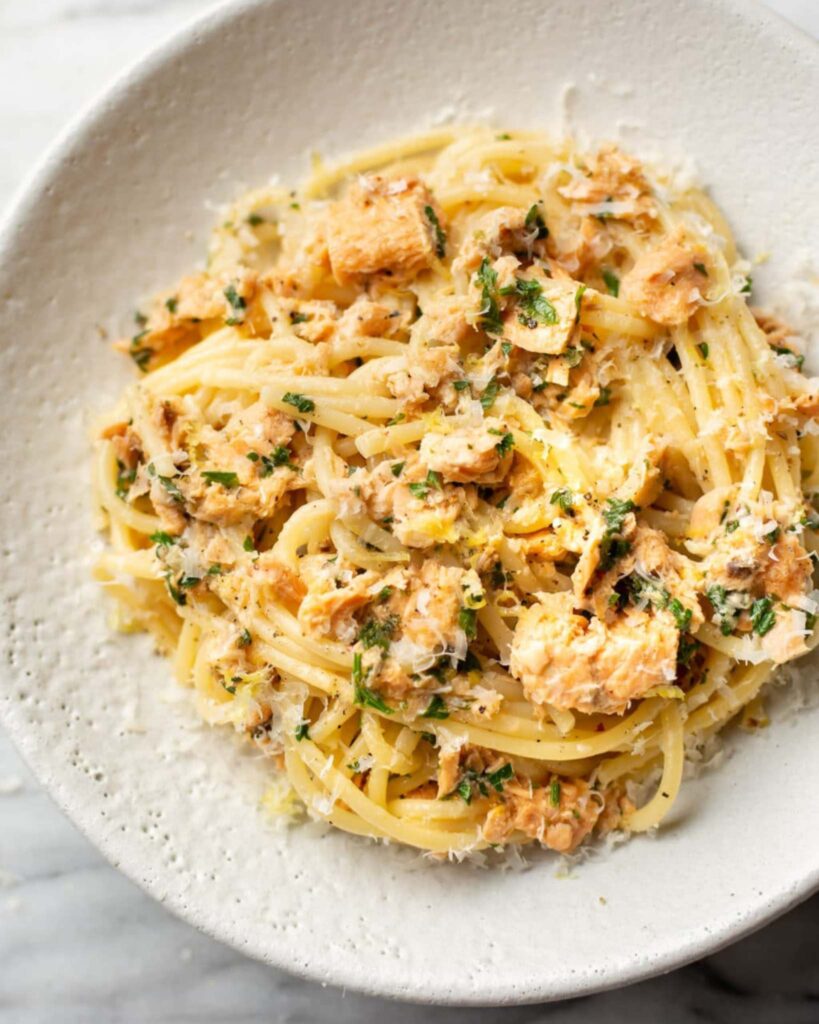
Get the Creamy Salmon Pasta with Garlic and Parmesan Recipe.
For a comforting yet elegant meal, creamy salmon pasta delivers incredible flavor while remaining surprisingly easy to prepare. This dish combines flaky canned salmon with silky pasta, aromatic garlic, and a rich Parmesan cream sauce that coats every strand perfectly.
The process begins with cooking your favorite pasta—such as fettuccine, linguine, or penne—in salted boiling water until al dente. Meanwhile, a flavorful base is created by sautéing minced garlic and finely chopped shallots in butter or olive oil. As the aromatics soften, the kitchen quickly fills with a warm, inviting fragrance that sets the stage for the entire dish.
Next comes the creamy element. Heavy cream or half-and-half is added to the pan and gently simmered until it thickens slightly. Freshly grated Parmesan cheese melts into the sauce, creating a smooth and savory coating with a subtle nutty flavor. At this stage, drained canned salmon is folded into the sauce. The fish breaks apart into delicate flakes that distribute evenly throughout the pasta.
A squeeze of lemon juice brightens the richness while fresh herbs like dill, parsley, or chives introduce a refreshing contrast. The cooked pasta is then tossed directly into the sauce, allowing it to absorb every layer of flavor.
One reason this dish works so well is the natural compatibility between salmon and creamy sauces. The fish adds depth without overwhelming the dish, while the pasta provides comforting structure. For added texture, many cooks finish the plate with toasted breadcrumbs or crushed walnuts.
This recipe also adapts beautifully to different ingredients. Spinach, peas, sun-dried tomatoes, or mushrooms can be stirred into the sauce to create a more complex and colorful meal. With minimal preparation time and maximum flavor payoff, creamy salmon pasta proves that pantry ingredients can produce restaurant-quality comfort food.
Fresh Salmon Salad with Lemon Dill Dressing
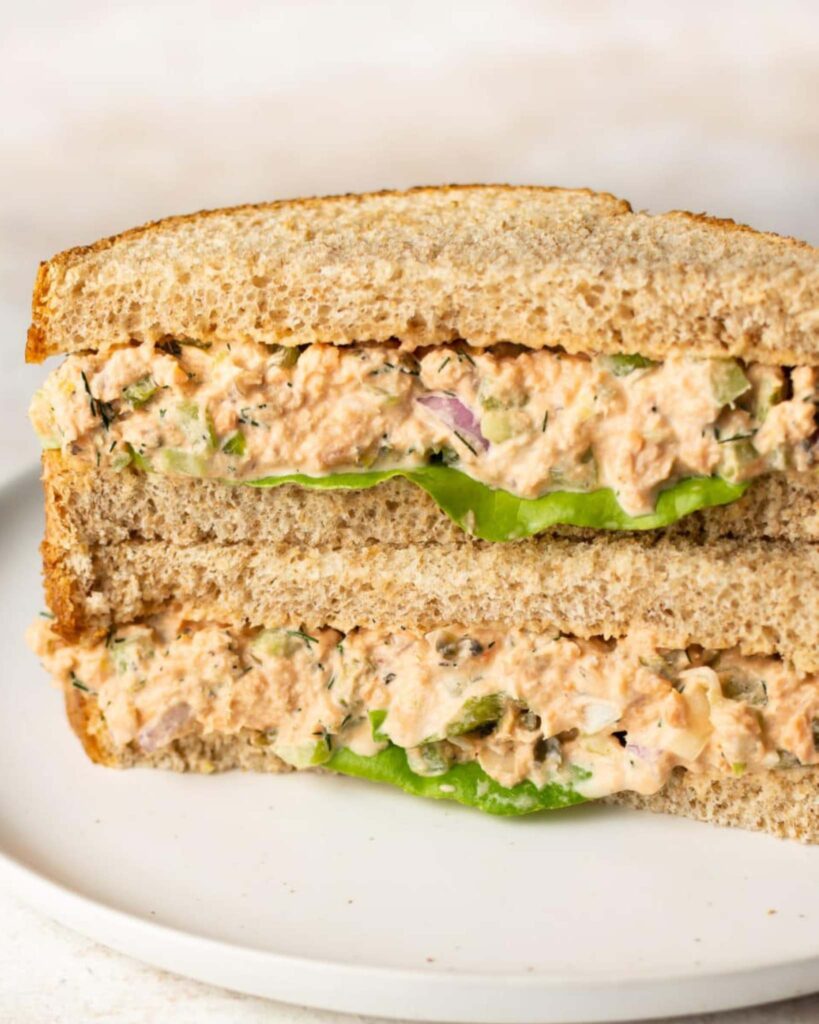
Get the Fresh Salmon Salad with Lemon Dill Dressing Recipe.
When we want something lighter yet still satisfying, a fresh salmon salad with lemon dill dressing delivers vibrant flavors and impressive nutrition. This recipe highlights the natural taste of salmon while pairing it with crisp vegetables and a bright, herb-forward dressing.
The foundation of the salad begins with mixed greens such as arugula, spinach, or romaine lettuce. These greens provide freshness and a slightly peppery flavor that balances the richness of the salmon. On top of the greens, we add colorful vegetables—sliced cucumbers, cherry tomatoes, shredded carrots, and thin red onion. Each ingredient contributes a different texture, creating a salad that feels lively and dynamic rather than flat.
Canned salmon is then gently flaked over the vegetables. Because it is already cooked, it blends seamlessly into the salad without requiring additional preparation. Its natural oils help enhance the overall flavor of the dish while adding satisfying protein.
The real highlight is the lemon dill dressing, which ties everything together beautifully. This simple dressing is made by whisking together olive oil, fresh lemon juice, Dijon mustard, honey, minced garlic, and finely chopped dill. The citrus provides brightness, the honey adds subtle sweetness, and the herbs bring an aromatic freshness that complements the salmon perfectly.
To elevate the salad even further, we can include additional ingredients such as avocado slices, toasted almonds, or crumbled feta cheese. These additions provide richness and crunch while keeping the meal balanced and nutritious.
The final result is a dish that feels refreshing yet substantial. Unlike heavy meals that leave us sluggish, this salmon salad offers clean flavors, vibrant textures, and lasting energy. It works equally well as a quick lunch, a light dinner, or even a meal-prep option for busy weeks.
Quick Salmon Fried Rice
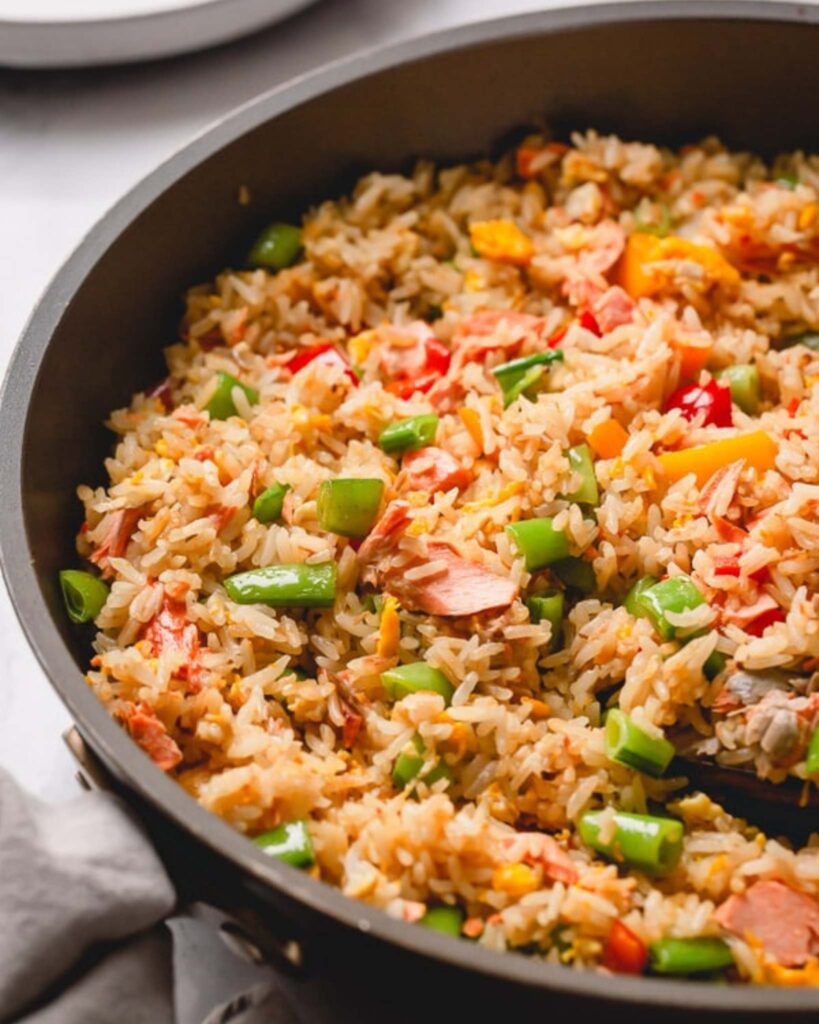
Get the Quick Salmon Fried Rice Recipe.
Salmon fried rice is one of the fastest and most satisfying meals you can make with canned salmon. Start by heating a little oil in a pan and sauté chopped garlic, onion, and mixed vegetables such as carrots and peas. Add cooked rice and stir well so the grains separate and absorb the flavors. Mix in flaked canned salmon, soy sauce, and a small drizzle of sesame oil. Cook everything together for a few minutes and finish with chopped green onions for a simple, flavorful dish.
Healthy Salmon Avocado Wrap
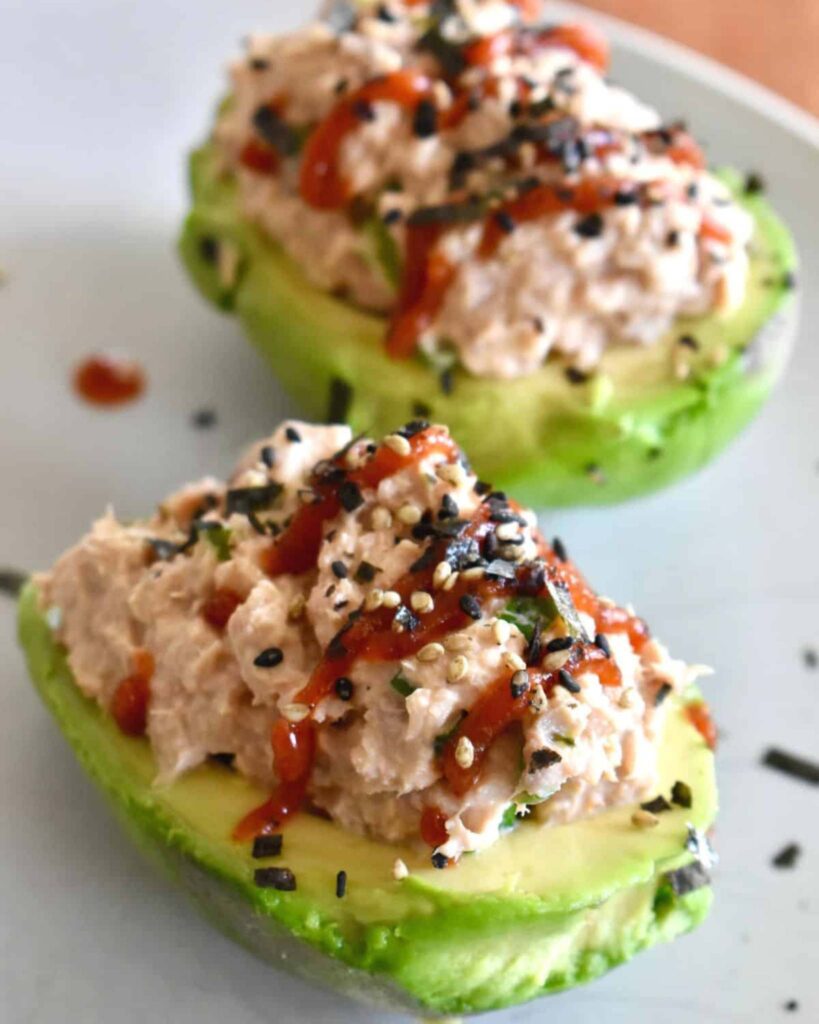
Get the Healthy Salmon Avocado Wrap Recipe.
A salmon avocado wrap is perfect when you want a quick and healthy lunch. Spread a thin layer of mayonnaise or Greek yogurt on a soft tortilla. Add flaked canned salmon, sliced avocado, lettuce, tomatoes, and a squeeze of fresh lemon juice. Sprinkle a little salt and pepper to enhance the flavor. Roll the tortilla tightly, slice it in half, and enjoy a fresh, protein-packed wrap.
Cheesy Baked Salmon Casserole
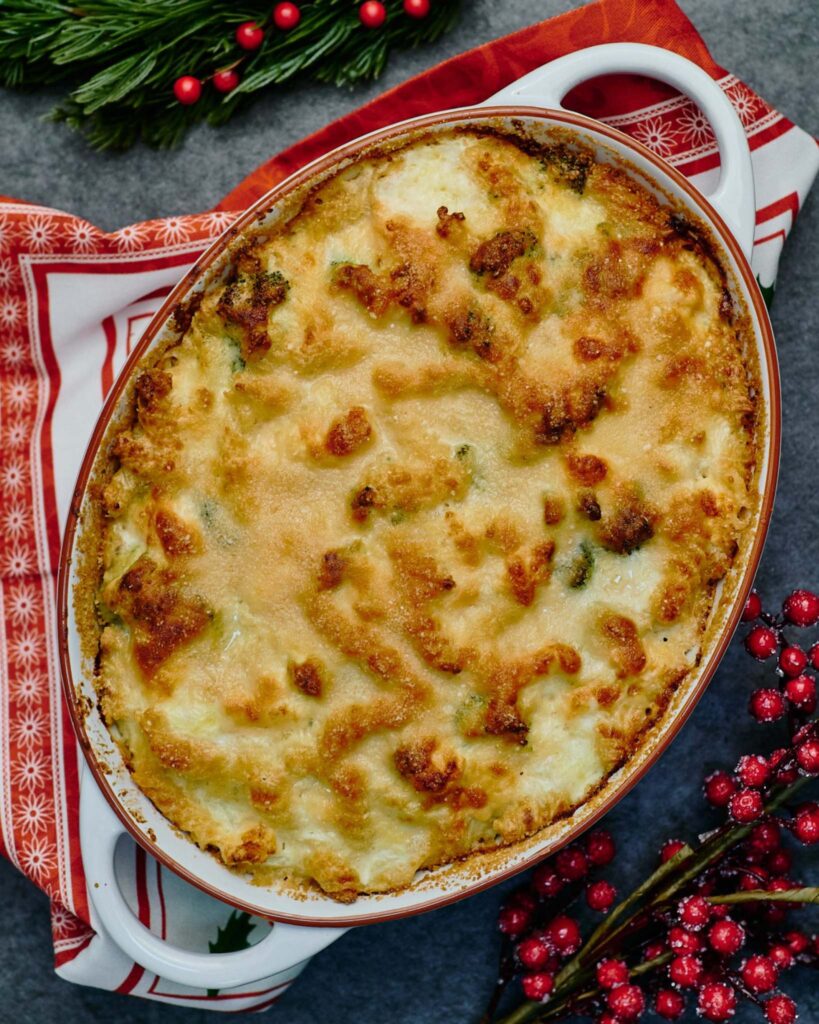
Get the Cheesy Baked Salmon Casserole Recipe.
This cheesy salmon casserole is a comforting meal that the whole family can enjoy. In a bowl, mix cooked pasta, canned salmon, cream of mushroom soup, and a handful of vegetables like peas or corn. Transfer the mixture into a baking dish and sprinkle shredded cheese and breadcrumbs on top. Bake in the oven at 180°C (350°F) for about 20 minutes until golden and bubbly. The result is a warm, creamy dish that feels hearty and satisfying.
Salmon and Potato Hash
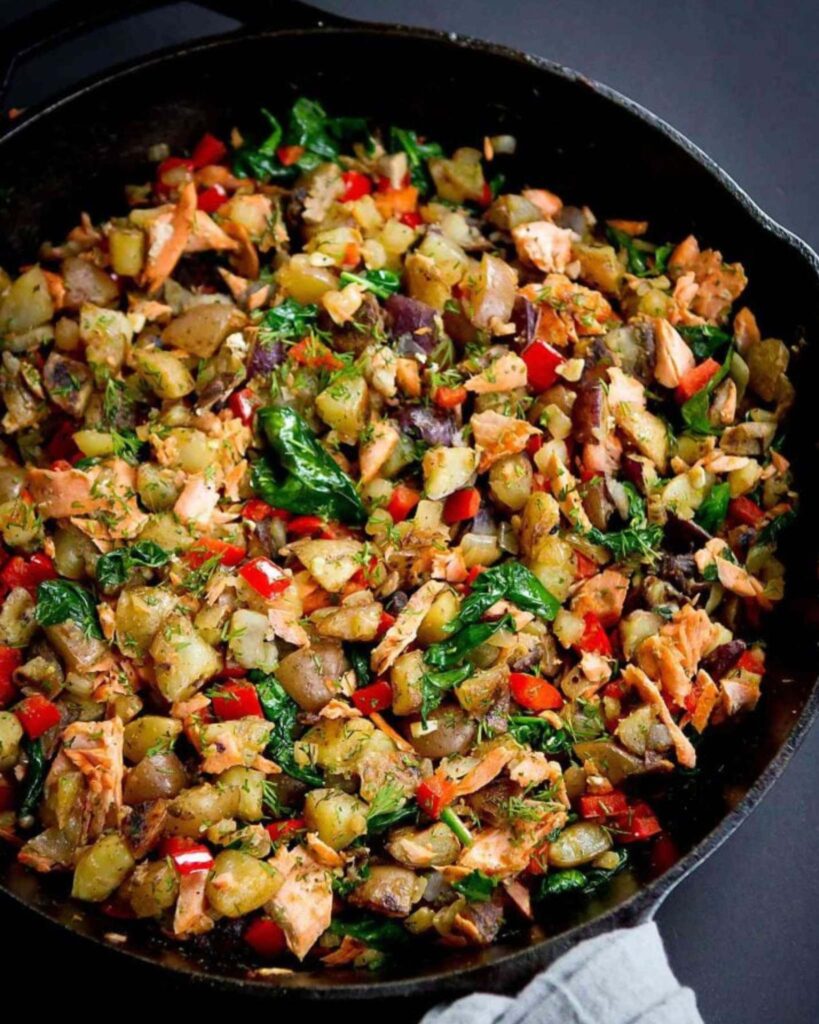
Get the Salmon and Potato Hash Recipe.
Salmon and potato hash is a delicious breakfast or brunch option. Dice cooked potatoes and fry them in a skillet with olive oil until they become crispy. Add chopped onions and cook until soft and fragrant. Stir in canned salmon and cook for a few minutes so the flavors blend together. Finish with fresh herbs and serve with a fried egg on top for a filling meal.
Mediterranean Salmon Stuffed Peppers
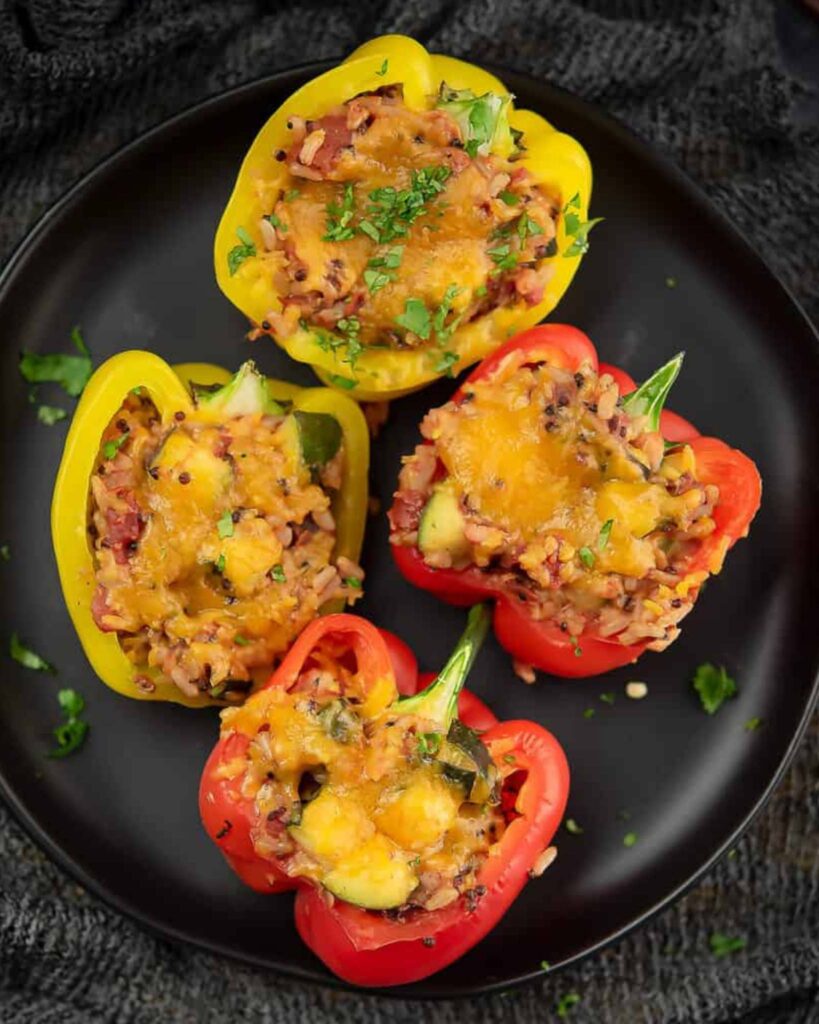
Get the Mediterranean Salmon Stuffed Peppers Recipe.
These Mediterranean-style stuffed peppers are colorful and full of flavor. Cut bell peppers in half and remove the seeds. In a bowl, mix canned salmon with cooked rice, diced tomatoes, olives, garlic, and herbs like oregano and parsley. Fill each pepper half with the mixture and place them in a baking dish. Bake for about 25 minutes until the peppers become tender and slightly roasted.
Spicy Salmon Tacos with Lime Slaw
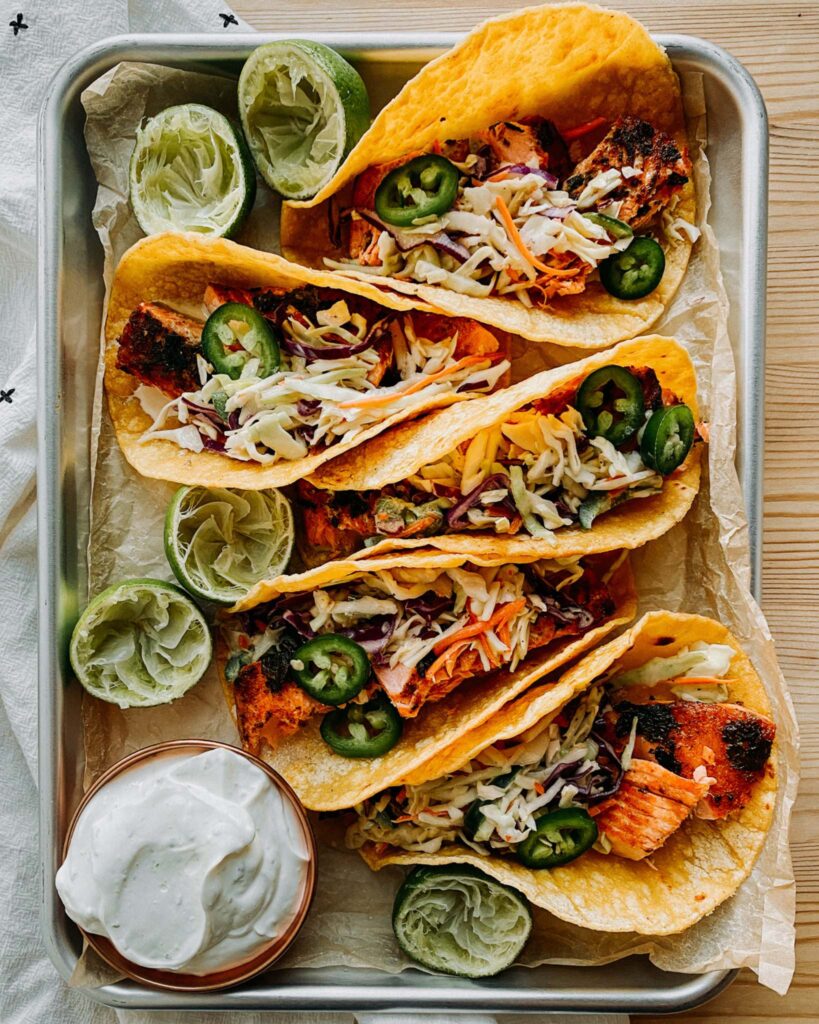
Get the Spicy Salmon Tacos with Lime Slaw Recipe.
Spicy salmon tacos are a fun and flavorful dinner idea. In a bowl, mix canned salmon with chili powder, paprika, lime juice, and a little olive oil. Warm some soft tortillas and fill them with the seasoned salmon mixture. Top with crunchy cabbage slaw, avocado slices, and a drizzle of sour cream or yogurt sauce. The combination of spice, citrus, and fresh vegetables makes every bite exciting.
Salmon Chowder with Corn and Herbs
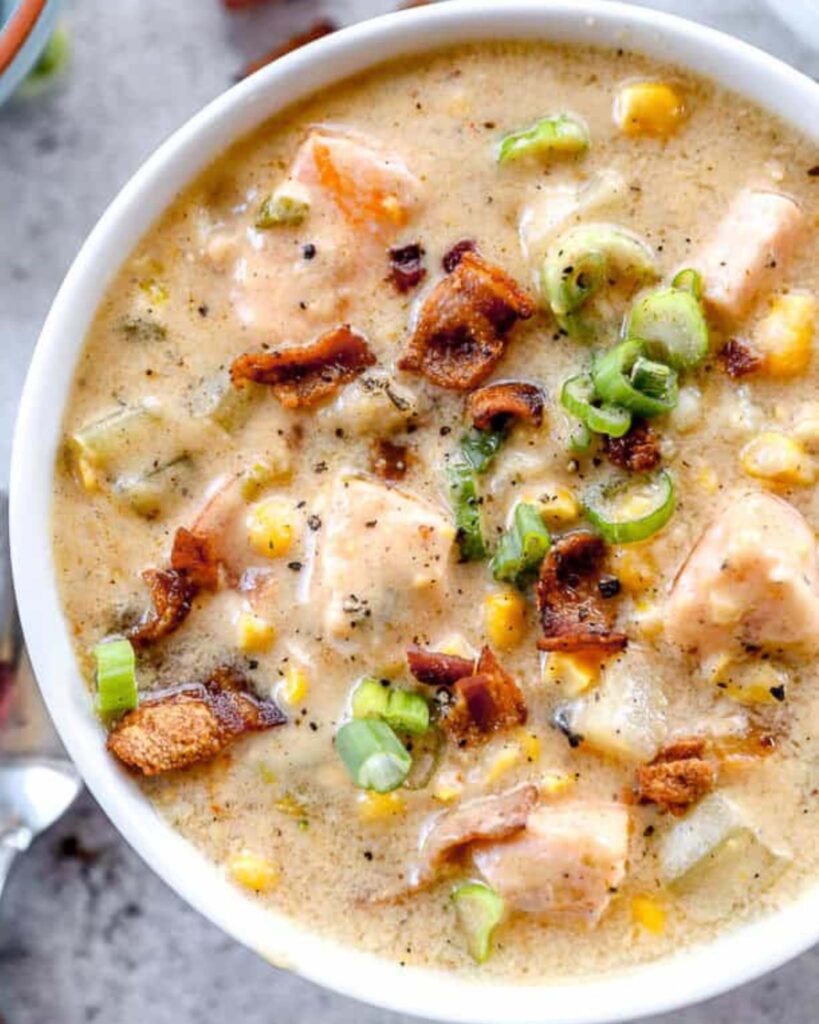
Get the Salmon Chowder with Corn and Herbs Recipe.
A warm bowl of salmon chowder is perfect for cozy evenings. Start by cooking diced onions, celery, and potatoes in a pot with butter. Pour in vegetable or seafood broth and let the vegetables simmer until tender. Add canned salmon, sweet corn, and a splash of cream for richness. Season with salt, pepper, and fresh herbs like dill or parsley before serving.
Garlic Butter Salmon Toasts
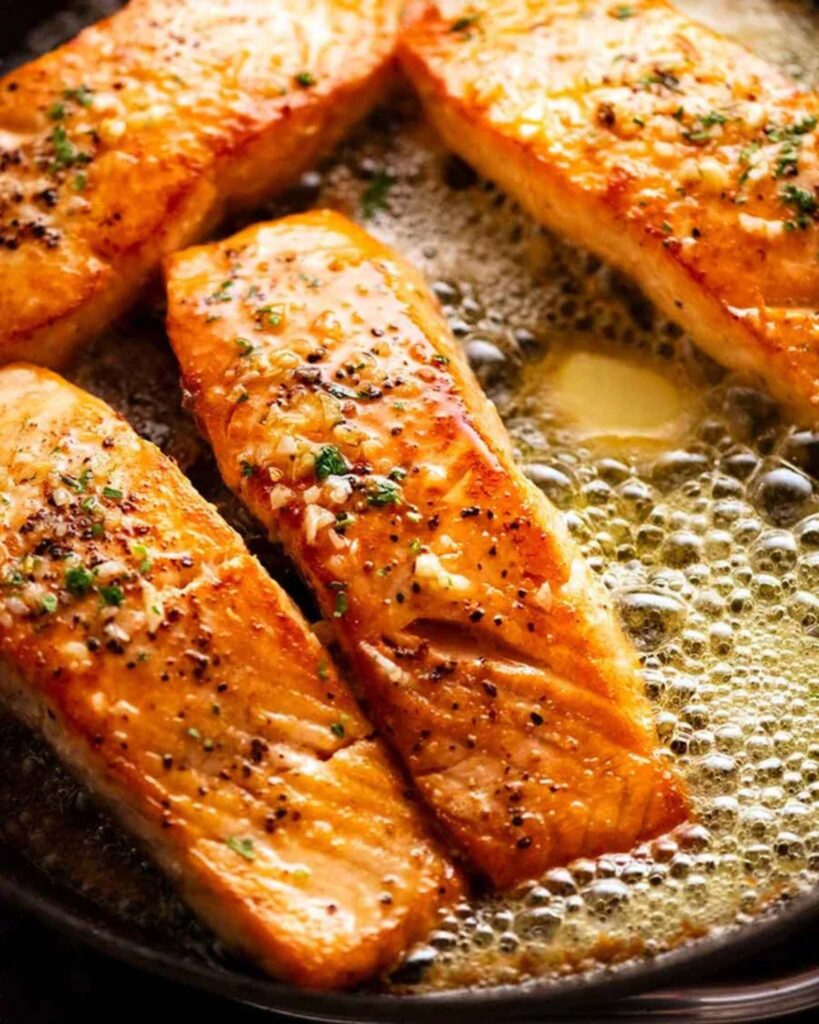
Get the Garlic Butter Salmon Toasts Recipe.
Garlic butter salmon toasts are simple yet incredibly tasty. Toast slices of crusty bread until golden and crispy. Spread garlic butter or cream cheese on each slice for extra flavor. Top with flaked canned salmon, a squeeze of lemon juice, and a sprinkle of fresh herbs. These toasts work great as a quick snack, appetizer, or light lunch.
Protein-Packed Salmon Quinoa Bowl
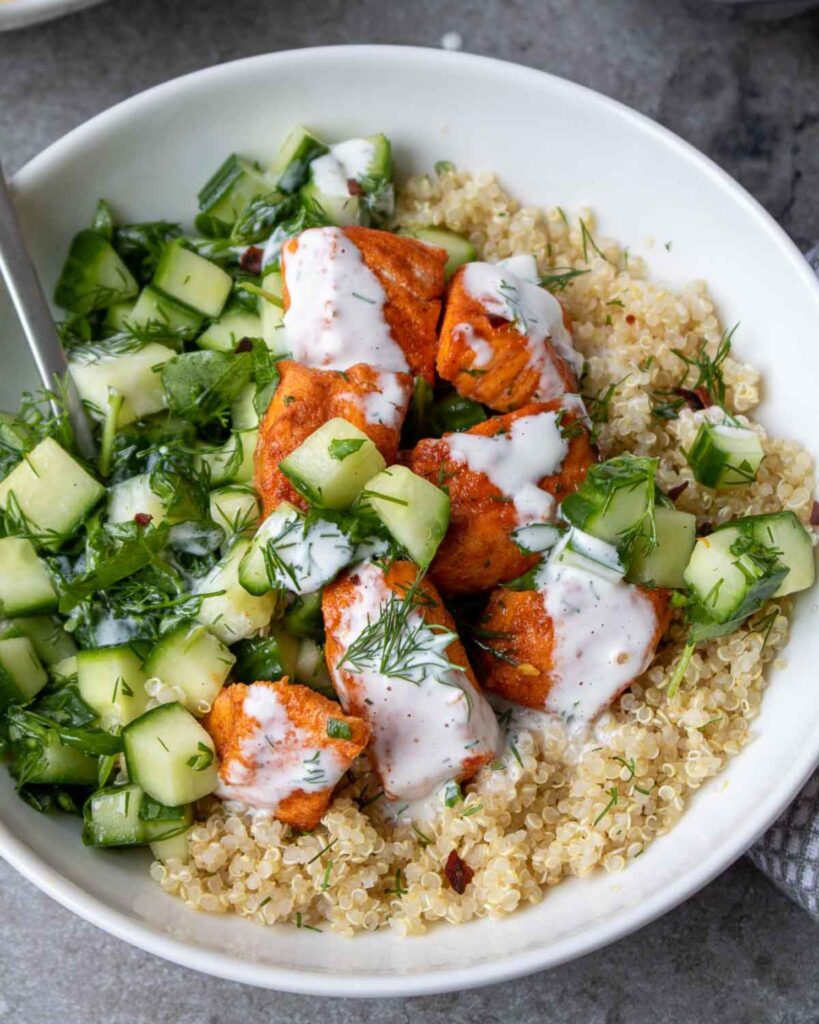
Get the Protein-Packed Salmon Quinoa Bowl Recipe.
A salmon quinoa bowl is a nutritious and balanced meal. Start with a base of cooked quinoa in a bowl. Add canned salmon, sliced cucumbers, shredded carrots, and avocado. Drizzle with olive oil and lemon juice or your favorite dressing. Mix everything together to create a healthy bowl full of protein, fiber, and fresh flavor.
Simple Salmon Omelet for Breakfast
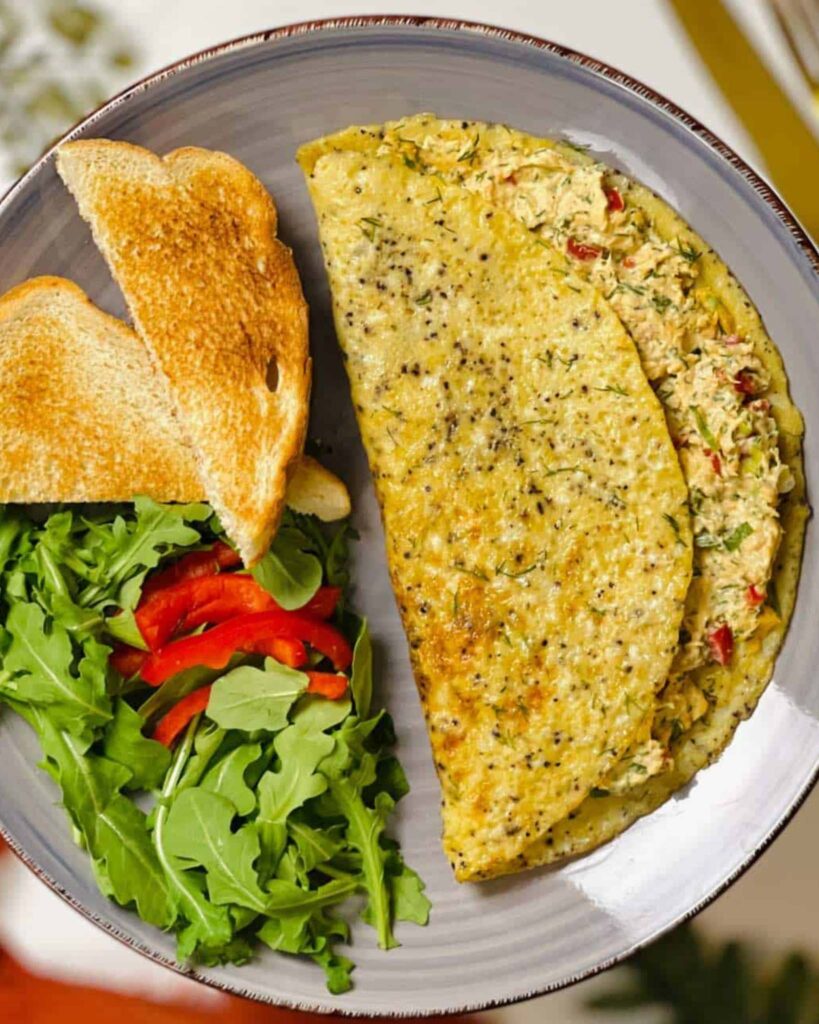
Get the Simple Salmon Omelet for Breakfast Recipe.
A salmon omelet is a fantastic way to start the day. Beat two or three eggs in a bowl and pour them into a heated non-stick pan. Once the eggs begin to set, add flaked canned salmon, chopped spinach, and a little cheese. Fold the omelet in half and cook until the cheese melts. Serve warm with toast for a quick, nutritious breakfast.
Conclusion
Canned salmon is one of the most versatile and affordable ingredients you can keep in your kitchen. It provides excellent nutrition, rich flavor, and incredible convenience for everyday cooking. With just a few simple ingredients, you can transform canned salmon into meals ranging from crispy patties and creamy pasta to healthy salads and hearty casseroles.
The recipes shared above show how easily canned salmon adapts to different cuisines and cooking styles. Whether you want a quick lunch, comforting dinner, or high-protein breakfast, canned salmon makes it possible without complicated preparation. Keeping a few cans in your pantry ensures you always have the foundation for a delicious, nutritious meal ready in minutes.
FAQs
1. Is canned salmon already cooked?
Yes, canned salmon is fully cooked during the canning process. You can eat it straight from the can or add it to recipes that only require reheating.
2. Do I need to remove the bones in canned salmon?
The bones in canned salmon are soft and edible. They provide extra calcium and usually blend into dishes easily when mixed.
3. How long does canned salmon last in the pantry?
Unopened canned salmon can last 3–5 years when stored in a cool, dry place.
4. Can I use canned salmon instead of fresh salmon in recipes?
Yes, canned salmon works well in many recipes such as patties, pasta, salads, casseroles, and sandwiches.
5. What are the healthiest ways to eat canned salmon?
Healthy options include salmon salads, quinoa bowls, wraps, and vegetable dishes, which combine salmon with fresh and nutritious ingredients.
Related Article:
26 Air Fryer Salmon Recipes You Need to Try
Easy Honey Butter Garlic Glazed Salmon Bites
27 Sheet Pan Meals for Busy Weeknights with Minimum Cleanup
21 Toothpick Appetizers That Turn Simple Bites Into Crowd Pleasers