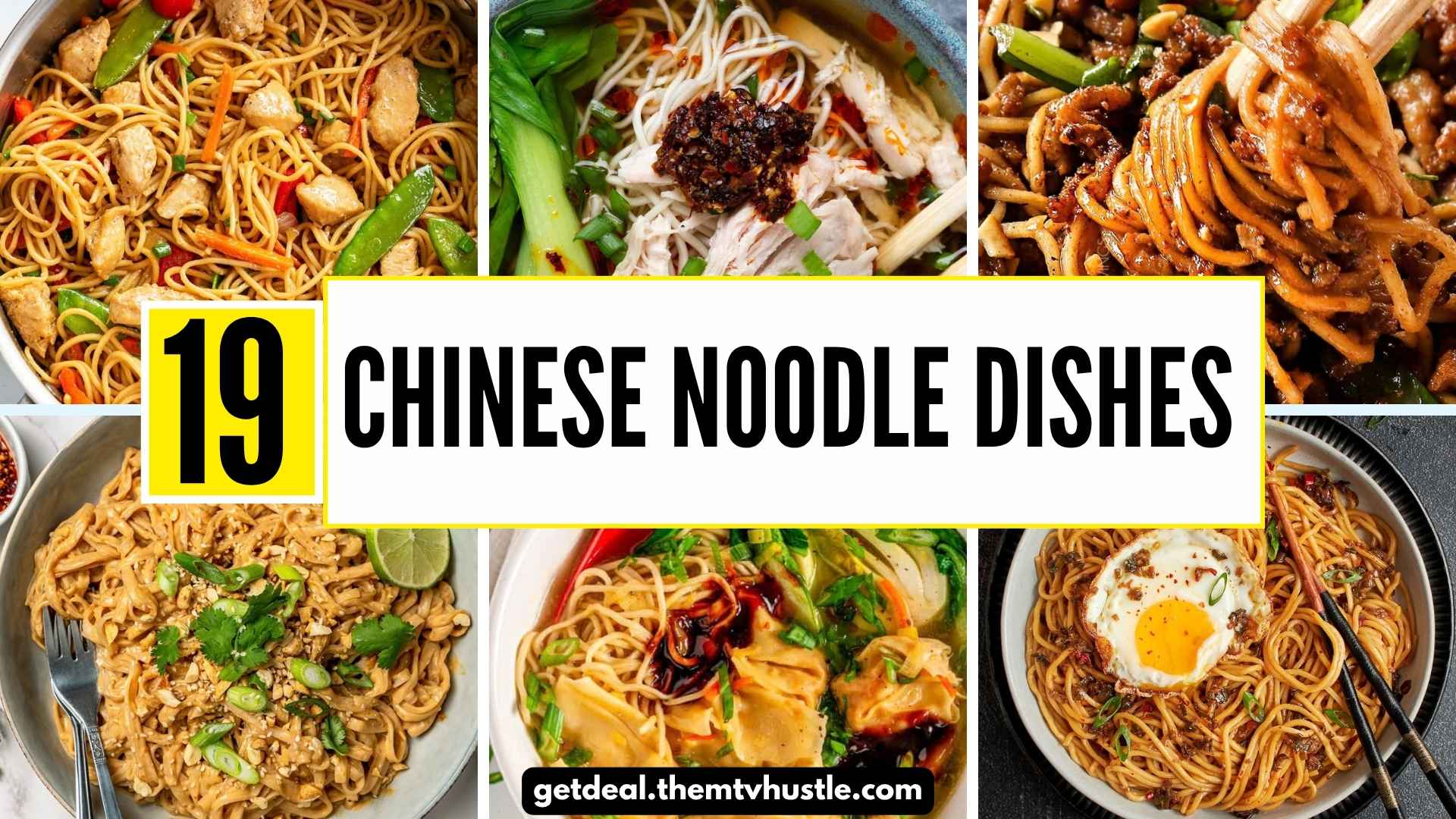
Finding dinner that a picky eater will actually eat can sometimes feel like solving a puzzle with half the pieces missing. You make something you think everyone will love, put it on the table, and suddenly the vegetables are “too green,” the sauce is “too much,” or the noodles are somehow the wrong shape. That is exactly why Chinese noodle dishes for picky eaters can be such a useful addition to your family dinner rotation. Noodles have a familiar shape, a soft or chewy texture, and a mild base that can be changed easily depending on what your family enjoys.
The best part is that you do not have to make every noodle dish spicy, heavily seasoned, or loaded with vegetables. Start with flavors your picky eater already recognizes, such as chicken, a little soy sauce, eggs, or a lightly sweet sauce. Then you can slowly add other ingredients as their comfort level grows. Think of noodles as a blank canvas rather than a finished painting. You can keep them wonderfully simple for one person while making the rest of the meal more exciting for everyone else.
Why Chinese Noodles Work So Well for Picky Eaters
Chinese noodle dishes offer something many picky eaters appreciate: control. You can change the protein, vegetables, sauce, noodle type, and even the texture without completely changing the meal. If your child likes plain noodles, you can begin there and serve the sauce separately. If chicken is the only protein they currently accept, chicken can become the familiar ingredient that makes the rest of the dish feel less intimidating. This flexibility is one reason noodle dishes work so well for families with different preferences at the same table.
Another advantage is texture. Some children strongly prefer soft foods, while others want something slightly chewy or crispy. Lo mein provides soft, slippery noodles, while pan-fried noodles offer crisp edges and a different eating experience. Soupy noodles provide another option for children who prefer foods that are moist and easy to chew. Current noodle recipe collections include everything from chicken lo mein and chow mein to sesame noodles and beef chow fun, showing just how much variety exists within this one category of food.
What Makes a Noodle Dish Kid-Friendly?
A kid-friendly noodle recipe does not necessarily mean it has to be bland. Instead, it should be easy to customize. Mild seasoning, familiar ingredients, manageable textures, and simple presentation can make a big difference. A picky eater may happily eat noodles with a small amount of sauce but reject the exact same noodles if they are covered with mushrooms, onions, and large pieces of broccoli.
Try separating ingredients when possible. Serve noodles on one side, chicken on another, and vegetables in a small portion rather than mixing everything together. You can also let children choose between two sauces or decide whether they want vegetables included. Giving them small choices can make a new meal feel less like a challenge and more like something they helped create.
1. Classic Chicken Lo Mein
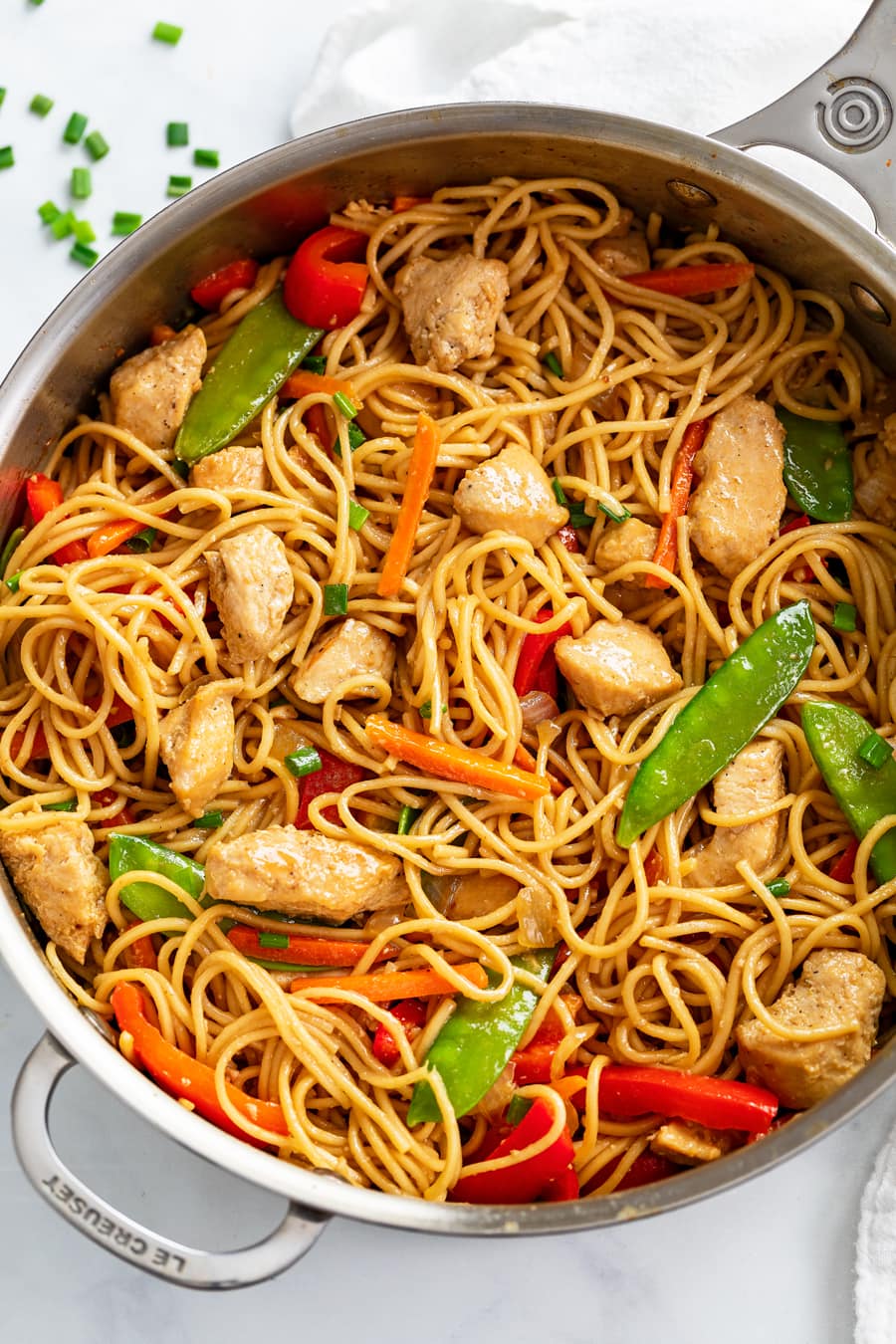
Chicken lo mein is one of the easiest Chinese noodle dishes to introduce to a picky eater because the basic idea is wonderfully familiar: soft noodles, tender chicken, and a savory sauce. You can keep the sauce light and slightly sweet instead of making it strongly flavored. Thinly sliced chicken works particularly well because it cooks quickly and can be cut into small pieces that are easy for children to manage. If vegetables are difficult, start with one familiar vegetable such as shredded carrot and add more later.
The noodles are really the star here. Soft wheat or egg noodles hold the sauce nicely without becoming overwhelmingly wet. A simple combination of soy sauce, a touch of sesame oil, and a little sweetness can create plenty of flavor without needing a long ingredient list. You can also make the dish less saucy for children who prefer their noodles almost plain. Once your picky eater accepts the basic version, gradually experiment with peas, carrots, corn, bok choy, or finely sliced bell peppers.
2. Simple Vegetable Lo Mein
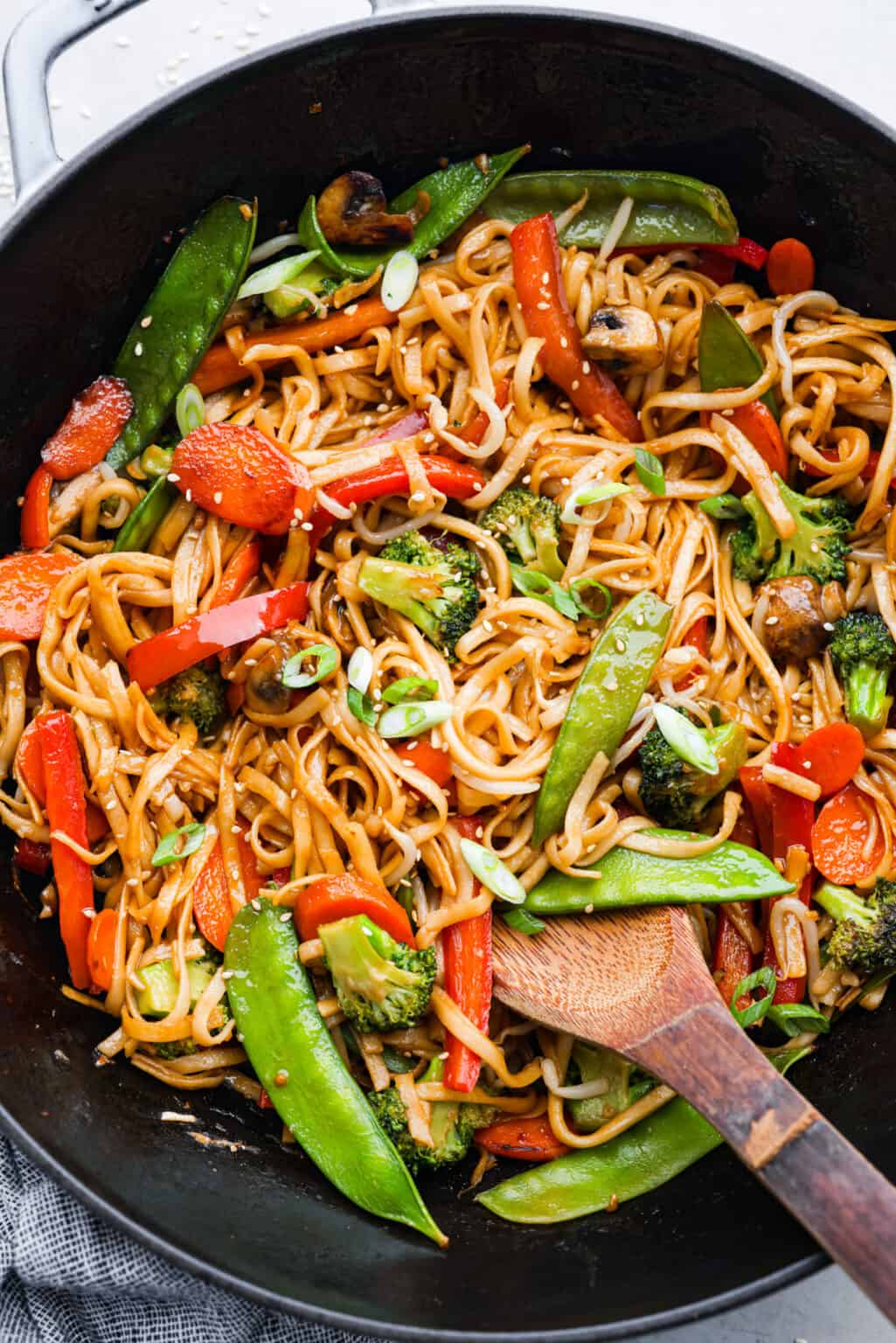
Vegetable lo mein can sound like a difficult sell to a picky eater, but the trick is not to turn the plate into a mountain of vegetables. Instead, make noodles the main ingredient and treat vegetables as small additions. Carrots are often a good starting point because they have a naturally sweet flavor and can be sliced into thin strips. You can also use very finely chopped vegetables so that they blend naturally with the noodles.
For children who dislike cooked vegetables, try changing the texture rather than simply insisting they eat more. Lightly stir-fried vegetables can remain a little crisp instead of becoming soft and mushy. Another approach is to serve the vegetables separately and allow your child to decide whether they want to add them. The goal is to create familiarity rather than turn dinner into a negotiation. Once the noodle base is accepted, vegetables can become much easier to introduce.
3. Mild Chicken Chow Mein
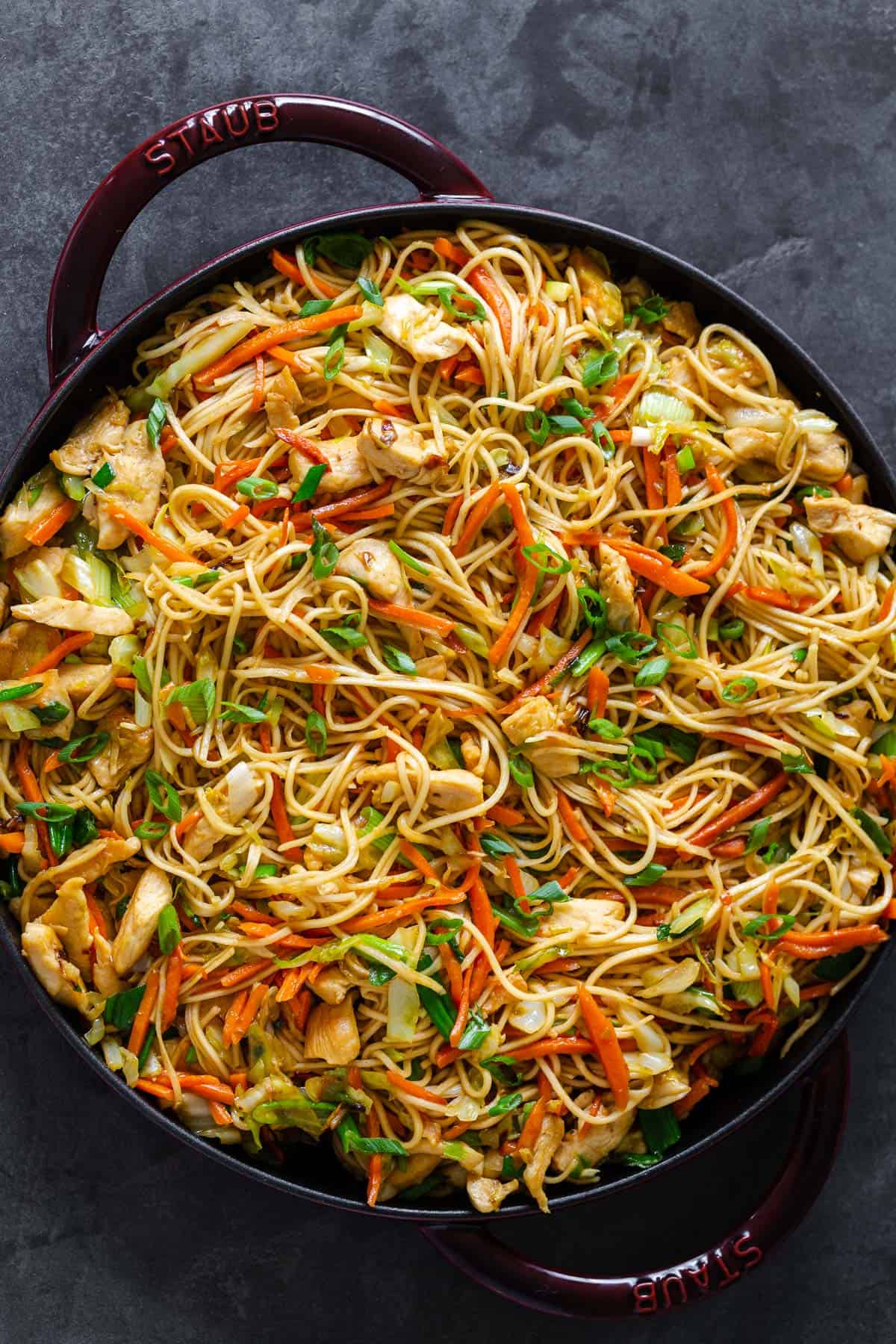
Chicken chow mein is another excellent option when your family enjoys noodles but prefers a little more texture. Unlike soft lo mein, chow mein can have noodles that are more browned and slightly crisp from stir-frying. That contrast can be especially appealing to children who enjoy crunchy foods. Keep the sauce mild and let the chicken provide the familiar flavor.
You can simplify the dish considerably at home. Use chicken, noodles, a small amount of carrot, and a light sauce instead of trying to reproduce a complicated restaurant version. If your picky eater dislikes visible vegetables, chop them very finely or leave them out of their portion. The beauty of making chow mein yourself is that the family does not need to eat one identical version. One pan can contain more vegetables while another portion can remain simple.
4. Chinese Sesame Noodles
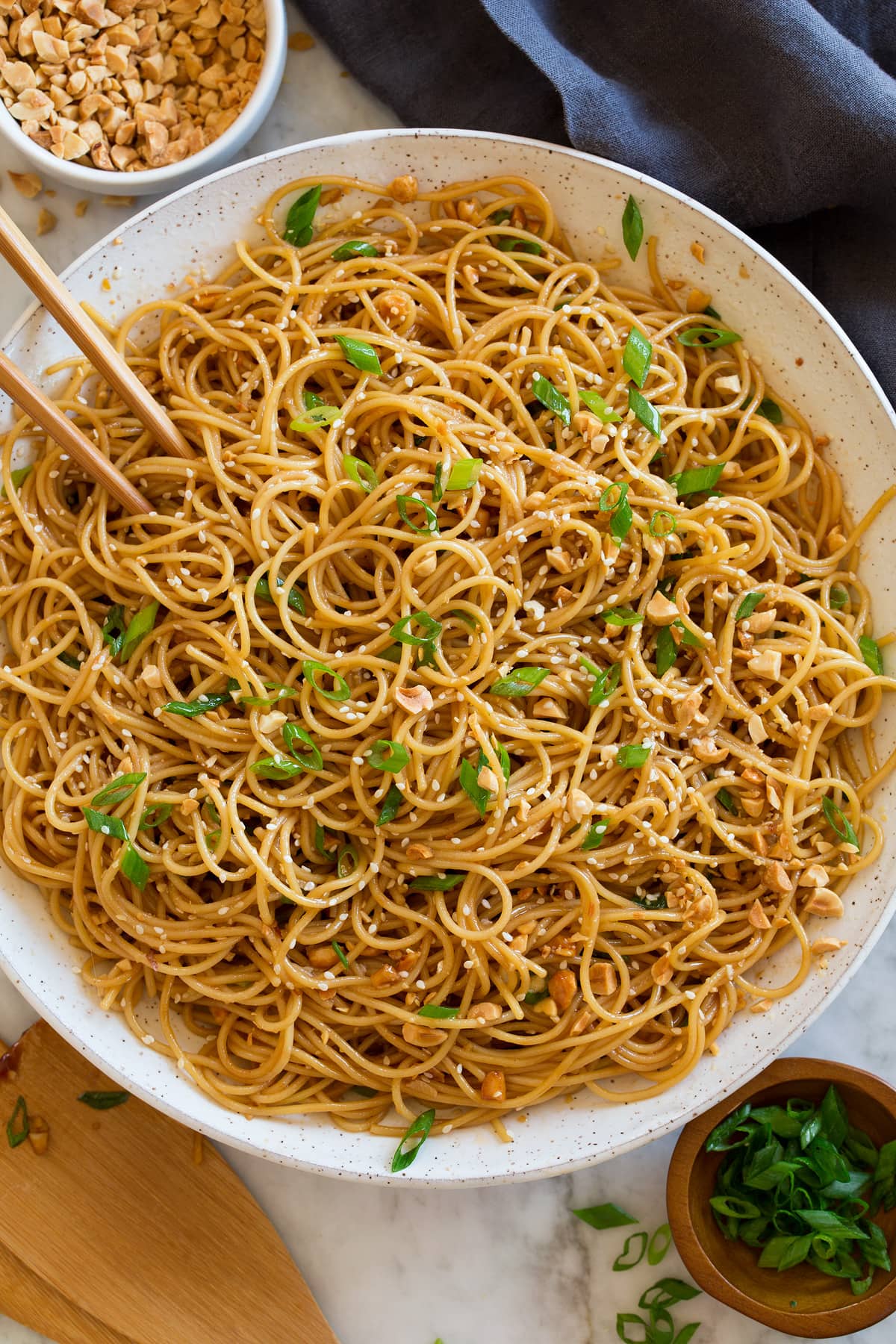
Chinese sesame noodles are a fantastic choice for picky eaters who enjoy nutty or creamy flavors. The sauce is generally rich and silky, and it clings beautifully to soft noodles. A mild sesame sauce can be made with sesame paste or tahini, a little soy sauce, and a touch of sweetness. For children who are sensitive to strong flavors, reduce the amount of garlic or spicy ingredients.
These noodles can also be served warm or adapted for a simple lunch. The creamy texture can make them feel more familiar than a vegetable-heavy stir-fry. You can add thin cucumber strips, shredded carrot, chicken, or even leave the noodles completely plain. If you are serving this dish to someone with a sesame or other food allergy, use an appropriate alternative rather than assuming sesame is safe.
5. Simple Garlic Noodles
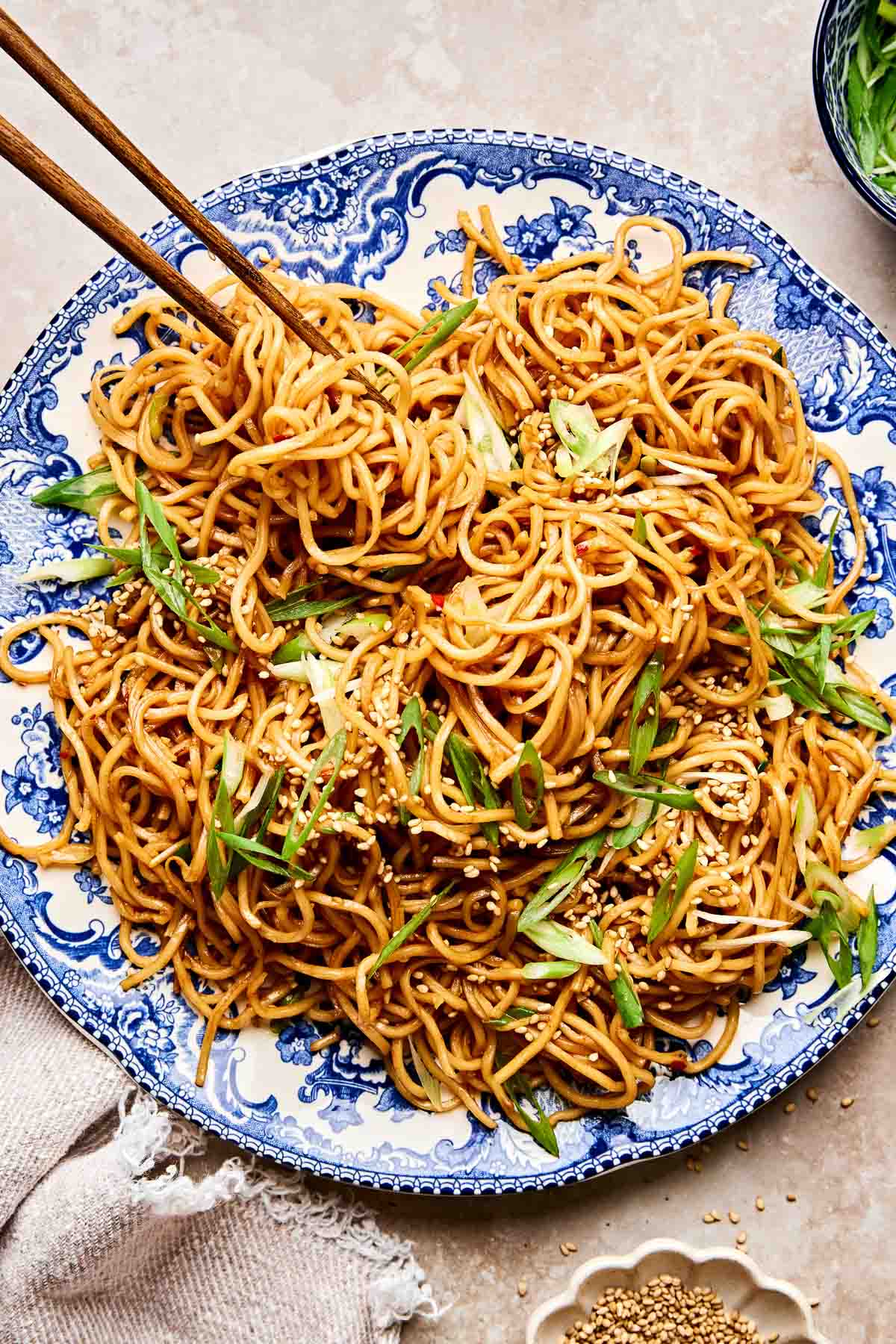
Garlic noodles are ideal for the picky eater who likes plain pasta but is ready for a tiny bit more flavor. The concept is extremely simple: noodles tossed with oil or butter, mild garlic, and a small amount of seasoning. There is no need to add several vegetables or a complicated sauce. This makes the dish feel familiar while introducing a new flavor.
Start with a small amount of garlic because the goal is gentle flavor rather than an intense garlic punch. You can also add a little soy sauce for savory depth. If your child loves cheese, a small sprinkle can make the dish even more familiar, although that takes it further away from a traditional Chinese preparation. That is perfectly fine when the goal is simply to make dinner approachable.
6. Egg Drop Noodle Soup
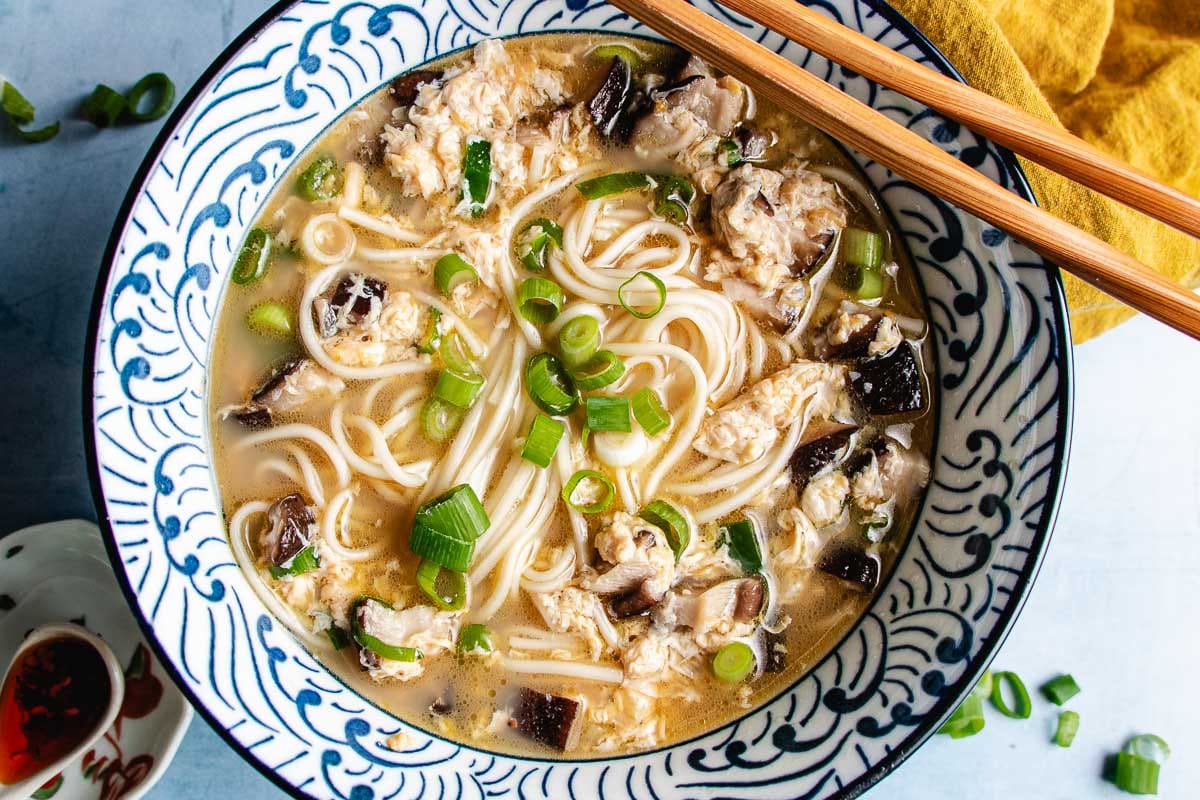
Egg drop noodle soup combines two foods many children already recognize: noodles and eggs. The broth can be kept very mild, and the egg creates soft ribbons throughout the soup. Thin noodles make the bowl easy to eat, while the warm broth gives the dish a comforting quality. For a child who dislikes strong sauces, this can be a much easier introduction to Chinese-inspired flavors.
You can keep the soup simple with chicken broth, noodles, and egg. If your child accepts vegetables, add a small amount of corn, carrot, or finely sliced green onion. If not, there is no need to force them into the first version. As they become comfortable with the soup, you can gradually build the bowl into a more complete meal.
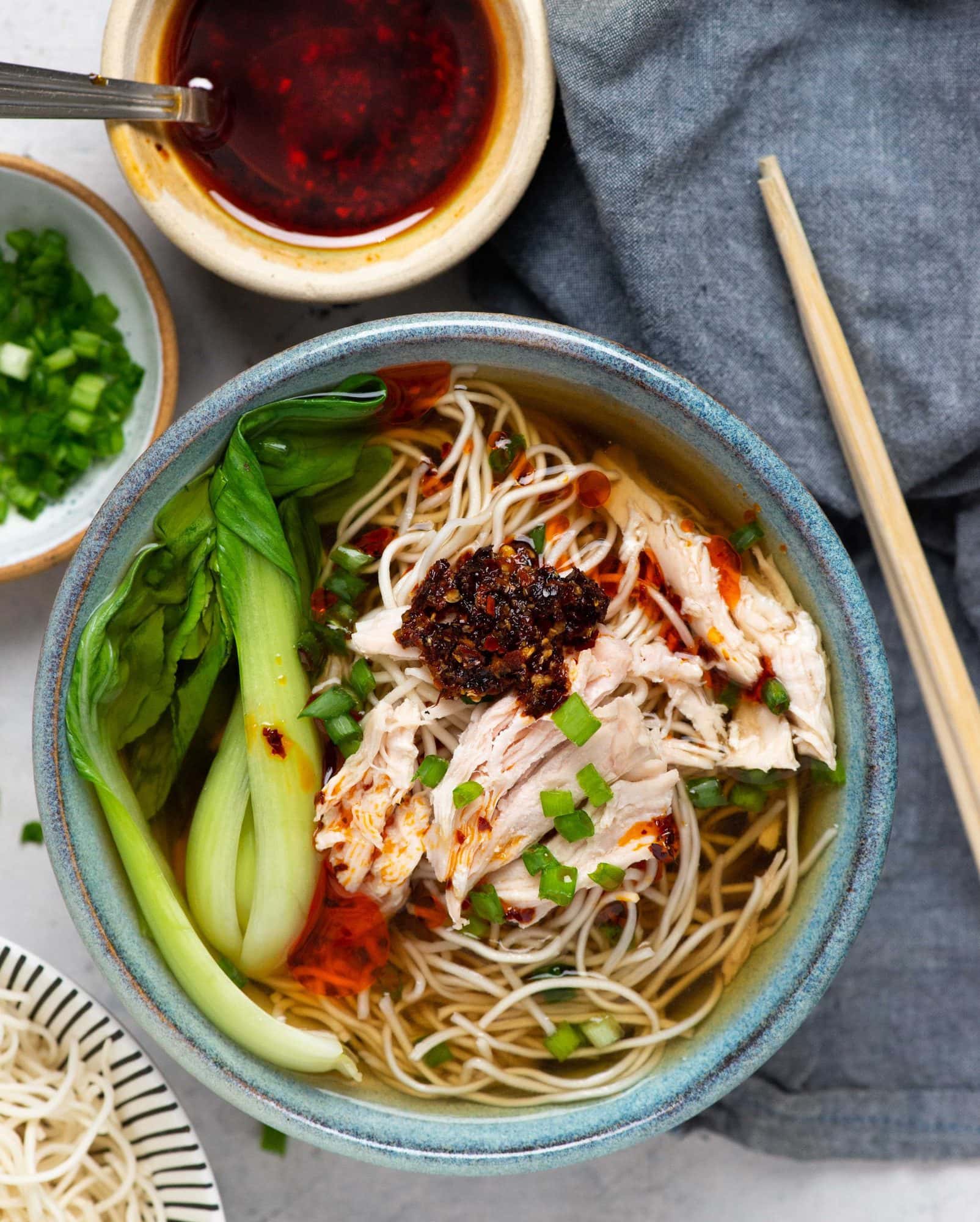
7. Chinese Chicken Noodle Soup
Chinese chicken noodle soup is another comforting option for a cautious eater. Tender chicken and soft noodles are easy to recognize, while a light broth adds flavor without covering everything in sauce. This can be especially useful on evenings when a picky eater is tired and wants something simple. A warm bowl of noodles can feel more comforting than a complicated plate filled with unfamiliar ingredients.
Use small pieces of chicken and noodles that are easy to handle. You can add vegetables such as carrots or bok choy if your family enjoys them, but they do not need to dominate the bowl. For extra flavor, ginger and green onion can be used lightly. The result should taste comforting rather than aggressively seasoned.
8. Sweet and Mild Beef Noodles
A slightly sweet beef noodle dish can work well for children who enjoy sweet-savory combinations. Thin strips of tender beef can be cooked quickly and tossed with noodles in a sauce made from soy sauce, a small amount of sugar or honey, and mild seasonings. The sweetness should balance the savory flavor rather than turn the noodles into a dessert.
If beef is already a favorite protein, this dish gives you an easy starting point. Keep vegetables optional at first and add only one or two familiar choices. Thinly sliced carrots are a natural pairing because they echo the slightly sweet flavor of the sauce. You can also make the beef pieces very small so that the noodle-to-meat ratio stays high.
9. Shanghai-Style Fried Noodles
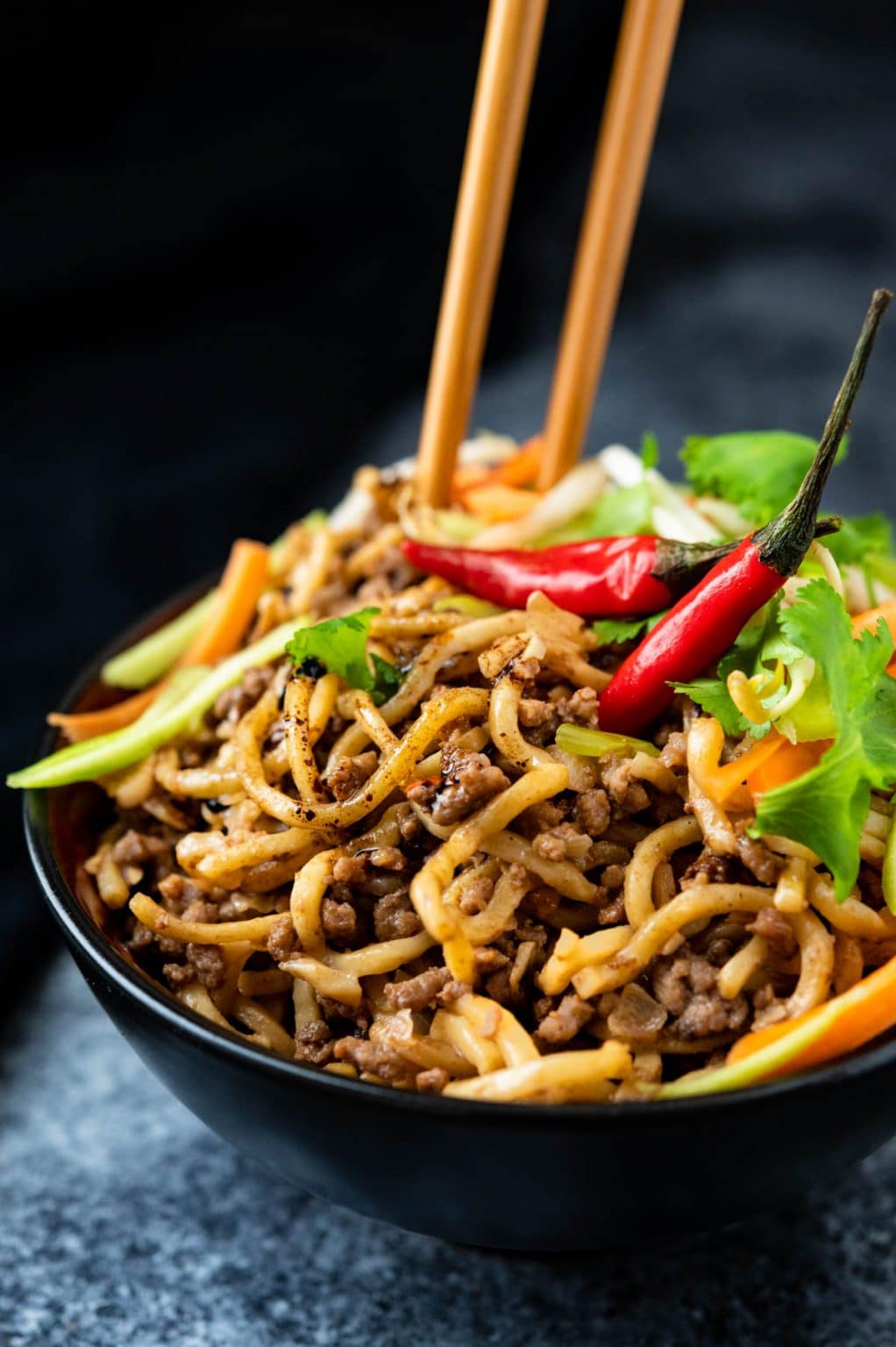
Shanghai-style fried noodles are known for their thick noodles and rich, savory flavor. For picky eaters, the chewy noodle texture can be the main attraction. Instead of filling the dish with many ingredients, begin with noodles, a simple protein, and a mild sauce. This allows the child to become familiar with the texture before you introduce more complex flavors.
The noodles can be paired with pork, chicken, beef, or vegetables depending on your family’s preferences. A little dark soy sauce can add color and depth, but you can reduce the amount for children who dislike strong flavors. The dish is hearty enough to work as a complete dinner while remaining easy to customize.
10. Scallion Oil Noodles
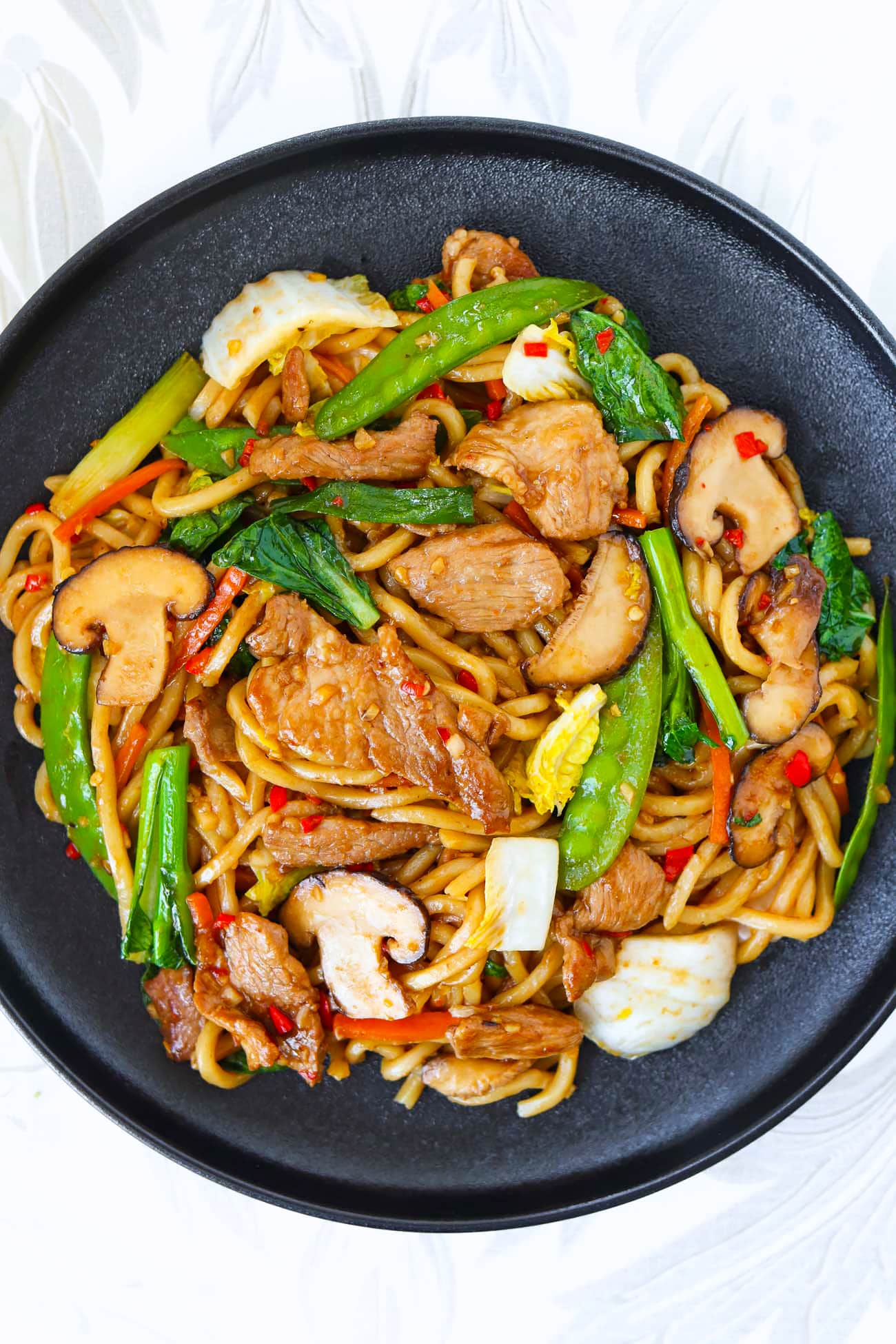
Scallion oil noodles are a wonderfully simple option when your picky eater prefers noodles without a lot of ingredients. The noodles are coated in fragrant scallion-infused oil and seasoning, creating a dish that looks simple but has plenty of character. For children who are unsure about vegetables, this can be an easier first step because the green onion flavor can be kept subtle.
You can make the flavor even gentler by using only a small amount of scallion oil. If the child enjoys it, gradually increase the amount. A fried egg or small pieces of chicken can turn the noodles into a more filling meal. This recipe also works well when you need something quick and do not want to spend an hour preparing dinner.
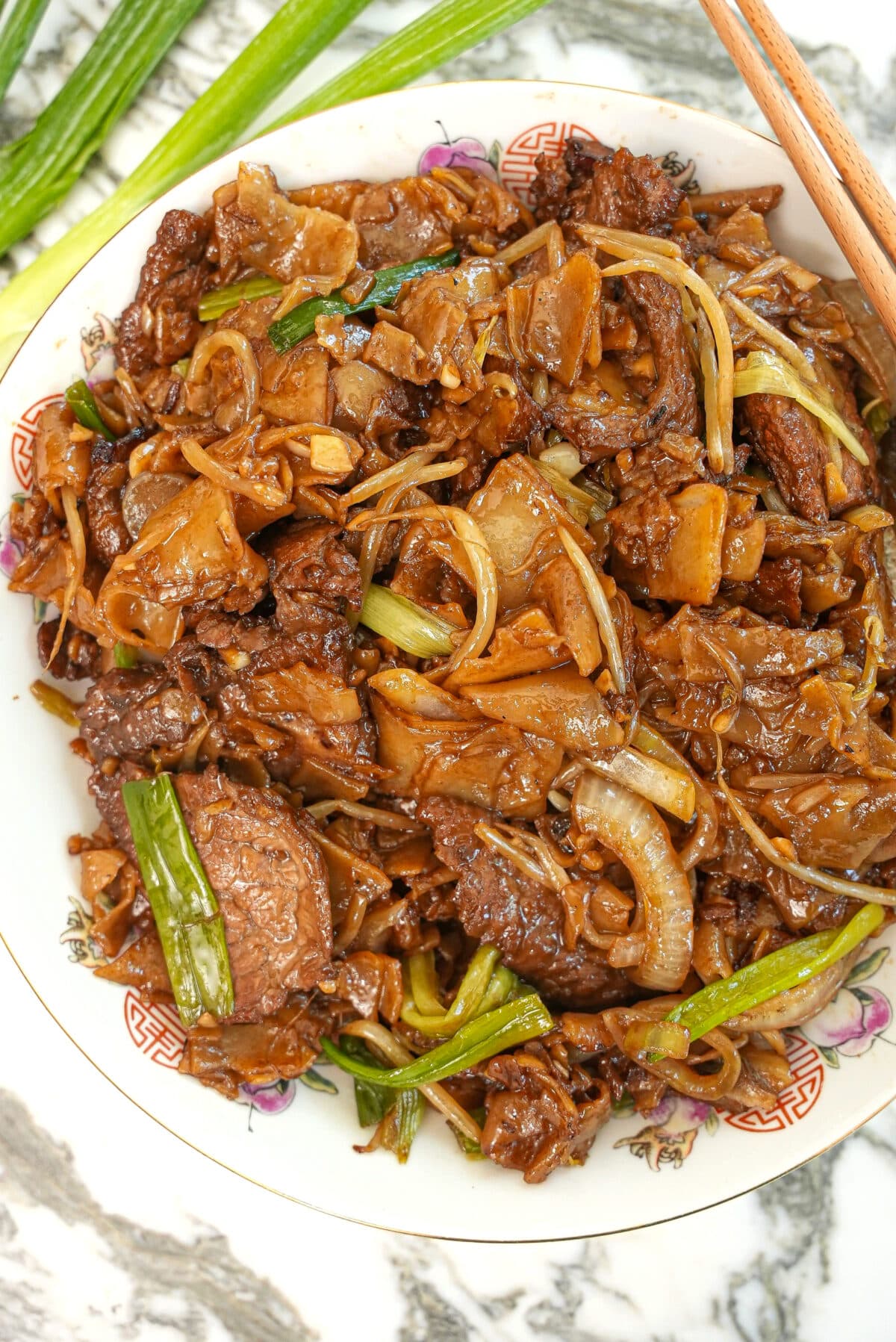
11. Mild Beef Chow Fun
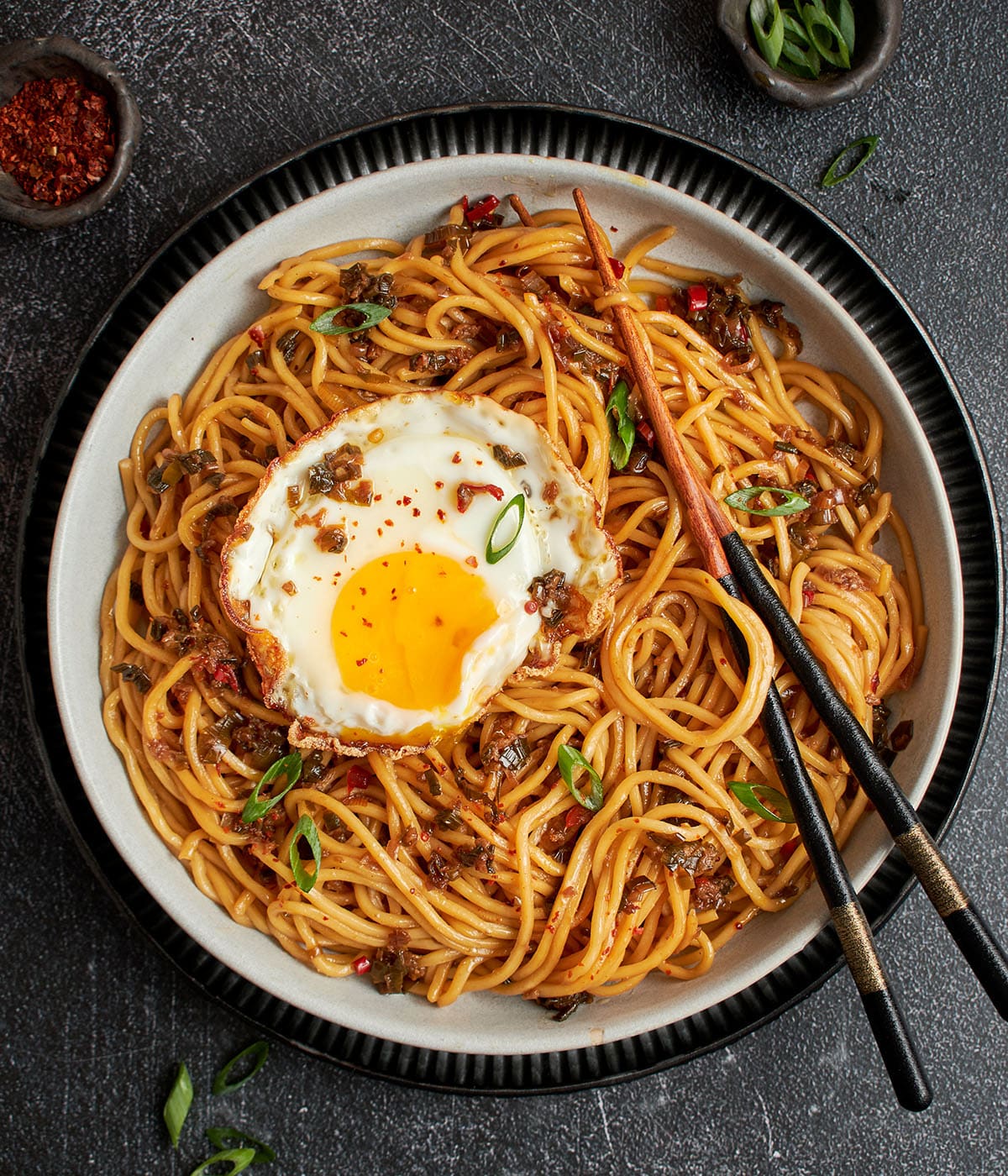
Beef chow fun uses wide, flat rice noodles that provide a completely different texture from standard wheat noodles. Some picky eaters enjoy these noodles precisely because they are broad and soft rather than thin and stringy. Tender beef adds protein while a simple soy-based sauce brings everything together.
Because the noodles are wide, you can cut them into smaller pieces if your child finds long noodles difficult to eat. Keep the vegetable additions modest and choose familiar ingredients. Bean sprouts can be left out if their texture is unpopular. The goal is to let the chewy rice noodles remain the most noticeable part of the meal.
12. Chicken Stir-Fried Egg Noodles
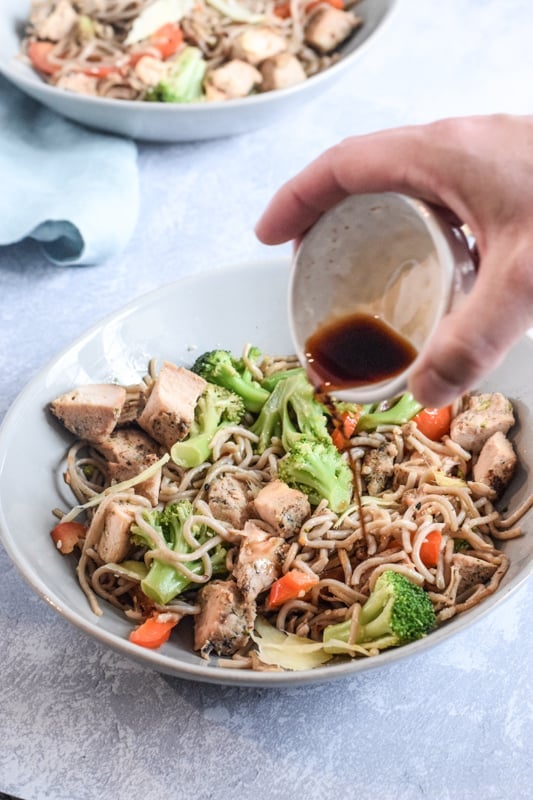
Chicken stir-fried egg noodles are almost like a bridge between familiar pasta and Chinese cooking. Egg noodles have a pleasant chewiness and pair naturally with tender chicken. You can use a mild sauce and stir-fry everything quickly so the noodles pick up a little toasted flavor without becoming overly crisp.
For an especially cautious eater, make their portion before adding the stronger sauce. This gives you a plain noodle-and-chicken option while the rest of the family gets more seasoning. As their confidence increases, you can gradually increase the sauce. This kind of step-by-step customization is often more practical than expecting a picky eater to suddenly accept a completely unfamiliar dinner.
13. Sweet and Sour Noodles
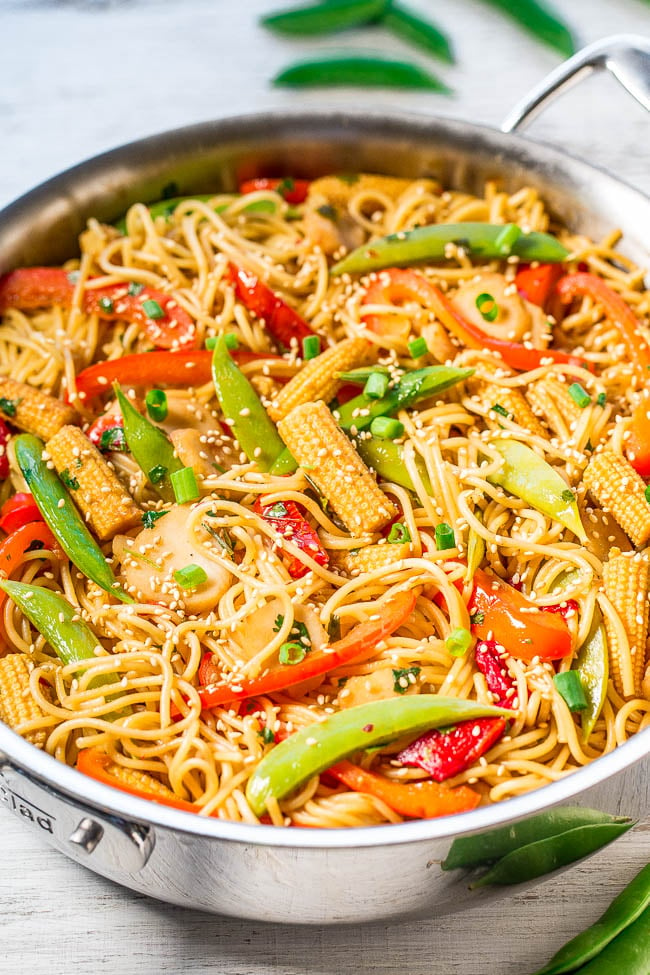
Sweet and sour flavors can be surprisingly appealing to children because they combine two recognizable tastes. Instead of making an extremely sharp sauce, create a mild sweet-and-sour noodle dish with a gentle balance. Noodles, chicken, and small pieces of pineapple can work particularly well if your child already likes those foods.
You can control the tanginess by adding vinegar gradually. A little sweetness can soften the sharpness, while soy sauce provides the savory foundation. Bell peppers, carrots, and pineapple can add color, but you can keep them separate for cautious eaters. Once the sauce becomes familiar, it can become a useful base for introducing new foods.
14. Mild Dan Dan Noodles
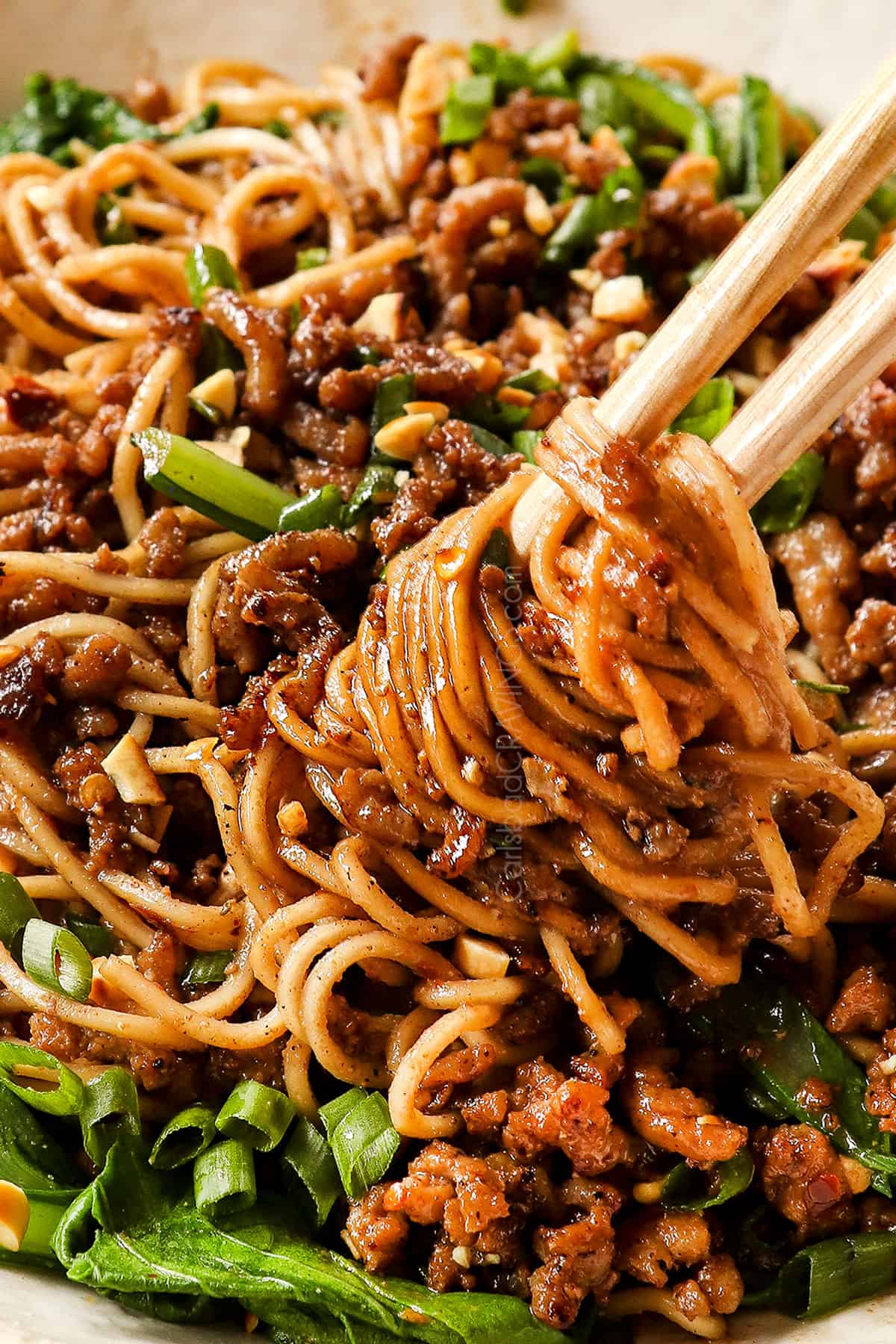
Traditional Dan Dan noodles are known for bold flavors and spicy elements, so a picky-eater-friendly version should be much gentler. You can skip chili oil and focus instead on a mild sesame-based sauce with a little savory seasoning. Ground pork or chicken can be added in a small amount, or you can keep the noodles vegetarian.
This dish is a good example of how you can adapt a classic preparation without expecting everyone to enjoy the same level of heat. For children, start with a small amount of sauce and let them add more. If sesame is already a familiar flavor, the creamy, nutty sauce may be especially approachable.
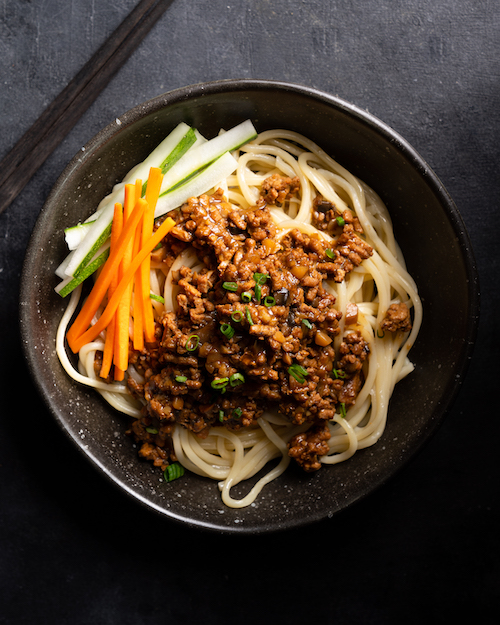
15. Chinese Zha Jiang Mian
Zha Jiang Mian is often described as noodles served with a savory fermented-bean sauce and toppings. For a picky eater, the full traditional version may be too intense, but a simplified version can still work. Think of it as a Chinese noodle bowl where the sauce is served separately, giving everyone control over how much they use.
This serving style is particularly useful for families. One person can enjoy a generous amount of sauce and vegetables while another can eat mostly plain noodles. Cucumber strips can provide a fresh, crunchy element, while finely cooked meat adds richness. The separate components make the meal feel less overwhelming.
16. Wonton Noodle Soup
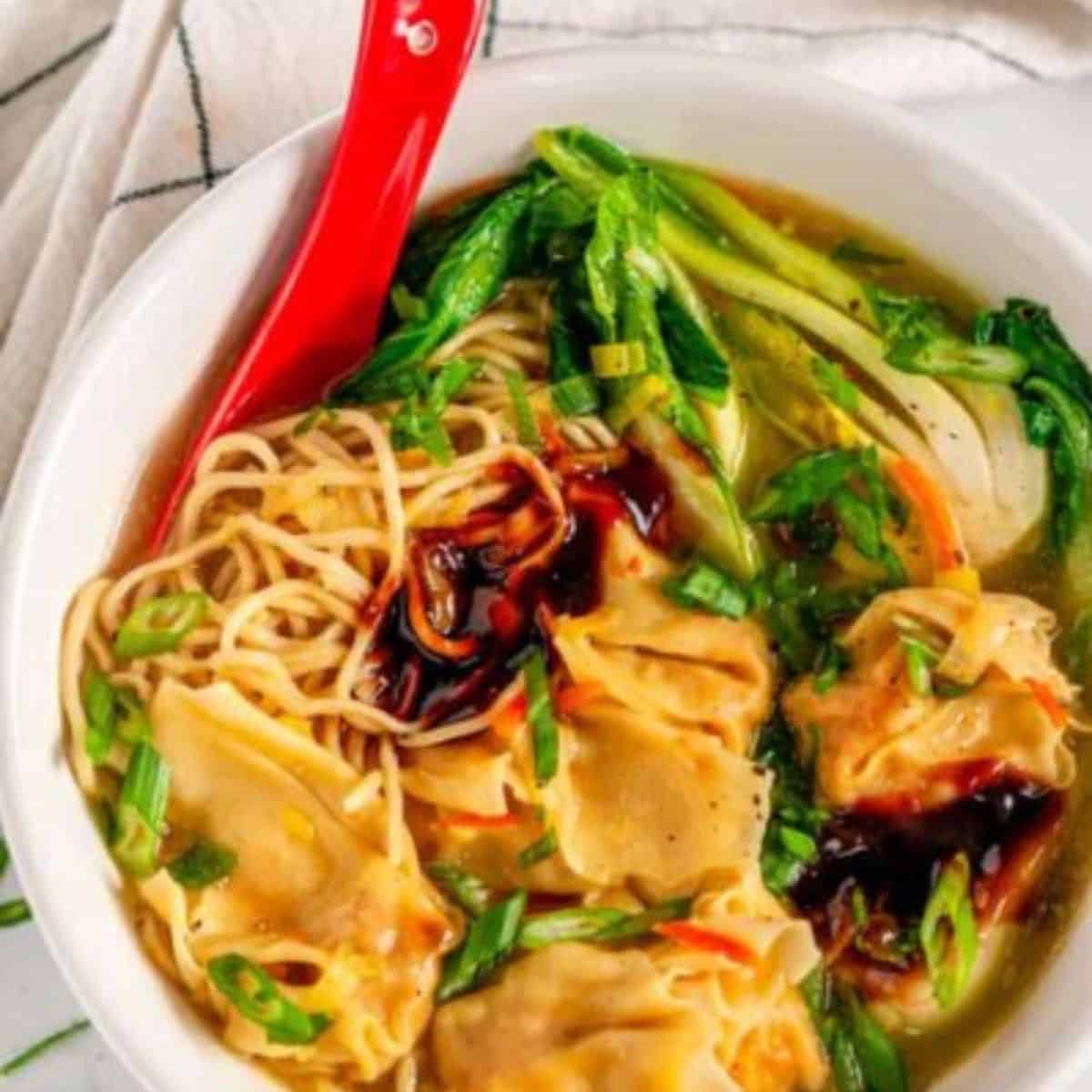
Wonton noodle soup brings together soft noodles, warm broth, and small filled wontons. Children who enjoy dumplings may already be comfortable with the wonton itself, making this a natural progression. The broth can remain light and mild, while noodles provide the familiar foundation.
If your child does not like mixed textures, serve a few wontons on the side instead of putting everything into one bowl. This gives them the option to try each component independently. You can also make the noodle portion larger and treat the wonton as an optional addition. Over time, that small unfamiliar item may become the favorite part of the meal.
17. Simple Soy Sauce Noodles
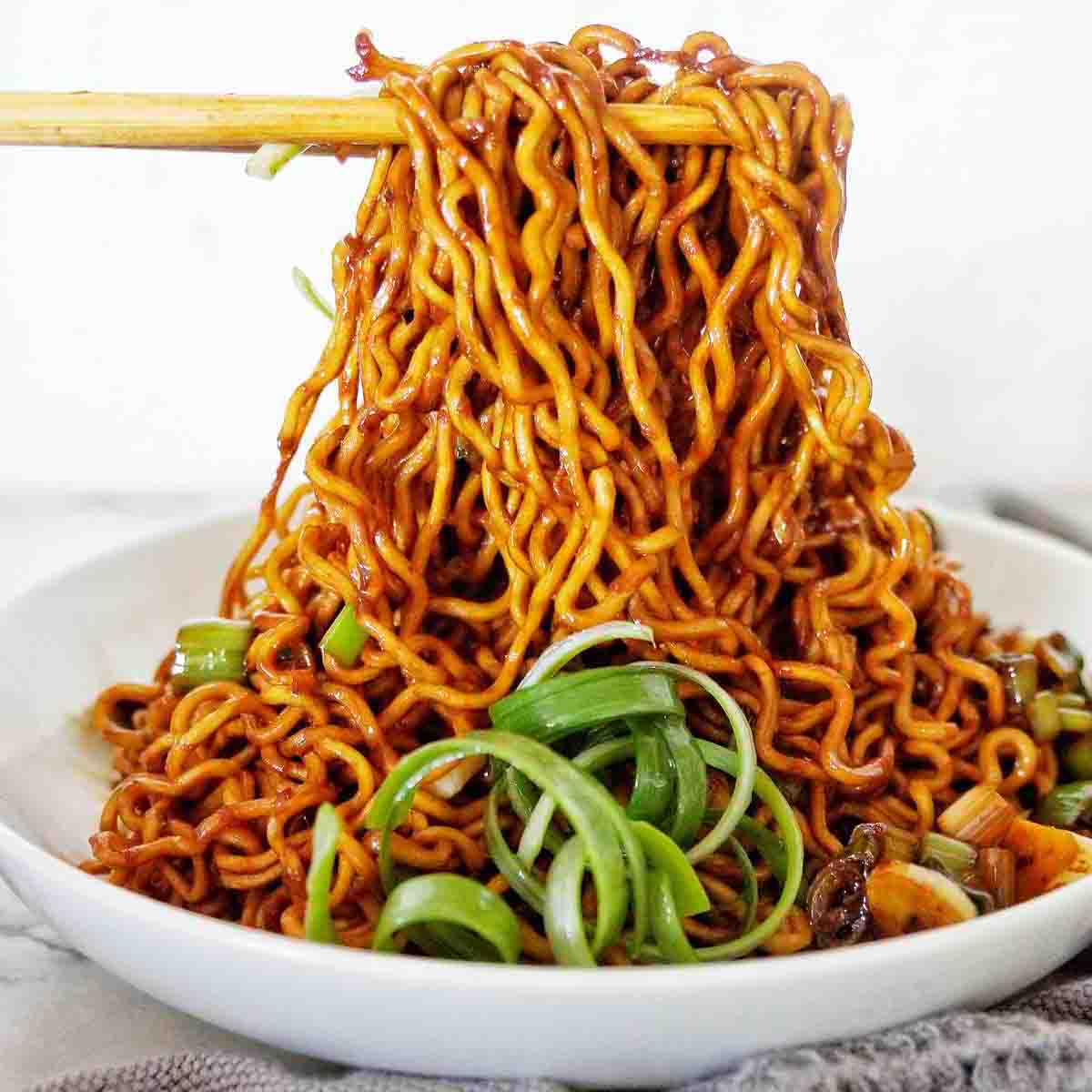
Sometimes the best recipe for a picky eater is the simplest one. Soy sauce noodles require only a few ingredients and can be ready quickly when everyone is hungry. Toss cooked noodles with a small amount of soy sauce, a little oil, and optional sesame oil. That is enough to create a savory meal without introducing too many unfamiliar flavors at once.
You can build from this basic recipe in small steps. Add scrambled egg one night, chicken another night, and perhaps shredded carrots after that. This turns one basic recipe into several meals without making the child feel like dinner changes dramatically every time. Just remember that soy sauce can be salty, so use it moderately, especially for younger children.
18. Crispy Chinese Pan-Fried Noodles
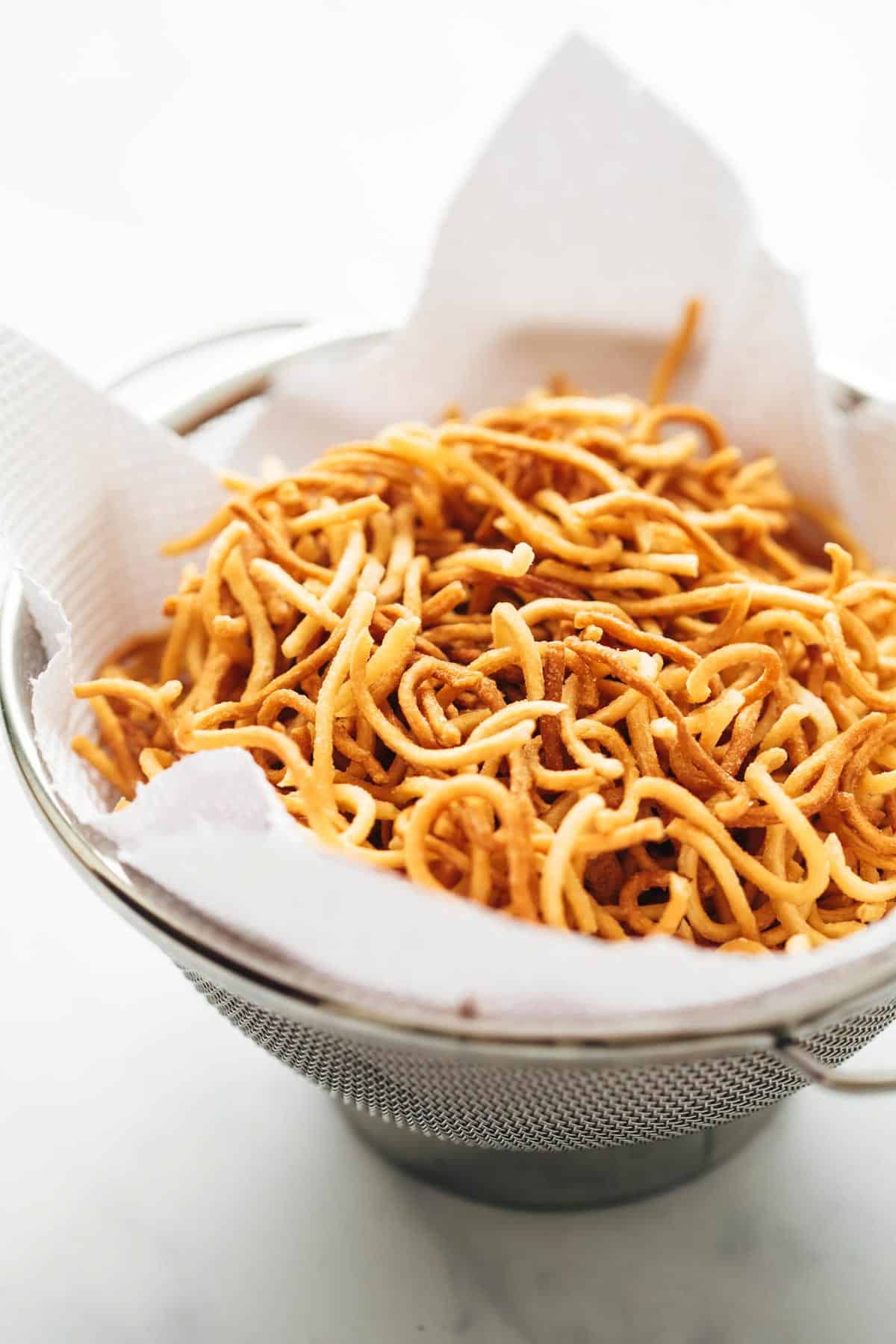
If your picky eater prefers crunchy foods, pan-fried noodles may be the answer. Instead of serving soft noodles, you cook them until the edges become crisp and golden. The contrast between crispy noodles and a mild sauce can make the meal much more interesting from a texture perspective.
Keep the toppings simple at first. Chicken, egg, or a small amount of finely chopped vegetables can work well. You can also serve the sauce on the side so that the noodles remain crisp. This is particularly helpful for children who dislike foods becoming soggy.
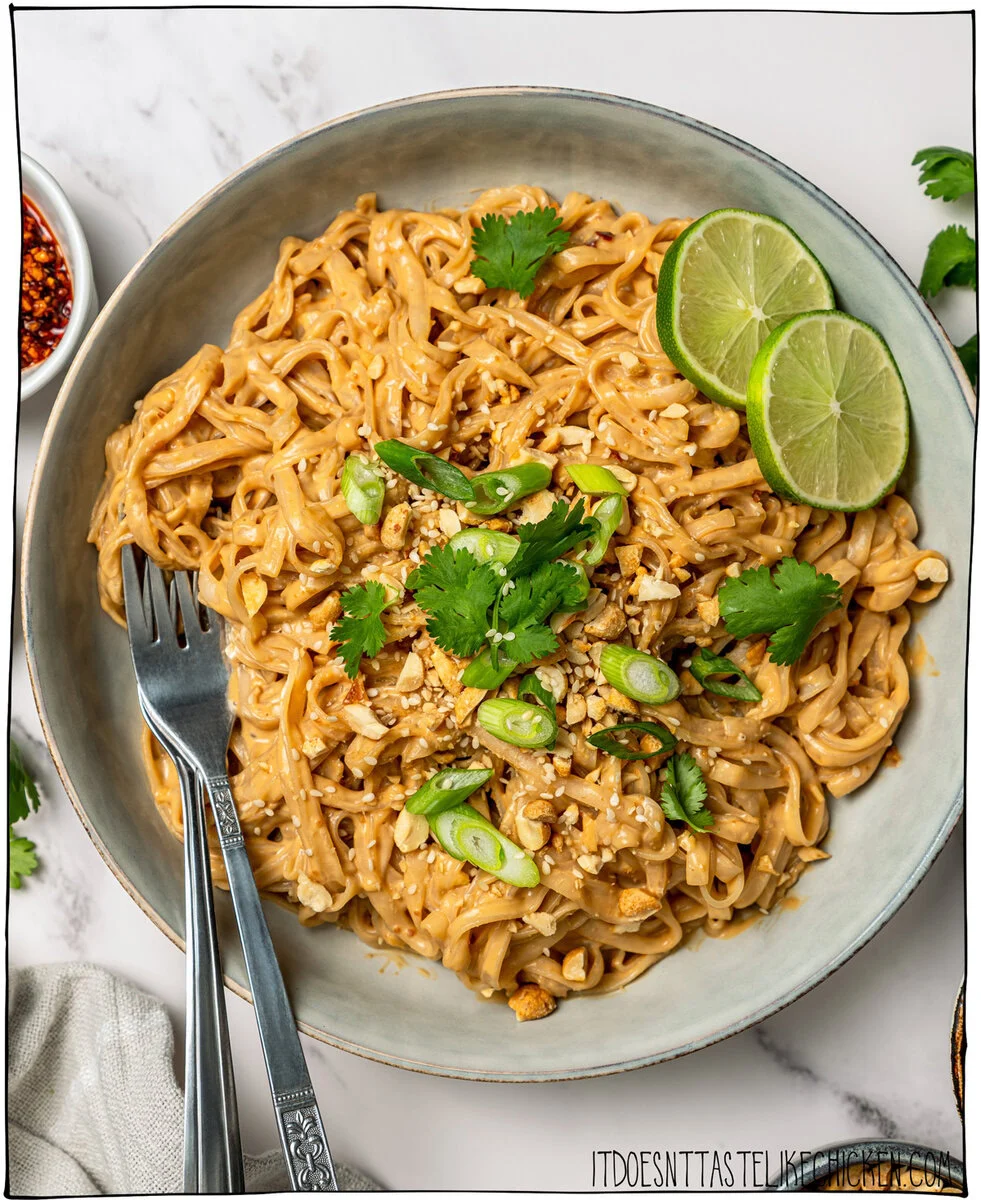
19. Chinese Peanut Noodles
Chinese peanut noodles are rich, creamy, and naturally savory-sweet. If your family already enjoys peanut butter, this can be one of the easiest ways to introduce a different noodle dish. A mild peanut sauce can be made with peanut butter, soy sauce, a little sweetness, and enough warm water to create a smooth consistency.
Serve the noodles plain at first if necessary. Once they are accepted, try adding shredded carrots, cucumber, chicken, or green onions. Always consider food allergies before serving peanut-based dishes. If peanuts are not suitable for your household, choose a safe alternative and avoid treating substitutions as automatically allergy-safe.
How to Make Chinese Noodles More Appealing to Picky Eaters
The biggest mistake is trying to change everything at once. If your child currently eats plain noodles, moving directly to noodles covered in sauce, vegetables, mushrooms, meat, and herbs may feel like a completely different food. Instead, change one element at a time. Start with plain noodles, then add a little sauce. Later, add a familiar protein. Once that works, introduce a small amount of a new vegetable.
Presentation also matters more than many adults realize. A giant bowl of mixed ingredients can look overwhelming, while a small serving with clearly separated ingredients can feel manageable. You can use divided plates, small bowls, or simply leave some ingredients on the side. Letting children see exactly what they are eating can reduce the uncertainty that often comes with unfamiliar foods.
Another useful trick is to keep a reliable food on the plate. If your child loves noodles but dislikes vegetables, noodles can remain the safe component while a tiny amount of vegetables sits beside them. The goal is exposure without turning the meal into a battle. Children do not have to love every new food immediately for the meal to be considered successful.
Sauce control is another simple strategy. Rather than coating the entire batch heavily, serve the sauce separately or use only enough to lightly coat the noodles. This gives picky eaters a sense of control. Some may eventually add more sauce on their own, which is a much easier progression than trying to convince them to eat a heavily sauced dish from the beginning.
Finally, do not underestimate the power of repetition. A food that receives a rejection one week may become acceptable later. Taste preferences change, and children often become more comfortable with foods after seeing them repeatedly. Keep portions small, avoid pressure, and allow curiosity to develop naturally.
Easy Serving and Leftover Tips
Chinese noodle dishes are excellent for busy family meals because many can be prepared in a single skillet or wok. Make the noodles slightly ahead of time, prepare your sauce separately, and have the other ingredients ready before you start stir-frying. This makes the final cooking process much faster. It also allows you to remove a plain portion before adding ingredients that your picky eater does not enjoy.
If you have leftovers, food safety matters. USDA guidance says cooked leftovers should be refrigerated within two hours, or within one hour when temperatures are above 90°F, and refrigerated leftovers should generally be used within three to four days. Store noodles in shallow containers so they cool more quickly, and reheat them thoroughly before serving.
For better texture the next day, add a small splash of water or broth when reheating saucy noodles. Stir-fried noodles can also be reheated in a skillet rather than a microwave if you want to restore some of their original texture. Keep sauces separate when possible because this makes it easier to adjust the flavor for different family members.
Meal prep can also make picky-eater dinners easier. Cook a batch of noodles and store individual portions. Then you can turn the same noodles into soy sauce noodles, chicken lo mein, sesame noodles, or simple garlic noodles throughout the week. It is almost like having a blank recipe template waiting in your refrigerator.
Conclusion
Finding Chinese noodle dishes for picky eaters does not have to mean preparing completely separate meals every night. Noodles give you a flexible foundation that can be adjusted around familiar proteins, mild sauces, preferred textures, and gradually introduced vegetables. From classic chicken lo mein and simple soy sauce noodles to sesame noodles, egg drop noodle soup, chow mein, and peanut noodles, there are plenty of options to experiment with.
The key is to start with what your picky eater already likes. If that means plain noodles, begin there. If chicken is the safe food, build around chicken. If crunchy textures are preferred, try pan-fried noodles. Small changes can eventually lead to bigger changes without making dinner feel like a confrontation.
Most importantly, remember that picky eating can change over time. You do not need every meal to be a perfect combination of vegetables, protein, and adventurous flavors. Sometimes success simply means your child tried a new sauce, touched a new vegetable, or ate a noodle dish that was slightly different from their usual dinner. Keep things relaxed, offer variety, and let these easy Chinese noodle recipes become another tool in your family dinner rotation.
Frequently Asked Questions
1. What is the best Chinese noodle dish for a picky eater?
Chicken lo mein is a practical starting point because it combines familiar soft noodles with chicken and a mild sauce. You can leave out vegetables initially and add them gradually. The recipe is also easy to customize for different family members.
2. What Chinese noodles are good for kids who dislike spicy food?
Choose mild dishes such as chicken lo mein, simple soy sauce noodles, sesame noodles, egg drop noodle soup, chicken noodle soup, or garlic noodles. Skip chili oil and spicy sauces, or serve them separately for adults who want extra heat.
3. How can I hide vegetables in Chinese noodles?
Instead of hiding vegetables completely, start by using very small amounts of familiar vegetables. Finely shredded carrots, finely chopped bell peppers, or small pieces of corn can be easier to accept. You can also serve vegetables separately so your child has more control.
4. Can I make Chinese noodle dishes ahead of time?
Yes. Many noodle dishes can be prepared ahead and refrigerated for later. For food safety, refrigerate leftovers within two hours and generally use refrigerated leftovers within three to four days.
5. How do I make Chinese noodles less intimidating for a picky eater?
Keep the first version simple. Use a familiar noodle, one familiar protein, and a mild sauce, while keeping unfamiliar ingredients separate. Once your child accepts the basic combination, introduce one new ingredient at a time rather than changing the entire dish.
Try More Recipes
31 Easy Chicken Pasta Recipes for Quick Family Dinners
25 Healthy Chicken Skewers Recipes for High Protein Meals
25 Fresh Spring Chicken Recipes to Brighten Your Table
15 Flavor-Packed Mexican Chicken Recipes That Make Every Dinner a Fiesta
19 Easy Chicken Recipes to Warm Up Your Winter Gatherings
30 Easy Chicken Salad Recipes for Light Dinners or Quick Lunch Meal Prep