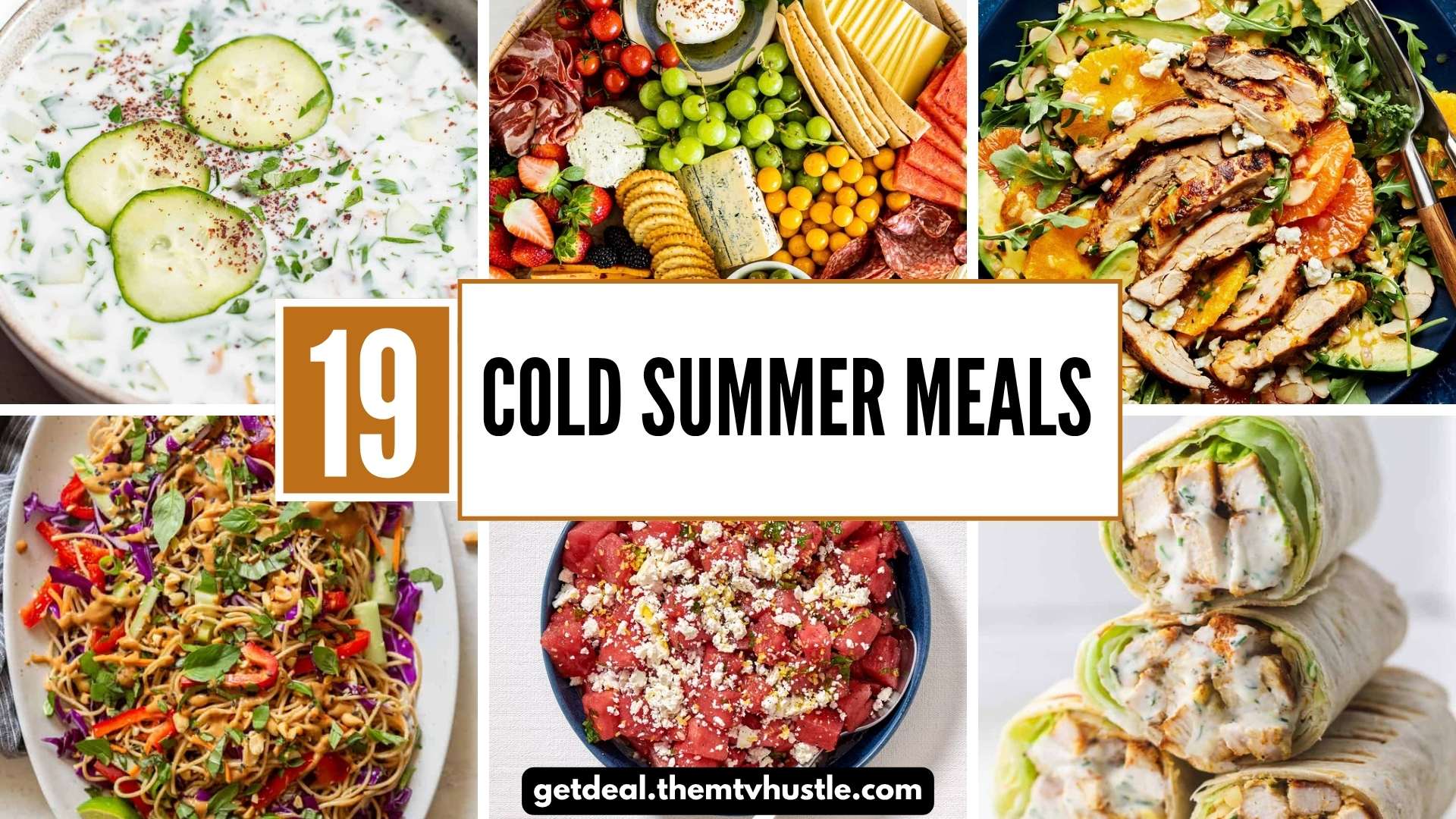
When the temperature starts climbing and even the thought of turning on the stove feels unbearable, cold summer meals become more than just a convenience – they become a necessity. We all know that heavy, hot dishes can leave us feeling sluggish in the heat, almost like carrying around an extra layer we never asked for. That’s exactly where cold meals step in and completely change the game. They offer a refreshing alternative that not only cools the body but also keeps energy levels stable throughout the day.
Think about it—have you ever noticed how a crisp salad or a chilled pasta dish feels almost instantly revitalizing? That’s not just in your head. Cold meals help regulate body temperature and reduce the internal heat your body generates during digestion. This makes them perfect for long summer days when staying alert and hydrated is key. Plus, they’re often lighter, which means your body isn’t working overtime to process dense, greasy foods.
Another huge advantage is flexibility. Cold summer meals are incredibly versatile, allowing us to mix and match ingredients without strict cooking rules. Whether it’s a quick lunch between meetings or a laid-back dinner on a patio, these meals adapt effortlessly. And let’s be honest—less time cooking means more time actually enjoying summer, whether that’s outside with friends or simply relaxing with a cool breeze.
What really makes these meals stand out is how they combine convenience with nutrition. Fresh vegetables, lean proteins, and hydrating fruits come together in ways that feel indulgent yet healthy. It’s like giving your body exactly what it craves during the hottest months—without compromising on taste or satisfaction.
The Science Behind Cooling Foods
Ever wondered why certain foods make you feel cooler while others seem to do the opposite? It’s not just a coincidence – it’s rooted in how our bodies process different types of nutrients. Cooling foods typically have high water content and are easier to digest, which means your body generates less internal heat when breaking them down. This is why foods like cucumbers, watermelon, and leafy greens feel so refreshing during the summer.
From a physiological perspective, digestion itself produces heat—a process known as the thermic effect of food. Heavier meals rich in fats and complex proteins require more energy to digest, which in turn raises your internal temperature. On the other hand, light, hydrating foods reduce this effect, helping your body stay naturally cooler. It’s almost like choosing between sitting in the shade versus standing under direct sunlight—one simply makes more sense in hot weather.
There’s also a hydration factor at play. Many cold summer meals are built around ingredients with high water content, which supports your body’s cooling system. Proper hydration allows for efficient sweating, which is your body’s natural way of regulating temperature. Without enough fluids, that system struggles, leaving you feeling overheated and fatigued.
Interestingly, cultures around the world have embraced cooling foods for centuries. From chilled soups in Spain to yogurt-based dishes in the Middle East, these traditions aren’t random—they’re practical solutions to heat management. By incorporating similar principles into our meals, we’re not just eating—we’re actively helping our bodies adapt to seasonal changes.
Benefits of No Cook and Low Heat Meals
There’s something undeniably satisfying about preparing a meal without ever turning on the stove, especially when the summer sun is already doing enough heating for everyone. No-cook and low-heat meals aren’t just convenient—they’re transformative for both your kitchen routine and overall comfort. Imagine cutting down cooking time while still enjoying something flavorful, nutritious, and filling. That’s the sweet spot these meals hit.
One of the biggest advantages is energy efficiency. Cooking appliances generate heat, which can quickly make indoor spaces uncomfortable. By skipping or minimizing cooking, you’re not only keeping your kitchen cool but also reducing energy consumption. It’s a small shift that can make a noticeable difference, especially during peak summer months.
Then there’s the freshness factor. No-cook meals rely heavily on raw or minimally processed ingredients, which means you’re getting maximum nutrients without degradation from heat. Vitamins like vitamin C and certain antioxidants are heat-sensitive, so consuming them in their natural state ensures you’re reaping the full benefits. It’s like eating ingredients at their peak performance.
Convenience also plays a huge role. With no-cook meals, preparation often involves simple chopping, mixing, and assembling. This makes them ideal for busy schedules or those moments when you just don’t feel like spending time in the kitchen. Plus, cleanup is usually minimal, which is always a bonus.
Finally, these meals encourage creativity. Without the constraints of traditional cooking methods, you’re free to experiment with textures, flavors, and combinations. It becomes less about following recipes and more about building meals that suit your taste and mood. And honestly, that’s where some of the best dishes come from—those spontaneous, no-rules creations that just work.
Fresh and Flavorful Salad Based Meals
When we think of cold summer meals, salads naturally take center stage—but we’re not talking about boring bowls of lettuce. These are vibrant, satisfying, flavor-packed meals that can easily stand on their own. A well-built salad isn’t just a side dish; it’s a complete experience that balances texture, color, and nutrition in every bite. The beauty lies in how customizable they are, allowing us to adapt ingredients based on what’s fresh, seasonal, and appealing.
A strong salad foundation typically starts with crisp greens or hearty bases like quinoa, chickpeas, or even shredded cabbage. From there, layering becomes the key to turning something simple into something memorable. Crunchy vegetables like cucumbers and bell peppers bring freshness, while creamy elements like avocado or cheese add depth. The contrast is what keeps each bite interesting—it’s never monotonous.
What truly elevates these meals is the dressing. A well-balanced dressing can transform an entire dish, tying together flavors while adding a punch of acidity or sweetness. Think citrus vinaigrettes, tangy yogurt blends, or olive oil-based dressings infused with herbs. These aren’t just toppings; they’re essential components that define the entire dish.
Salads also offer incredible flexibility when it comes to protein. Whether we’re adding grilled chicken, chickpeas, tofu, or even boiled eggs, there’s always a way to make the meal more filling without making it heavy. That’s the magic of summer salads—they nourish without weighing us down.
Classic Mediterranean Chickpea Salad
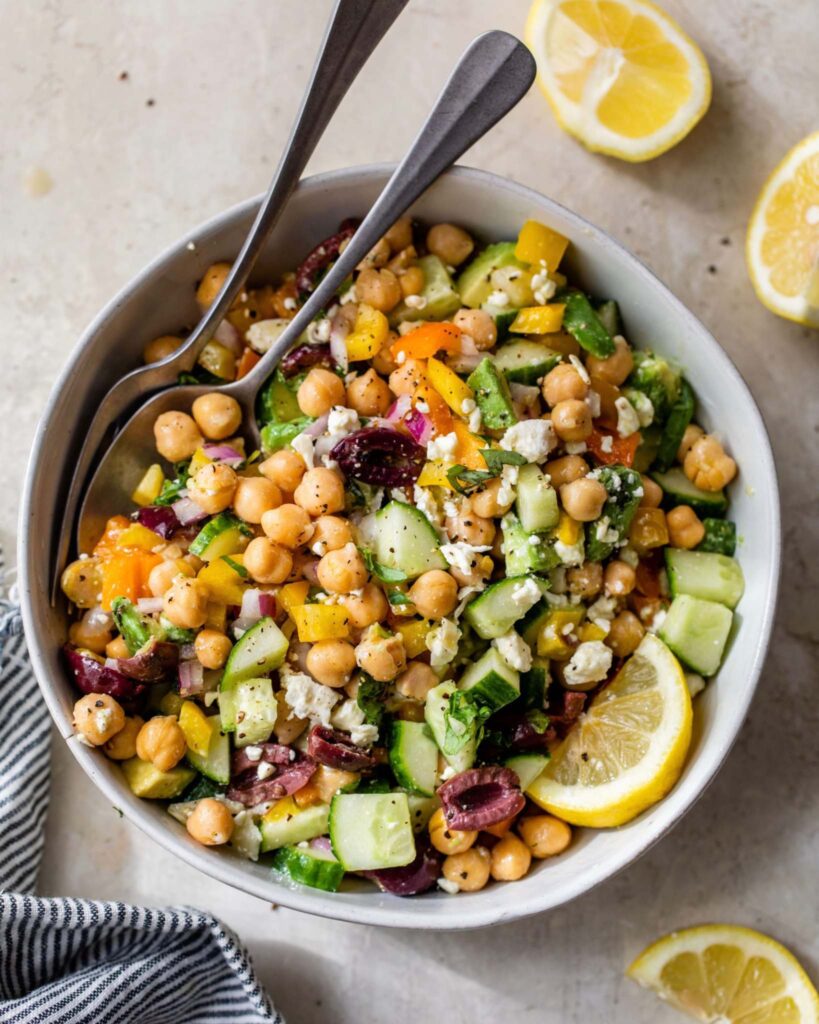
Get the Classic Mediterranean Chickpea Salad Recipe.
Few dishes capture the essence of refreshing summer eating quite like a Mediterranean chickpea salad. It’s hearty, colorful, and incredibly satisfying without requiring any cooking beyond perhaps opening a can. Chickpeas form the base, offering a rich source of plant-based protein and fiber, which helps keep us full for hours without feeling sluggish.
The real charm of this dish comes from its bold, fresh ingredients. Juicy cherry tomatoes, crisp cucumbers, thinly sliced red onions, and briny olives create a medley of textures and flavors that feel both light and indulgent. Add crumbled feta cheese, and suddenly you’ve got a creamy, salty contrast that takes everything up a notch. It’s like a small trip to the Mediterranean in every bite.
The dressing is where everything comes together. A simple mix of extra virgin olive oil, lemon juice, garlic, and oregano creates a tangy, aromatic coating that enhances every ingredient. What makes this salad stand out is how well it holds up—unlike leafy salads, it can sit for hours and actually taste better as the flavors meld together.
This makes it perfect for meal prep, picnics, or even quick lunches throughout the week. It’s the kind of dish that doesn’t just fill you up—it keeps you coming back for more. And honestly, once you try it, it’s hard not to make it a regular part of your summer routine.
Avocado Chicken Salad with Citrus Dressing
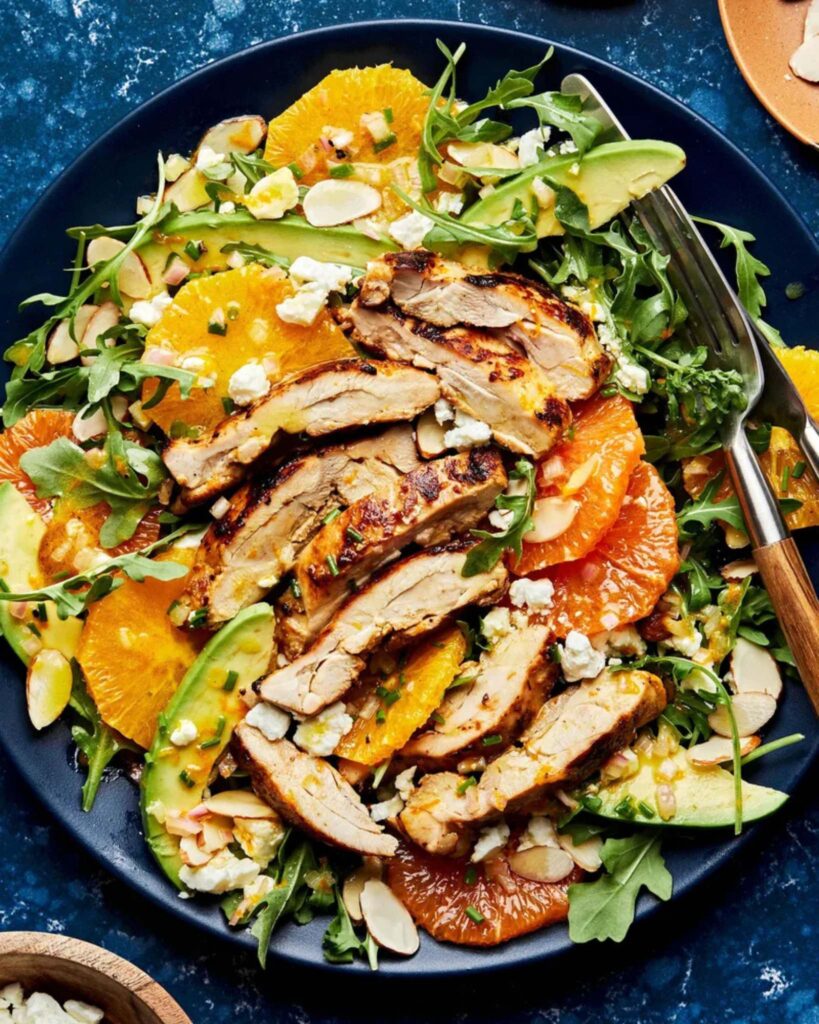
Get the Avocado Chicken Salad with Citrus Dressing Recipe.
If there’s one combination that consistently delivers both flavor and satisfaction, it’s avocado and chicken. This salad strikes the perfect balance between creamy and refreshing, making it an ideal choice for a cold summer meal that doesn’t feel like a compromise. The tender chicken provides a solid protein base, while the avocado adds a rich, buttery texture that elevates the entire dish.
What sets this salad apart is the citrus dressing. Instead of something heavy like mayonnaise, we use a bright blend of orange or lemon juice, olive oil, and a hint of honey. This creates a light yet flavorful coating that complements the ingredients without overpowering them. The acidity cuts through the richness of the avocado, creating a perfectly balanced bite every time.
To add more depth, ingredients like red onion, cherry tomatoes, and mixed greens come into play. These bring crunch and freshness, preventing the salad from feeling too dense. A sprinkle of herbs like cilantro or parsley adds another layer of complexity, making the dish feel vibrant and alive.
This salad works beautifully as a standalone meal or even tucked into wraps or sandwiches. It’s versatile, easy to prepare, and incredibly satisfying. More importantly, it delivers that rare combination of indulgence and lightness—something we all crave during hot summer days.
Watermelon Feta Salad with Mint
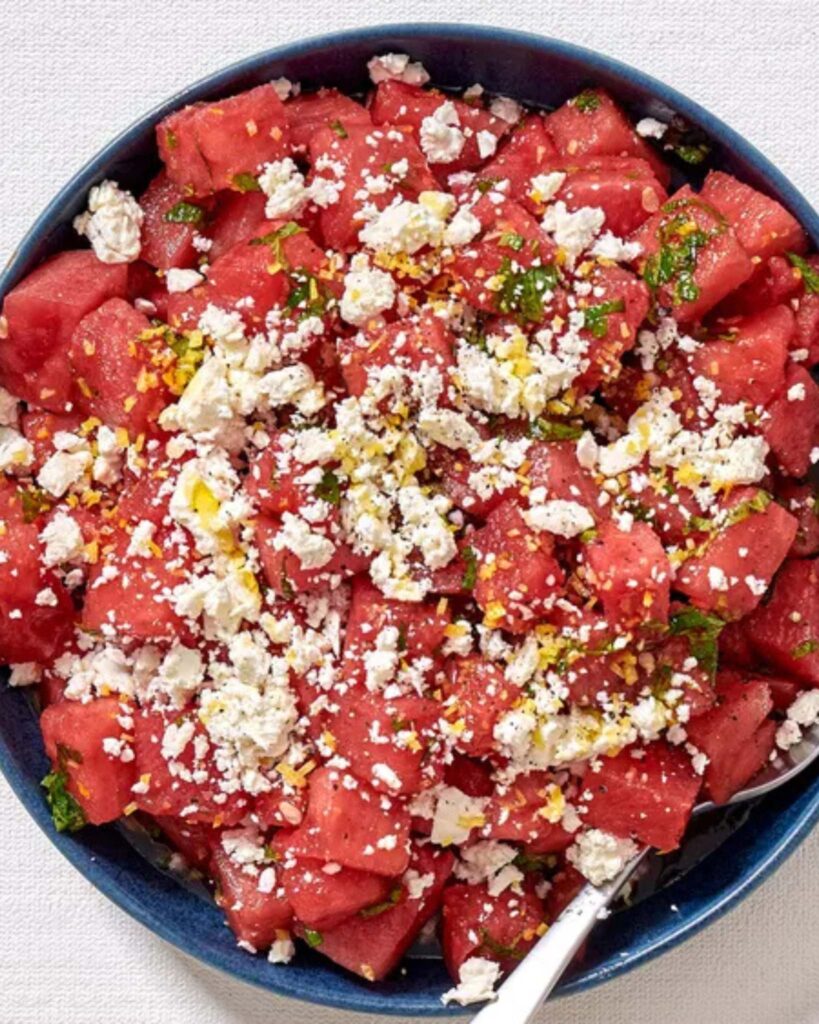
Get the Watermelon Feta Salad with Mint Recipe.
At first glance, watermelon and feta might seem like an unusual pairing, but once you try it, the combination feels almost genius. This dish perfectly captures what cold summer meals should be—refreshing, bold, and unexpectedly delightful. The sweetness of the watermelon contrasts beautifully with the salty, tangy feta, creating a flavor profile that’s both simple and sophisticated.
The addition of fresh mint takes things to another level. It introduces a cooling element that enhances the overall freshness of the dish. Every bite feels crisp and revitalizing, almost like a palate cleanser that doubles as a full meal when paired with other ingredients. A drizzle of balsamic glaze or olive oil can add depth, tying everything together with a subtle richness.
Texture plays a key role here as well. The juicy watermelon bursts with every bite, while the crumbly feta provides a creamy counterpoint. It’s this contrast that makes the dish so satisfying despite its simplicity. Adding ingredients like arugula or cucumber can introduce even more layers, turning a basic salad into something truly memorable.
This salad is perfect for hot afternoons when heavy meals feel unappealing. It’s light yet flavorful, simple yet elegant—a combination that defines the best summer dishes.
Protein Packed Cold Dishes
When we talk about cold summer meals, it’s easy to assume they might lack substance. But that’s far from the truth. Protein-packed cold dishes prove that you can stay cool while still fueling your body effectively. These meals are designed to provide lasting energy without the heaviness that often comes with hot, cooked options.
Protein is essential for maintaining muscle, supporting metabolism, and keeping hunger at bay. The trick is incorporating it in a way that aligns with the refreshing nature of summer meals. This often means leaning toward lean meats, seafood, dairy, or plant-based sources that don’t require heavy preparation.
What makes these dishes particularly appealing is their balance. They combine protein with fresh vegetables, healthy fats, and light carbohydrates to create meals that feel complete. It’s not just about adding chicken or tofu—it’s about integrating these elements seamlessly into a dish that still feels light and enjoyable.
Another advantage is convenience. Many protein-rich cold meals can be prepared in advance, making them ideal for busy schedules. Whether it’s a quick lunch or a post-workout meal, these dishes deliver both nutrition and satisfaction without requiring extra effort.
Cold Grilled Chicken Wraps
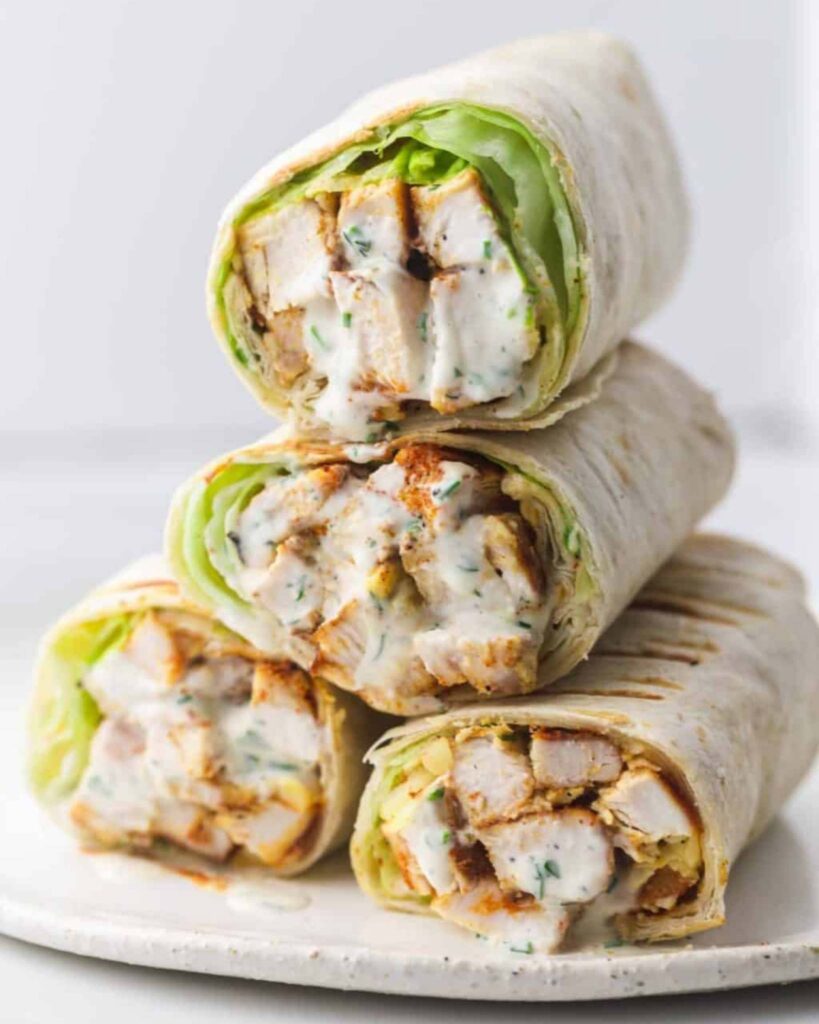
Get the Cold Grilled Chicken Wraps Recipe.
Cold grilled chicken wraps are a perfect example of how leftovers can turn into something exciting. Instead of reheating grilled chicken, we slice it thin and pair it with fresh ingredients to create a meal that feels entirely new. The result is a wrap that’s light, flavorful, and incredibly satisfying.
The foundation starts with a soft tortilla or flatbread, which acts as the perfect vessel for layering flavors. Add chilled grilled chicken, crisp lettuce, sliced tomatoes, and perhaps some cucumbers for extra crunch. The contrast between the smoky chicken and the fresh vegetables creates a balanced, refreshing bite.
What really makes these wraps shine is the sauce. A yogurt-based dressing, a light vinaigrette, or even a touch of hummus can add moisture and flavor without making the wrap feel heavy. It’s all about enhancing the ingredients rather than masking them.
These wraps are also highly portable, making them ideal for picnics, road trips, or quick lunches. They’re proof that cold meals don’t have to be complicated to be delicious—they just need the right combination of ingredients.
Tuna Poke Bowl with Sesame Dressing
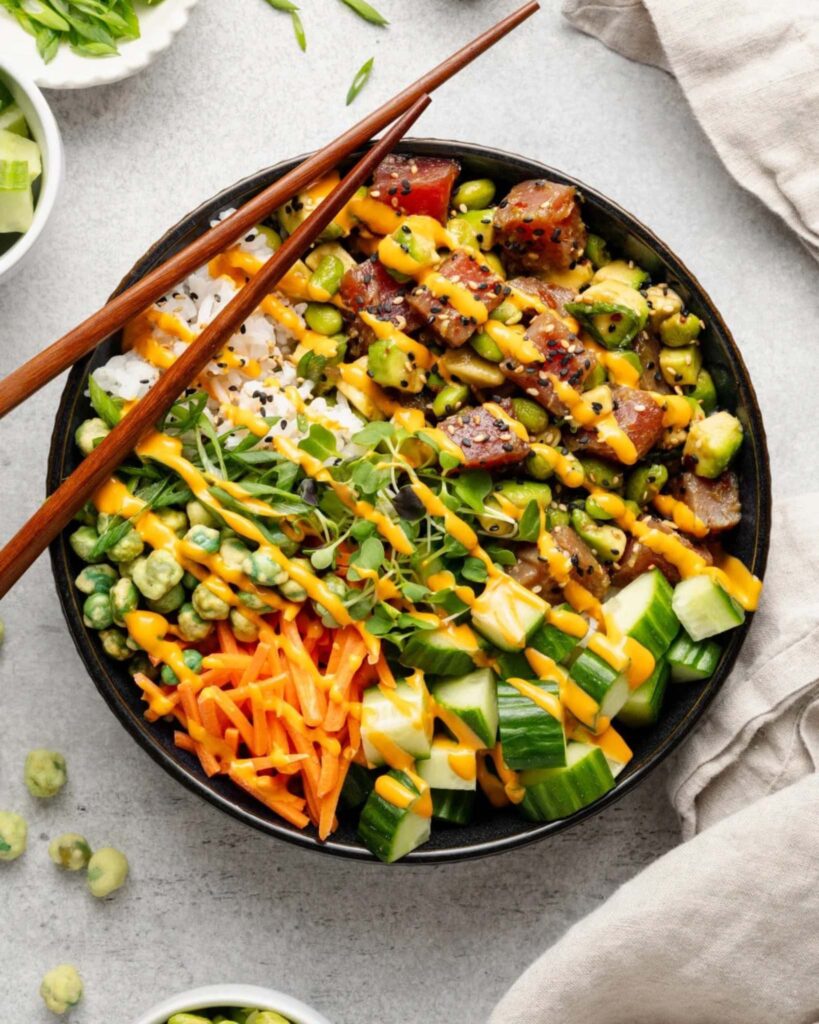
Get the Tuna Poke Bowl with Sesame Dressing Recipe.
The tuna poke bowl is a standout when it comes to cold, protein-rich meals that feel both indulgent and refreshing. Originating from Hawaiian cuisine, this dish has gained global popularity for good reason. It combines fresh, raw tuna with vibrant toppings and a flavorful dressing, creating a meal that’s as visually appealing as it is delicious.
The base typically consists of rice or greens, providing a neutral backdrop for the bold flavors on top. Cubes of fresh tuna are the star, offering a clean, rich taste that pairs beautifully with ingredients like avocado, cucumber, and shredded carrots. These additions bring both texture and freshness, making each bite dynamic.
The sesame dressing ties everything together. A blend of soy sauce, sesame oil, rice vinegar, and a touch of honey creates a savory, slightly sweet flavor profile that enhances the natural taste of the tuna. It’s light enough to keep the dish refreshing while still delivering depth.
This meal feels luxurious yet simple, making it perfect for warm days when we want something special without the heaviness. It’s a true celebration of fresh ingredients and balanced flavors.
Greek Yogurt Chicken Bowl
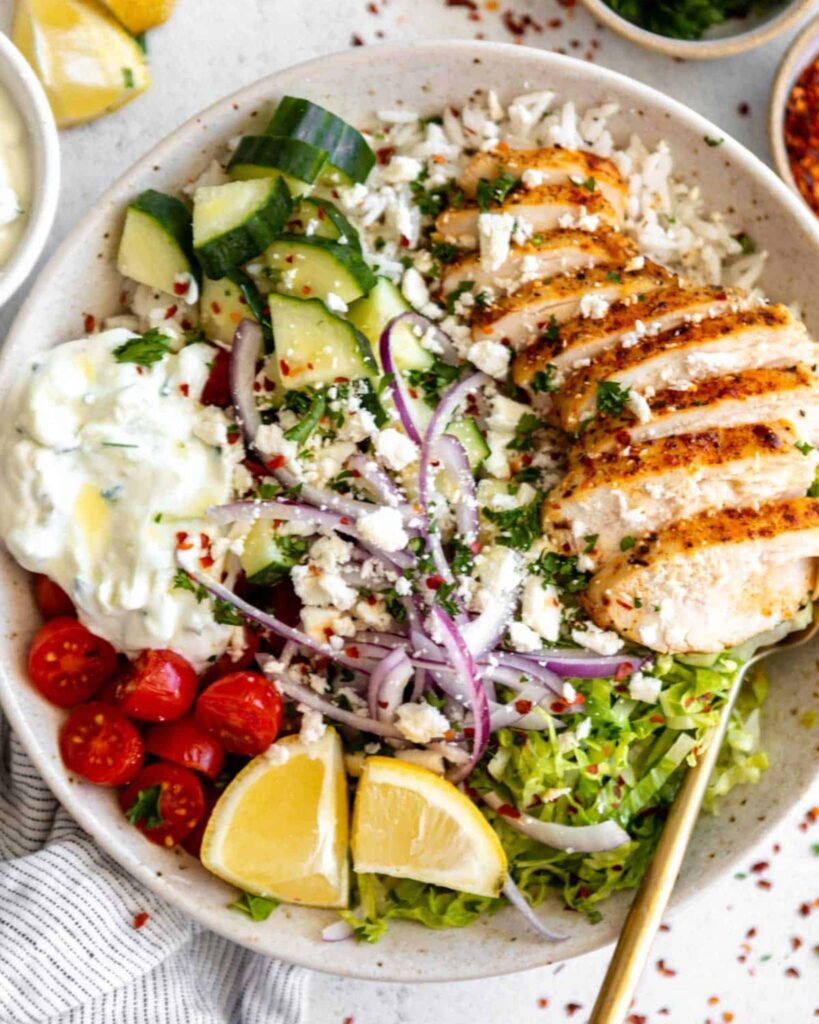
Get the Greek Yogurt Chicken Bowl Recipe.
When we’re searching for a cooling, protein-rich meal that doesn’t feel heavy, the Greek yogurt chicken bowl easily becomes a standout choice. It combines creamy textures with fresh, crisp ingredients in a way that feels both comforting and refreshing. Instead of relying on heavy sauces or mayonnaise-based dressings, this dish leans on thick, tangy Greek yogurt as its base, which not only enhances flavor but also boosts protein content significantly.
The chicken, typically grilled or roasted ahead of time and served chilled, brings a savory depth that pairs beautifully with the yogurt. What makes this bowl truly exciting is how we layer it. Imagine a base of chopped cucumbers, cherry tomatoes, and perhaps some shredded lettuce, all topped with slices of tender chicken. Then comes the yogurt sauce—often mixed with garlic, lemon juice, and herbs like dill or parsley—which acts as both a dressing and a flavor enhancer.
There’s a balance happening here that’s hard to ignore. The coolness of the yogurt offsets the savory chicken, while the vegetables add crunch and freshness. A sprinkle of spices like paprika or cumin can elevate the dish even further, giving it a subtle warmth without actually increasing its temperature. It’s this contrast that keeps every bite interesting.
This bowl is also incredibly adaptable. We can add grains like quinoa or rice for extra substance, or keep it low-carb by sticking to vegetables. Either way, it delivers a satisfying meal that fuels the body while keeping things light and refreshing—exactly what we need during hot summer days.
Refreshing Cold Pasta and Noodle Meals
Cold pasta and noodle dishes are often underestimated, but they’re actually some of the most versatile and satisfying cold summer meals available. Unlike their hot counterparts, these dishes are designed to highlight freshness, texture, and bold flavors without relying on heat. They’re perfect for everything from quick lunches to large gatherings, offering both convenience and crowd-pleasing appeal.
What makes these meals so effective is their ability to absorb flavors over time. When pasta or noodles are tossed with dressings, herbs, and vegetables, they act like sponges, soaking up every bit of seasoning. This means they often taste even better after sitting for a while, making them ideal for meal prep or make-ahead dishes.
Another advantage is the variety of textures. From the chewiness of noodles to the crunch of fresh vegetables, these dishes provide a dynamic eating experience. Adding proteins like chicken, shrimp, or tofu transforms them into complete meals that are both filling and balanced.
The key is choosing the right dressing. Light vinaigrettes, sesame-based sauces, or herb-infused oils work best, as they enhance the dish without making it feel heavy. Creamy dressings can also work, but they should be used sparingly to maintain that refreshing quality.
Ultimately, cold pasta and noodle meals are about creativity. There are no strict rules—just a combination of ingredients that come together to create something delicious, cooling, and satisfying.
Italian Pasta Salad with Fresh Herbs
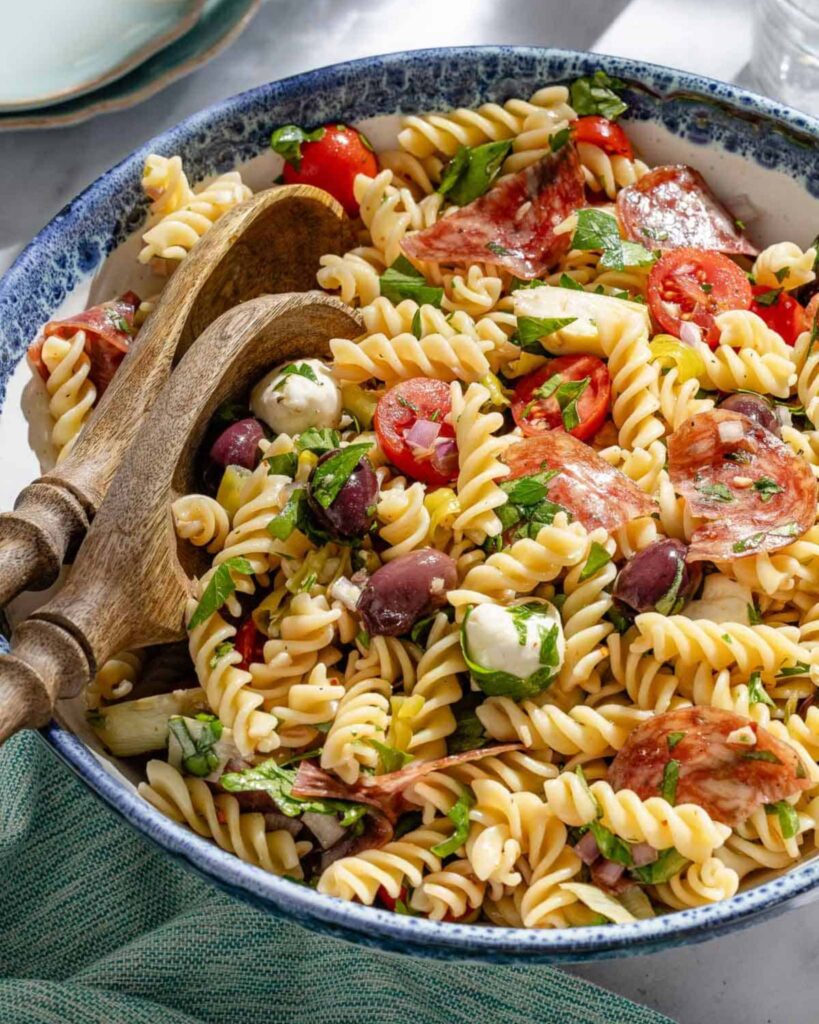
Get the Italian Pasta Salad with Fresh Herbs Recipe.
Italian pasta salad is a timeless favorite that perfectly embodies the spirit of simple yet flavorful summer cooking. It’s one of those dishes that feels familiar yet never boring, thanks to its endless variations. At its core, it’s all about combining cooked and cooled pasta with fresh, vibrant ingredients that bring both color and taste to the table.
The magic lies in the details. Al dente pasta provides the perfect base—firm enough to hold its shape while still absorbing flavors. Add-ins like cherry tomatoes, mozzarella balls, olives, and bell peppers create a medley of textures and tastes. Each ingredient plays a role, contributing either sweetness, saltiness, or crunch.
Fresh herbs are what truly set this dish apart. Basil, parsley, and oregano add aromatic notes that elevate the entire salad. They bring a sense of freshness that dried herbs simply can’t replicate. A drizzle of high-quality olive oil and a splash of vinegar ties everything together, creating a light yet flavorful dressing.
This salad is incredibly versatile. It can be served as a main dish or a side, and it pairs well with almost anything. Plus, it’s easy to prepare in large batches, making it perfect for gatherings or meal prep. It’s the kind of dish that gets better with time, as the flavors continue to develop and blend.
Cold Peanut Noodles with Vegetables
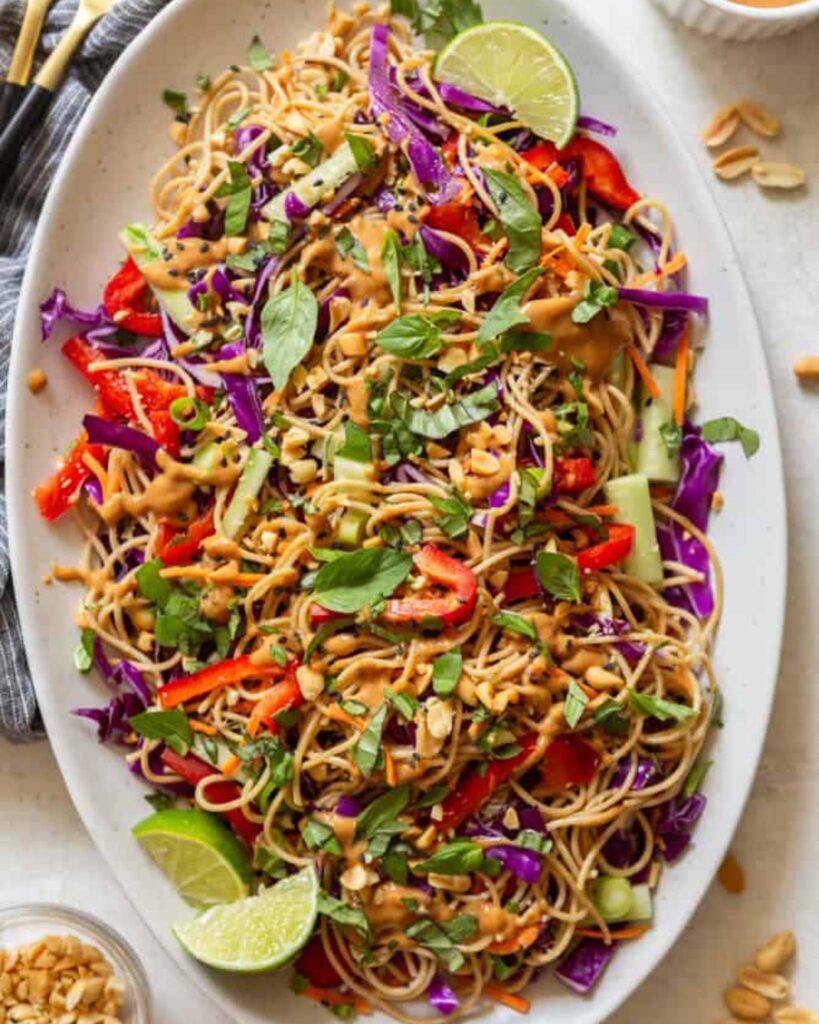
Get the Cold Peanut Noodles with Vegetables Recipe.
Cold peanut noodles offer a bold, satisfying option for those who crave something a little more indulgent without sacrificing freshness. This dish combines creamy, nutty flavors with crisp vegetables, creating a meal that’s both comforting and refreshing at the same time. It’s a perfect example of how cold meals can still deliver rich, complex tastes.
The noodles—whether wheat-based, rice noodles, or even spaghetti—serve as the foundation. Once cooled, they’re tossed in a peanut sauce made from ingredients like peanut butter, soy sauce, lime juice, garlic, and a touch of sweetness. The result is a sauce that’s creamy yet balanced, coating each strand of noodle evenly.
Vegetables play a crucial role here. Shredded carrots, sliced cucumbers, and bell peppers add crunch and freshness, preventing the dish from feeling too heavy. Fresh herbs like cilantro or green onions can add brightness, cutting through the richness of the sauce.
What makes this dish particularly appealing is its versatility. It can be made vegan, gluten-free, or protein-packed with the addition of tofu or chicken. It’s a meal that adapts to different preferences while maintaining its core appeal—bold flavor, satisfying texture, and refreshing coolness.
Asian Soba Noodle Salad
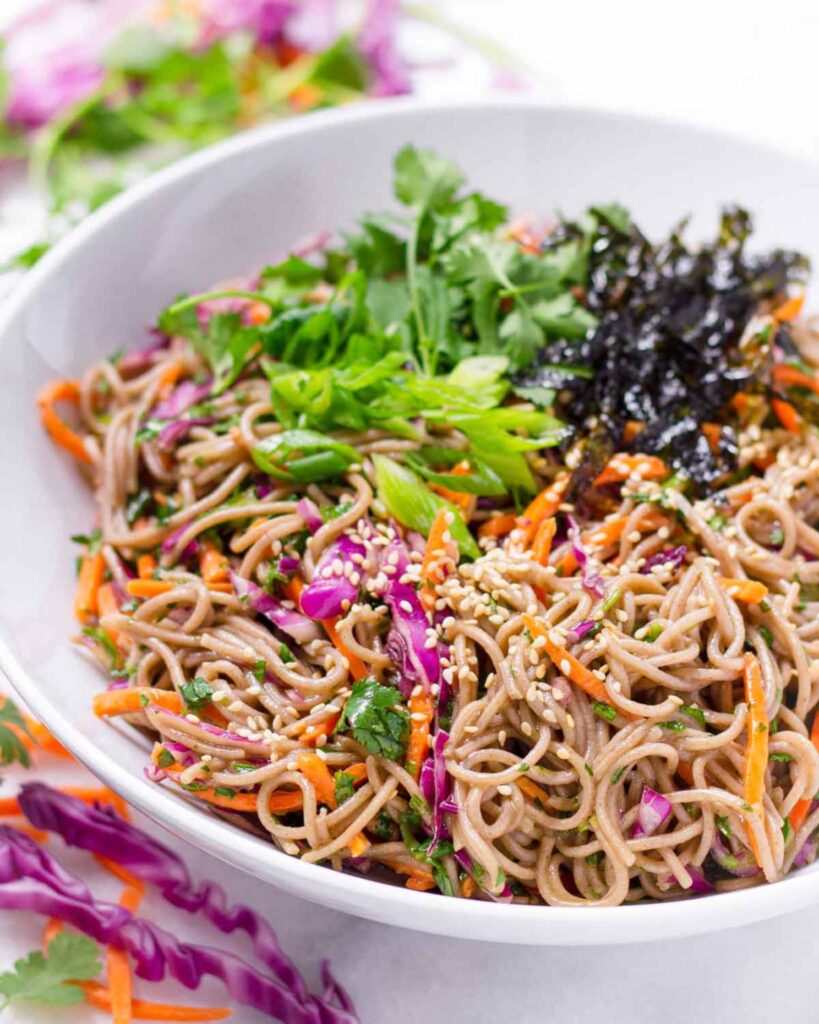
Get the Asian Soba Noodle Salad Recipe.
Soba noodle salad is a beautifully balanced dish that brings together lightness, nutrition, and subtle complexity. Made from buckwheat noodles, soba offers a slightly nutty flavor and a delicate texture that works perfectly in cold dishes. It’s a meal that feels refined yet approachable, making it ideal for summer dining.
The noodles are typically paired with a variety of fresh vegetables—think shredded cabbage, carrots, and cucumbers. These ingredients add crunch and color, creating a visually appealing dish that’s as enjoyable to look at as it is to eat. Protein options like grilled chicken, tofu, or even edamame can be added for extra substance.
The dressing is where everything comes together. A mixture of soy sauce, rice vinegar, sesame oil, and a hint of ginger creates a light, savory flavor profile that complements the noodles without overpowering them. It’s a delicate balance that keeps the dish refreshing and satisfying.
This salad is perfect for those who want something light yet filling. It’s easy to prepare, adaptable, and packed with nutrients, making it a go-to option for warm days when heavy meals just don’t appeal.
Light and Cooling Summer Soups
Cold soups might not be the first thing that comes to mind, but once we try them, they quickly become a staple of summer meal planning. These dishes are designed to refresh and hydrate while delivering concentrated flavors in a surprisingly satisfying way. Unlike traditional soups, they require no reheating—just chill and serve.
One of the biggest advantages of cold soups is their simplicity. Many recipes involve blending fresh ingredients into a smooth, flavorful mixture that can be prepared in minutes. This makes them ideal for busy days when we want something nutritious without spending too much time in the kitchen.
They’re also incredibly hydrating. Ingredients like tomatoes, cucumbers, and yogurt are naturally high in water content, helping to keep the body cool and refreshed. It’s like drinking a meal that actually fills you up.
Cold soups also offer a unique culinary experience. They challenge our expectations and introduce new textures and flavors that feel both modern and timeless. Once we embrace them, they become an essential part of staying cool and well-fed during the summer months.
Spanish Gazpacho
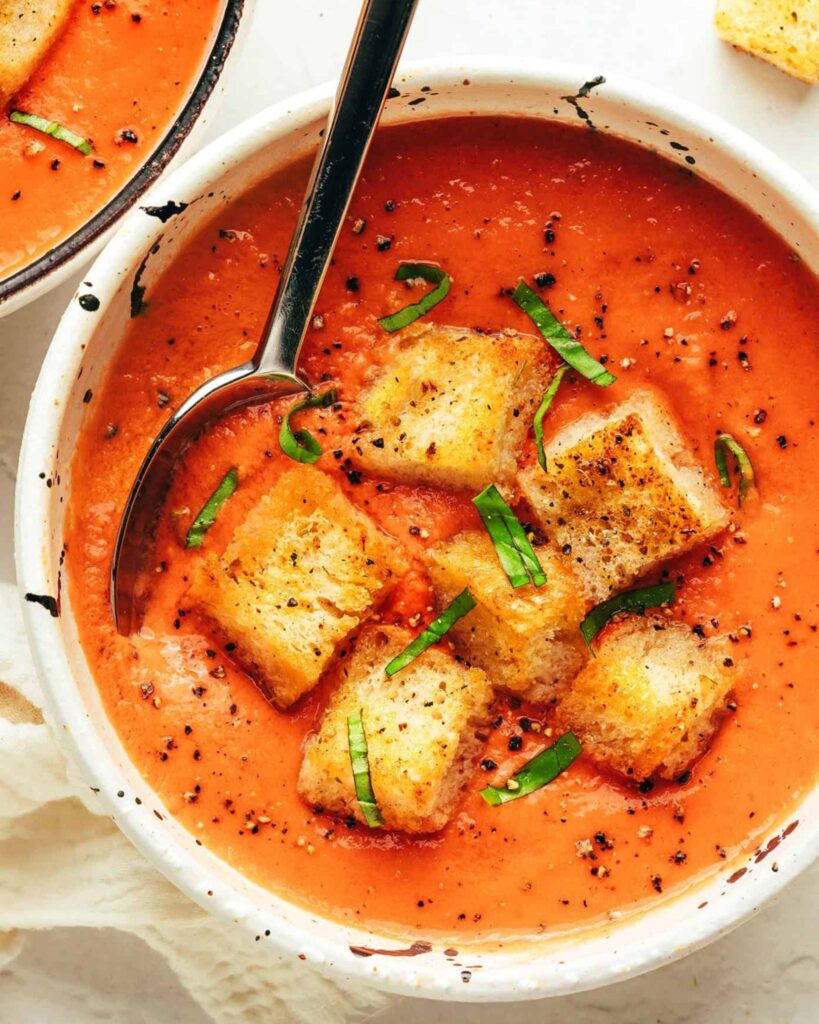
Get the Spanish Gazpacho Recipe.
Gazpacho is perhaps the most iconic cold soup, and for good reason. Originating from Spain, this dish is a celebration of fresh vegetables blended into a smooth, refreshing mixture that’s perfect for hot weather. It’s simple, yet incredibly flavorful.
The base typically includes ripe tomatoes, cucumbers, bell peppers, garlic, and olive oil. These ingredients are blended together with a splash of vinegar, creating a soup that’s tangy, slightly sweet, and deeply satisfying. Served chilled, it delivers an instant cooling effect that’s hard to match.
What makes gazpacho special is its balance. The acidity from the tomatoes and vinegar is offset by the richness of the olive oil, while the vegetables provide depth and texture. It’s a dish that feels both light and substantial at the same time.
Gazpacho can be served as an appetizer or a main dish, depending on portion size and accompaniments. Adding toppings like croutons or diced vegetables can enhance the texture, making each spoonful even more enjoyable.
Cucumber Yogurt Soup
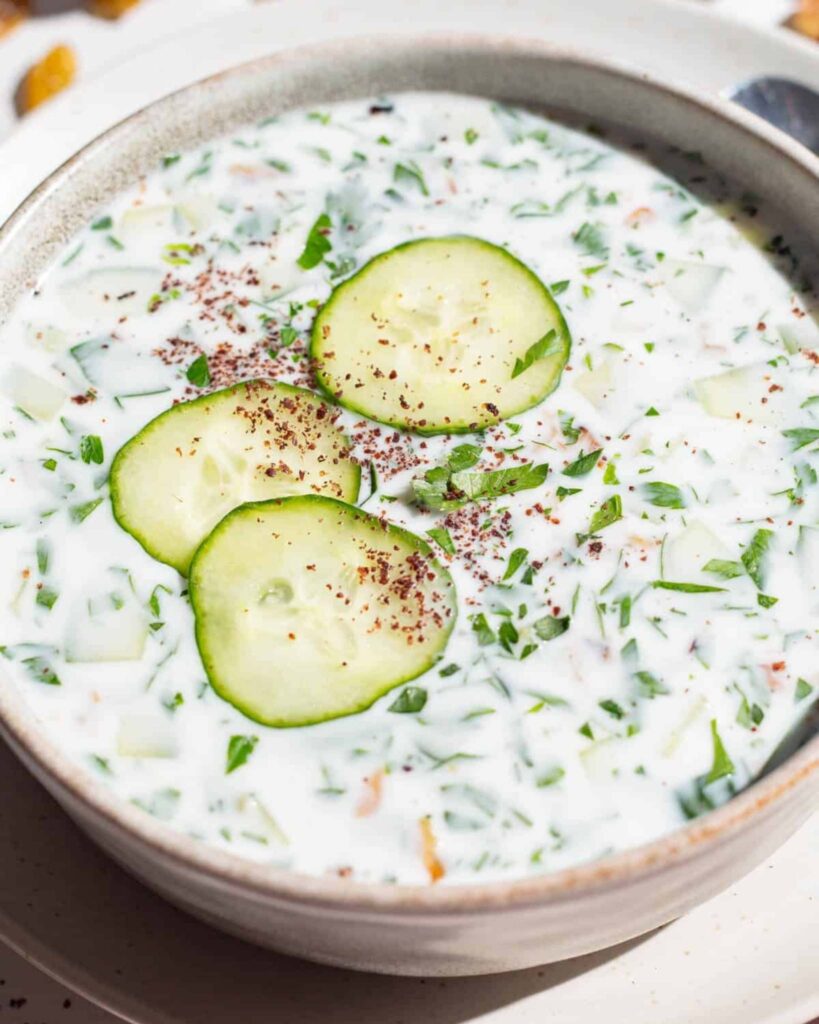
Get the Cucumber Yogurt Soup Recipe.
Cucumber yogurt soup is the definition of cooling comfort in a bowl. It’s light, creamy, and incredibly refreshing, making it perfect for those days when the heat feels overwhelming. The combination of cucumber and yogurt creates a soothing effect that’s both satisfying and revitalizing.
The preparation is simple—blend cucumbers with yogurt, garlic, lemon juice, and herbs like dill or mint. The result is a smooth, tangy soup that’s bursting with fresh flavor. It’s the kind of dish that feels almost therapeutic, offering relief from the heat with every spoonful.
This soup is also highly nutritious. Yogurt provides protein and probiotics, while cucumbers contribute hydration and essential vitamins. Together, they create a balanced meal that supports both digestion and overall well-being.
It can be served as a light meal or paired with bread or a side dish for something more filling. Either way, it’s a refreshing option that perfectly captures the essence of summer eating.
Creative Cold Meal Ideas for Variety
When the usual salads and wraps start to feel repetitive, that’s where creative cold summer meals step in to keep things exciting. Variety isn’t just about taste—it’s about maintaining interest in what we eat, especially during long, hot days when appetite can fluctuate. The key is to think beyond traditional meal structures and explore combinations that feel fresh, interactive, and visually appealing.
One of the easiest ways to introduce variety is by reimagining how meals are assembled. Instead of mixing everything into one bowl, we can separate components into sections, allowing each ingredient to shine on its own. This approach not only enhances presentation but also gives us control over flavors in every bite. It’s like building a meal piece by piece rather than consuming it all at once.
Textures also play a major role here. Combining crunchy, creamy, and juicy elements creates a more satisfying experience. For example, pairing crisp vegetables with smooth dips or tender proteins can transform a simple dish into something memorable. The contrast keeps each bite engaging, preventing that “same taste” fatigue.
Another aspect of creativity lies in global inspiration. Drawing ideas from different cuisines introduces new flavors and techniques without requiring complicated cooking methods. From Mediterranean platters to Asian-inspired wraps, there’s a whole world of no-cook meal ideas waiting to be explored.
Ultimately, these creative meals aren’t just about eating—they’re about enjoying the process. They encourage experimentation, making summer dining feel less like a routine and more like an experience.
Lettuce Wraps with Spicy Shrimp
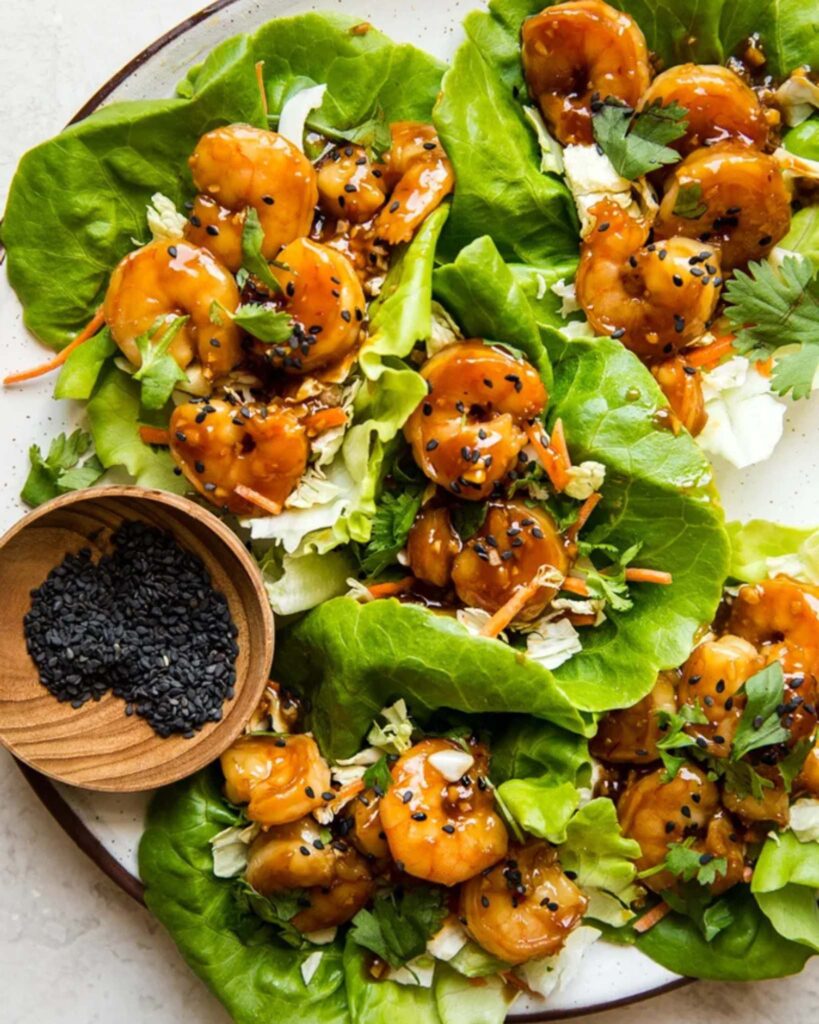
Get the Lettuce Wraps with Spicy Shrimp Recipe.
Lettuce wraps with spicy shrimp are a perfect example of how light, cold meals can still pack bold flavor. This dish replaces heavy bread or tortillas with crisp lettuce leaves, creating a refreshing base that enhances every other ingredient. The result is a meal that feels both indulgent and incredibly light at the same time.
The shrimp is the star here, typically cooked in advance and chilled before serving. Tossed in a spicy sauce—often made with chili, lime juice, garlic, and a touch of honey—it delivers a punch of flavor that contrasts beautifully with the coolness of the lettuce. Each bite offers a mix of heat, tanginess, and freshness that keeps things exciting.
Adding elements like shredded carrots, sliced cucumbers, and fresh herbs introduces texture and balance. These ingredients not only complement the shrimp but also prevent the dish from feeling too intense. A drizzle of a light sauce, such as a sesame or yogurt-based dressing, can tie everything together.
What makes lettuce wraps particularly appealing is their interactive nature. We can assemble them as we eat, customizing each wrap to suit our taste. It turns a simple meal into something engaging and fun, perfect for casual lunches or even social gatherings.
Hummus Veggie Bento Box
Get the Hummus Veggie Bento Box Recipe.
The hummus veggie bento box is a brilliant solution for those who want a balanced, no-cook meal that’s both convenient and satisfying. Inspired by the concept of compartmentalized meals, this approach allows us to combine a variety of ingredients without mixing them together, preserving their individual flavors and textures.
At the center of this meal is hummus—a creamy, protein-rich dip made from chickpeas. It acts as both a flavor enhancer and a source of sustenance, pairing perfectly with a range of fresh vegetables. Think carrot sticks, cucumber slices, bell peppers, and cherry tomatoes. Each bite becomes an opportunity to dip, mix, and enjoy different combinations.
To make the meal more filling, we can include additional components like pita bread, olives, boiled eggs, or even small portions of cheese. This transforms the bento box from a snack into a полноценное meal that covers all nutritional bases. The beauty lies in its flexibility—there’s no single “correct” way to assemble it.
This meal is particularly ideal for busy days or on-the-go situations. It requires minimal preparation, travels well, and offers a refreshing alternative to traditional packed lunches. Plus, it encourages mindful eating, as we engage with each component individually rather than rushing through a single dish.
Cold Quinoa Power Bowl
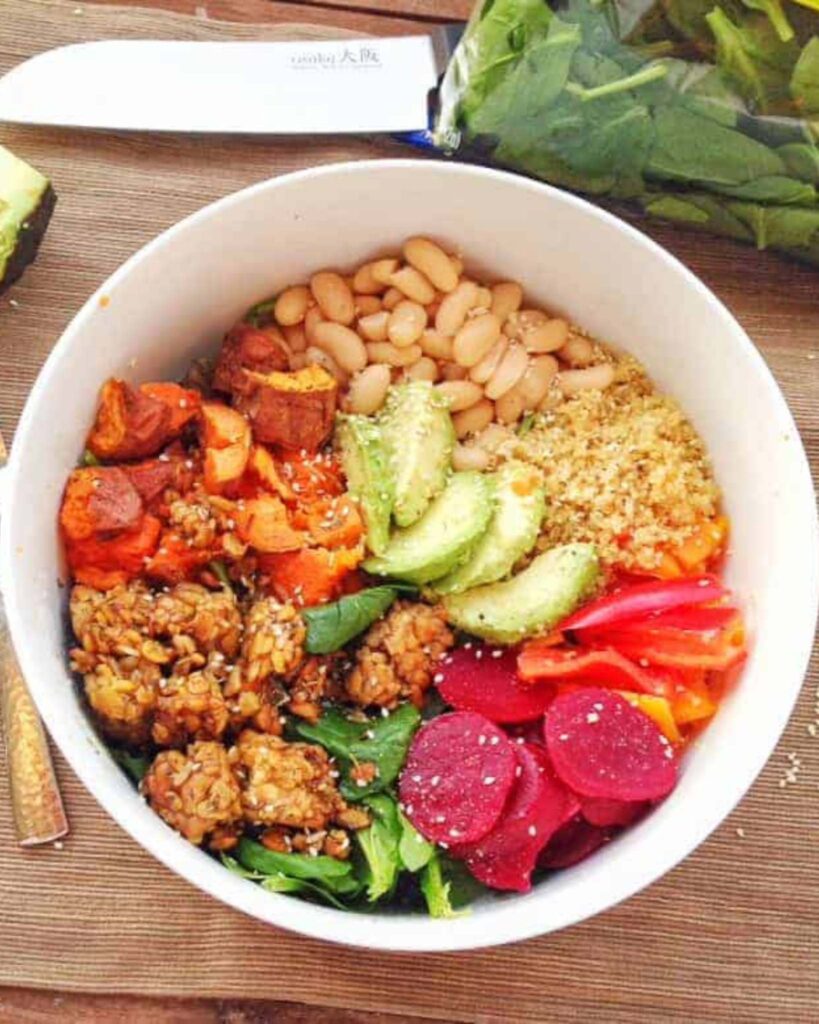
Get the Cold Quinoa Power Bowl Recipe.
The cold quinoa power bowl is where nutrition meets convenience in the most satisfying way possible. Quinoa, often referred to as a superfood, provides a complete source of protein along with essential nutrients like fiber, magnesium, and iron. When served cold, it becomes the perfect base for a refreshing yet hearty meal.
What makes this bowl stand out is its versatility. We can layer it with a wide range of ingredients—roasted vegetables (cooled, of course), fresh greens, avocado slices, and even fruits like mango or berries for a hint of sweetness. Each addition contributes to a balanced profile of flavors and textures.
The dressing plays a crucial role in bringing everything together. A light vinaigrette, a citrus-based sauce, or even a tahini dressing can elevate the dish without overpowering it. The goal is to enhance the natural flavors rather than mask them.
This bowl is perfect for meal prep, as it holds up well in the refrigerator and can be customized for different preferences. It’s filling without being heavy, making it ideal for maintaining energy levels throughout the day. In many ways, it represents the essence of modern summer eating—healthy, flexible, and deeply satisfying.
Caprese Salad with Balsamic Glaze
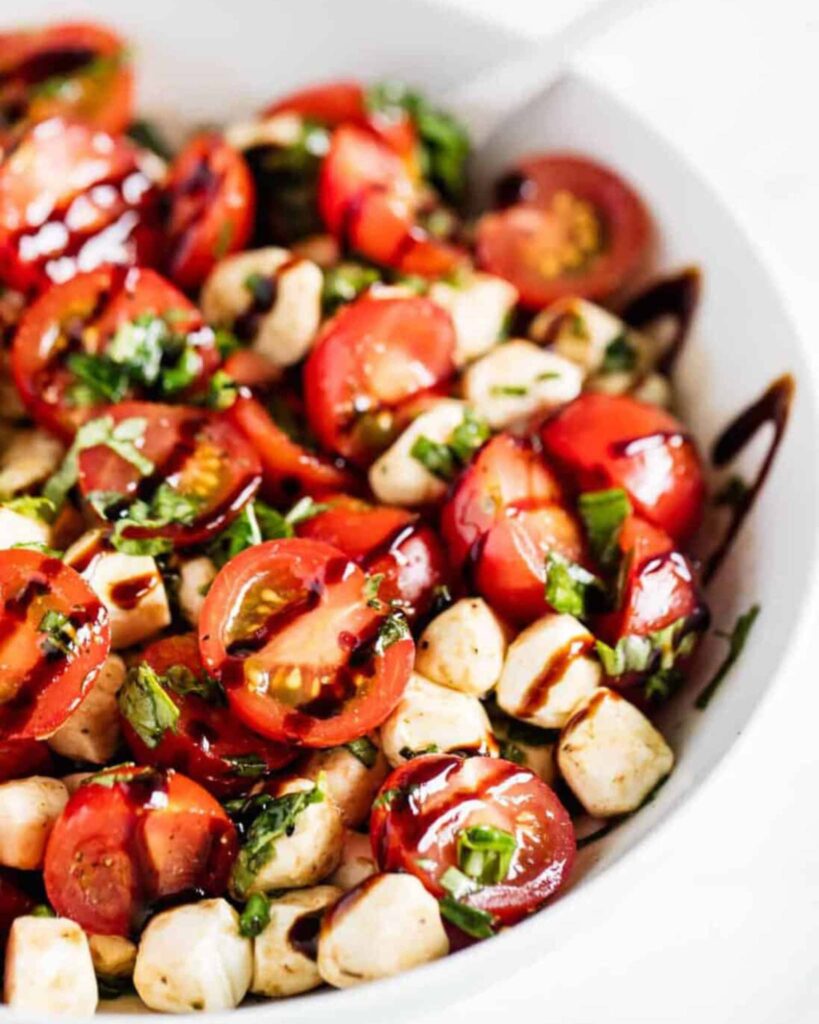
Get the Caprese Salad with Balsamic Glaze Recipe.
The Caprese salad stands as one of the most iconic cold summer meals, delivering bold flavor with minimal effort. Built around fresh mozzarella, ripe tomatoes, and aromatic basil leaves, this dish proves that simplicity can be incredibly powerful when the ingredients are high quality. Each bite offers a balance of creamy, juicy, and herbaceous notes that feel light yet satisfying.
What truly elevates this dish is the addition of a rich balsamic glaze, which introduces a subtle sweetness and tangy depth. When paired with a drizzle of extra virgin olive oil, it enhances both texture and flavor, creating a smooth, well-rounded finish. The contrast between the soft mozzarella and firm tomatoes adds a pleasant mouthfeel that keeps every bite interesting.
This meal is perfect for hot afternoons when cooking feels like a chore. It requires no heat, comes together in minutes, and still feels elegant enough to serve at gatherings. Whether enjoyed as a main dish or alongside other cold plates, it consistently delivers freshness and satisfaction.
Cold Smoked Salmon Bagel Plate
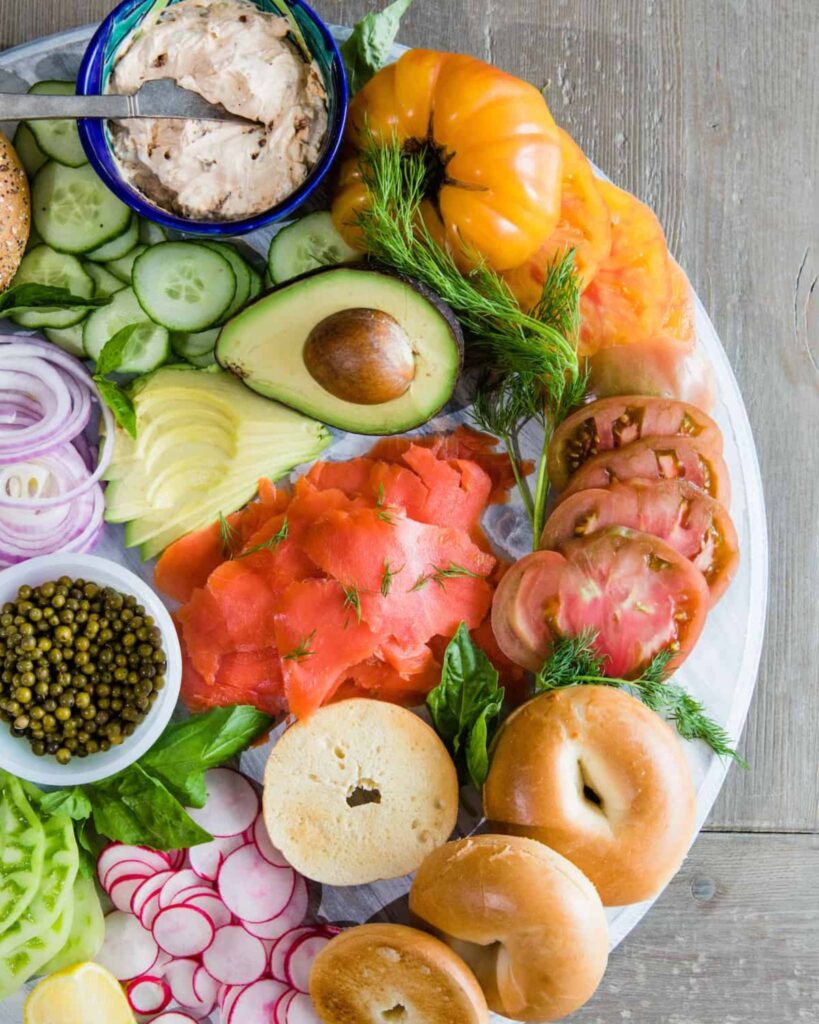
Get the Cold Smoked Salmon Bagel Plate Recipe.
For those craving something slightly more indulgent, the cold smoked salmon bagel plate offers a perfect blend of richness and refreshment. This dish layers flavors and textures in a way that feels both comforting and sophisticated, making it ideal for brunches or light dinners.
Start with a fresh bagel spread generously with cream cheese. Add thin slices of smoked salmon, followed by toppings like capers, red onion, cucumber, and fresh dill. Each component contributes a distinct flavor—salty, creamy, crisp, and herbaceous—creating a balanced and dynamic bite.
A squeeze of lemon juice enhances the overall profile, cutting through the richness and adding brightness. The beauty of this dish lies in its flexibility; it can be customized with extras like avocado or microgreens for added nutrition and flavor.
This no-cook meal is not only delicious but also protein-rich and highly satisfying, making it a valuable addition to any summer meal rotation.
Chilled Mango Avocado Rice Bowl
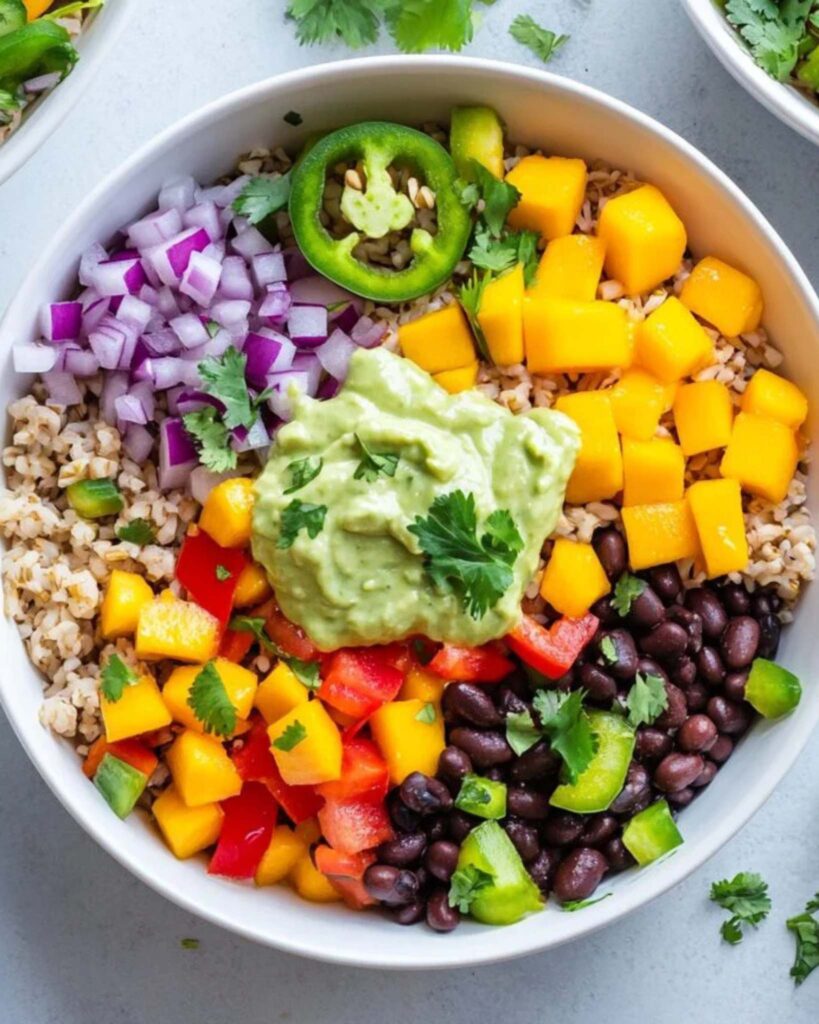
Get the Chilled Mango Avocado Rice Bowl Recipe.
The chilled mango avocado rice bowl brings a vibrant, tropical twist to cold summer meal ideas. Combining creamy avocado with sweet, juicy mango over a bed of cooled rice, this dish creates a harmony of flavors that feels both refreshing and filling.
The rice acts as a neutral base, allowing the natural sweetness of the mango and the richness of the avocado to stand out. Together, they create a balance that is both light and energizing. The textures also play a key role—soft rice, buttery avocado, and juicy mango create a satisfying contrast.
To enhance the dish, a light dressing made from lime juice, soy sauce, and a touch of honey can be drizzled over the top. This adds a tangy, slightly savory kick that complements the sweetness perfectly. Additional toppings like shredded carrots, cucumbers, or cold grilled chicken can make the bowl even more substantial.
This recipe is ideal for those looking to break away from traditional salads while still enjoying a cool, nutrient-dense meal during hot weather.
Sweet and Savory Cold Meal Combos
Sometimes, the most memorable meals come from unexpected combinations. Sweet and savory cold meals offer a unique balance that keeps our taste buds engaged while providing a refreshing dining experience. These combinations work particularly well in summer, when lighter, more dynamic flavors are often preferred.
The idea is to pair ingredients that contrast yet complement each other. Sweet fruits can balance salty cheeses, while creamy elements can soften sharp or tangy flavors. This interplay creates a complexity that’s both satisfying and refreshing.
These meals also tend to be visually appealing, featuring vibrant colors and varied textures. This isn’t just about aesthetics—it actually enhances the eating experience, making the meal feel more enjoyable and indulgent.
Incorporating both sweet and savory elements can also help satisfy different cravings in one sitting. Instead of choosing between a light snack and something more filling, we get the best of both worlds in a single dish.
Fruit and Cheese Platters
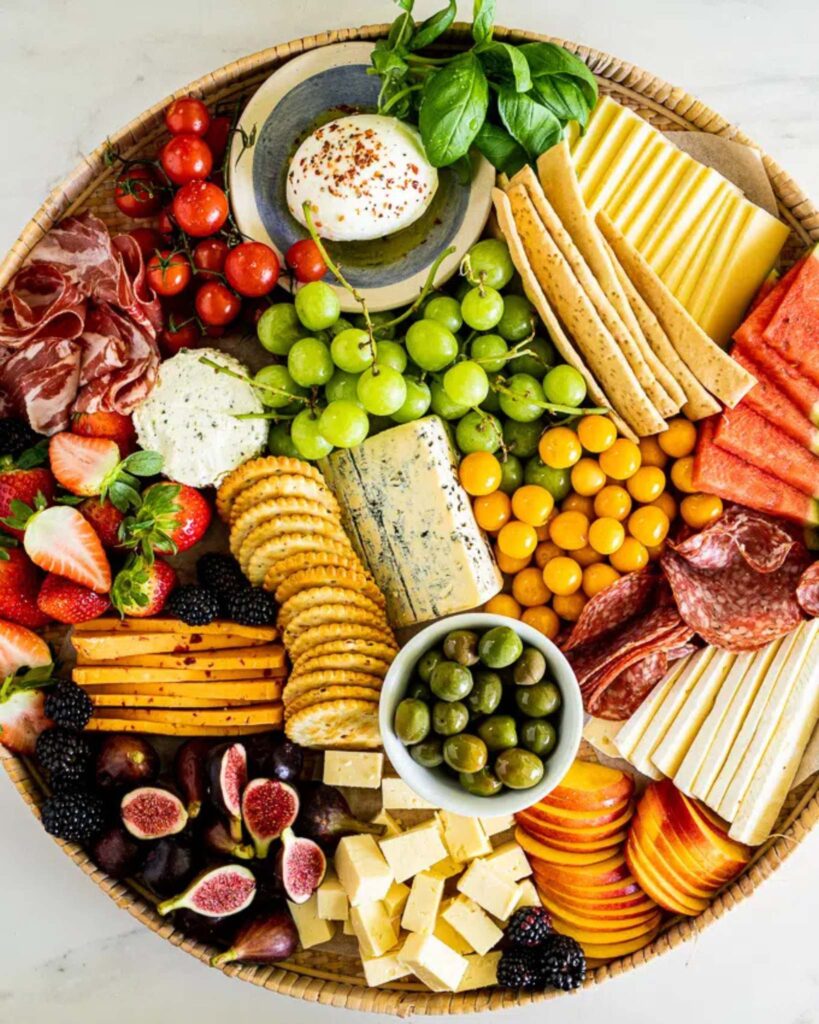
Get the Fruit and Cheese Platters Recipe.
Fruit and cheese platters are the epitome of effortless elegance in cold summer dining. They require minimal preparation yet deliver maximum impact, making them perfect for both casual meals and entertaining guests. The combination of sweet fruits and savory cheeses creates a balance that feels indulgent without being heavy.
A well-constructed platter typically includes a variety of textures and flavors. Soft cheeses like brie or goat cheese pair beautifully with juicy fruits like grapes, berries, or sliced peaches. Hard cheeses like cheddar or parmesan add a sharper contrast, enhancing the overall experience.
Adding elements like nuts, honey, or crackers can elevate the platter even further. These components introduce crunch and additional layers of flavor, turning a simple arrangement into a полноценное meal.
What makes this option so appealing is its flexibility. We can customize it based on personal preferences or seasonal availability, ensuring it always feels fresh and exciting. It’s a reminder that sometimes, the simplest meals are the most satisfying.
Smoothie Bowls as Full Meals
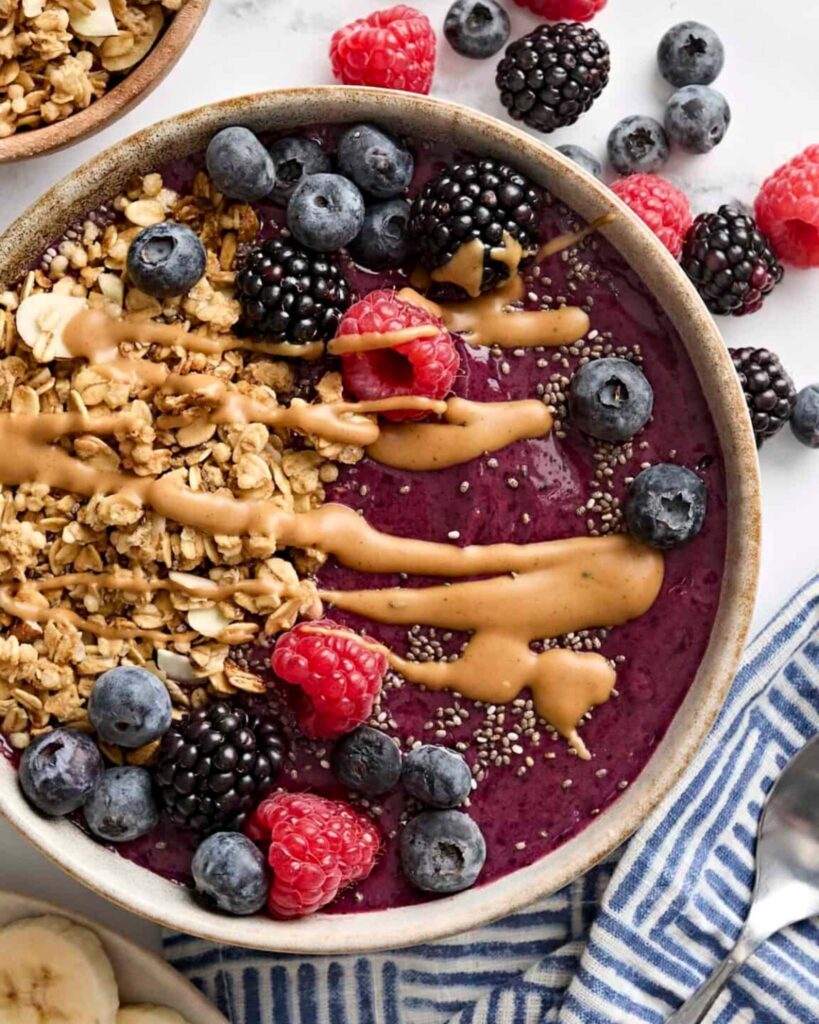
Get the Smoothie Bowls as Full Meals Recipe.
Smoothie bowls take the concept of a drink and transform it into a complete, spoonable meal that’s both refreshing and nourishing. Unlike traditional smoothies, these are thicker and topped with a variety of ingredients that add texture and substance.
The base is typically made from blended fruits, such as bananas, berries, or mangoes, combined with yogurt or plant-based milk. This creates a creamy, naturally sweet foundation that’s packed with vitamins and antioxidants.
What sets smoothie bowls apart are the toppings. Granola, nuts, seeds, coconut flakes, and fresh fruit slices add crunch and variety, making each bite more interesting. These additions also boost the nutritional value, turning a simple smoothie into a balanced meal.
Smoothie bowls are perfect for breakfast or light lunches during hot days. They’re quick to prepare, highly customizable, and incredibly satisfying. Most importantly, they provide a refreshing way to stay nourished without feeling weighed down.
Tips to Build Your Own Cold Summer Meals
Creating your own cold summer meals doesn’t have to be complicated. In fact, some of the best dishes come from simple combinations of fresh ingredients assembled with intention. The key is understanding how to balance flavors, textures, and nutrients in a way that feels both satisfying and refreshing.
Start by choosing a base—this could be greens, grains, noodles, or even a wrap. From there, add a protein source, such as chicken, tofu, beans, or seafood. This ensures the meal is filling and provides sustained energy.
Next, focus on variety. Include a mix of crunchy, creamy, and juicy elements to keep the meal interesting. Vegetables, fruits, nuts, and seeds all play a role here. Finally, bring everything together with a dressing or sauce that enhances the flavors without overpowering them.
By following these simple principles, we can create endless variations of cold meals that never feel repetitive. It’s about building meals that suit our tastes while keeping us cool and energized.
Balancing Macronutrients
A truly satisfying meal isn’t just about taste—it’s about how it fuels the body. Balancing macronutrients—proteins, carbohydrates, and fats—is essential for creating cold meals that keep us energized throughout the day. Without this balance, even the most delicious dish can leave us feeling hungry or sluggish shortly after eating.
Protein provides satiety and supports muscle function, making it a crucial component of any meal. Carbohydrates, especially from whole sources like grains and fruits, offer quick and sustained energy. Healthy fats, found in ingredients like avocado, nuts, and olive oil, add richness and help with nutrient absorption.
The goal is to combine these elements in a way that feels natural and enjoyable. For example, a quinoa bowl with vegetables and avocado or a salad with chicken and a light dressing can provide a well-rounded nutritional profile.
By paying attention to this balance, we ensure that our meals are not only refreshing but also truly nourishing.
Smart Ingredient Pairings
The difference between a good meal and a great one often comes down to how ingredients are paired. Smart combinations can elevate even the simplest dishes, turning them into something memorable and satisfying.
One effective approach is to balance flavors—pairing sweet with salty, tangy with creamy, or spicy with cool. These contrasts create depth and keep the palate engaged. For instance, combining watermelon with feta or adding citrus to avocado can transform a dish entirely.
Texture is another important factor. Mixing crunchy vegetables with soft proteins or creamy dressings creates a more dynamic eating experience. It prevents monotony and makes each bite more enjoyable.
By experimenting with different pairings, we can discover new combinations that suit our preferences. It’s a process of exploration that keeps summer meals exciting and far from routine.
Conclusion
Cold summer meals offer a perfect blend of refreshment, convenience, and nutrition, making them an essential part of warm-weather living. From vibrant salads and protein-packed bowls to creative wraps and sweet-savory combinations, there’s no shortage of options to explore. These meals not only help us stay cool but also keep us energized and satisfied without the heaviness of traditional hot dishes.
By focusing on fresh ingredients, balanced flavors, and thoughtful combinations, we can transform simple components into meals that feel both indulgent and nourishing. Whether we’re preparing a quick lunch or planning a gathering, cold meals provide flexibility and creativity that make summer dining truly enjoyable.
FAQs
1. What are the best foods to eat during hot summer days?
The best foods include high-water-content ingredients like cucumbers, watermelon, and leafy greens, along with lean proteins and light grains that are easy to digest and help keep the body cool.
2. Can cold meals be as filling as hot meals?
Yes, when properly balanced with protein, healthy fats, and carbohydrates, cold meals can be just as satisfying and sustaining as hot meals.
3. Are cold summer meals healthy?
Most cold meals are highly nutritious, especially when made with fresh, whole ingredients. They often retain more vitamins and minerals compared to heavily cooked dishes.
4. How can we add more protein to cold meals?
We can include ingredients like grilled chicken, tuna, tofu, beans, Greek yogurt, or boiled eggs to increase protein content without adding heaviness.
5. What is the easiest cold meal to prepare quickly?
Simple options like wraps, salads, or hummus veggie boxes are quick to assemble and require little to no cooking, making them ideal for busy days.
More Recipe
25 Pool Party Snacks and Dips for the Ultimate Summer Bash
22 Summer Side Dishes That Steal the Show at Every BBQ
27 Sheet Pan Meals for Busy Weeknights with Minimum Cleanup
21 Toothpick Appetizers That Turn Simple Bites Into Crowd Pleasers