Bring the ultimate German celebration to your home with 17 authentic Oktoberfest recipes for a true Bavarian feast. Whether you are craving giant soft pretzels (Brezen), juicy bratwurst with sauerkraut, crispy chicken schnitzel, or a tender roasted pork knuckle (Schweinshaxe), classic Bavarian dishes deliver unforgettable flavor right to your kitchen.
With simple ingredients like potatoes, cabbage, mustard, and warming spices, you can easily prepare traditional sides such as Käsespätzle, German potato salad, and braised red cabbage. From hearty savory dishes to sweet treats like apple strudel, these easy, traditional Oktoberfest recipes will help you build an incredible Bavarian menu for your family and friends.
What Makes an Oktoberfest Recipe Authentic?
Oktoberfest food is all about hearty Bavarian cooking, comforting textures, simple ingredients, and big flavors. While modern celebrations around the world may include plenty of German-inspired dishes, the foods most closely associated with Munich’s Oktoberfest include soft pretzels, roast chicken, pork knuckle, sausages, potato dishes, sauerkraut, and Bavarian cheese spreads. Current Oktoberfest food guides continue to highlight Hendl, Brezen, Schweinshaxe, bratwurst, and other traditional favorites as staples of the festival experience.
Authenticity does not mean every dish has to be difficult or require ingredients that are impossible to find. In fact, many classic German recipes rely on humble pantry staples such as potatoes, cabbage, onions, mustard, flour, butter, pork, chicken, and herbs. The magic comes from how those ingredients are prepared. A crispy pretzel gets its distinctive crust from a baking-soda bath, while German potato salad gets its bright flavor from vinegar and mustard rather than a heavy mayonnaise dressing. That combination of straightforward ingredients and careful cooking is exactly what makes an Oktoberfest table feel rustic, generous, and inviting.
The Essential Bavarian Ingredients
If you want your meal to taste like an Oktoberfest celebration rather than an ordinary fall dinner, keep a few ingredients nearby. German mustard, sauerkraut, caraway seeds, potatoes, cabbage, sausages, pretzels, onions, butter, and fresh herbs are especially useful. Beer is also frequently incorporated into savory recipes, although you can easily choose nonalcoholic beer or broth when preferred. GermanFoods.org’s Oktoberfest collection includes classics ranging from Bavarian pretzels and bratwurst in beer to potato salads, spaetzle, roast chicken, pork dishes, and traditional desserts.
The other secret is balance. Oktoberfest food tends to be rich, so tangy sauerkraut, pickled vegetables, mustard, vinegar-based salads, and crisp cabbage provide welcome contrast. Think of the meal as a band rather than a solo performance: sausages and roasted meats bring the deep notes, potatoes and dumplings provide comfort, mustard and fermented cabbage add brightness, and desserts finish everything with sweetness. Once you understand that balance, putting together an authentic Oktoberfest menu becomes much easier.
17 Authentic Oktoberfest Recipes to Try
1. Bavarian Soft Pretzels
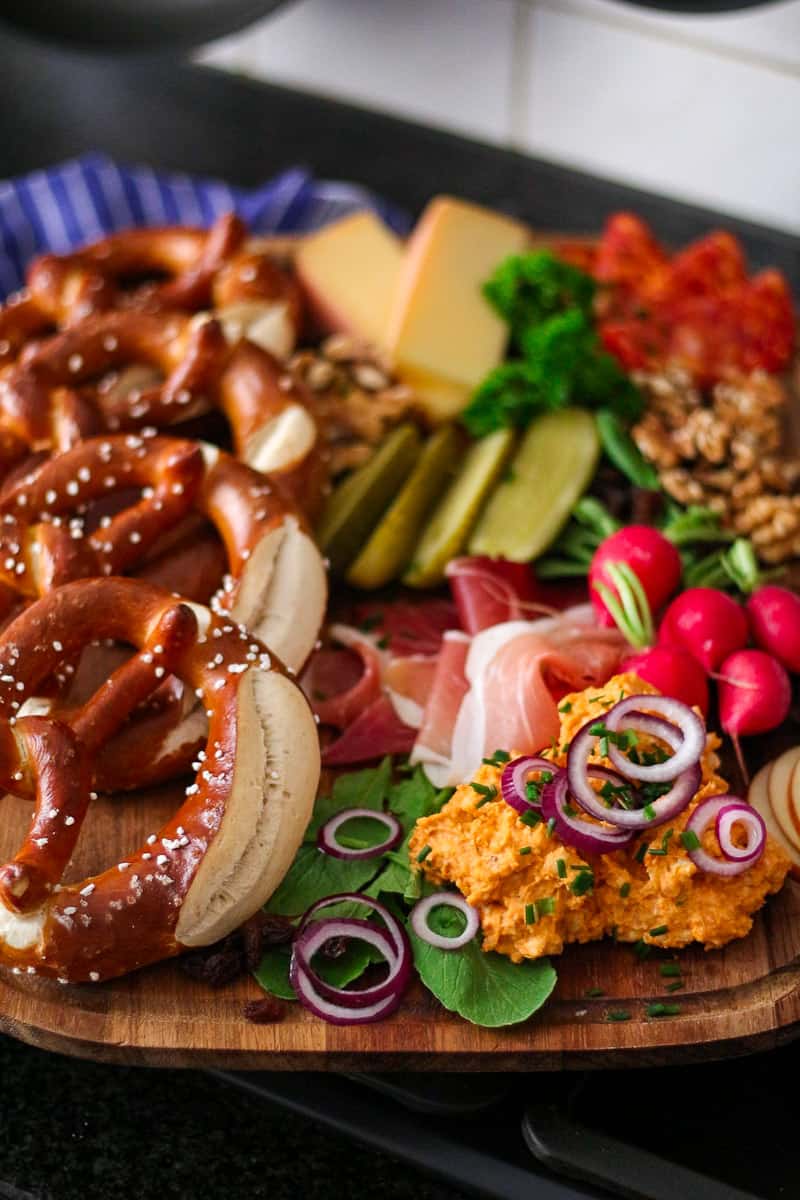
Few foods announce Oktoberfest more clearly than a giant, warm Bavarian pretzel. Traditional soft pretzels have a deeply browned, slightly chewy exterior with a soft center, and the coarse salt scattered across the surface adds just the right savory bite. They are especially good served warm with mustard, Obatzda, or another creamy cheese dip. Food Network’s current Oktoberfest collection also places soft pretzels among the classic foods worth making at home, describing the familiar process of dipping yeasted dough in a baking-soda bath before baking.
To make them, prepare a simple yeast dough with flour, yeast, water, salt, and a little sugar. Let the dough rise until puffy, then divide it into portions and roll each one into a long rope before twisting it into the classic pretzel shape. After a brief baking-soda bath, transfer the pretzels to a baking sheet, sprinkle generously with coarse salt, and bake until beautifully browned. Serve them fresh because that is when their texture is at its best. If you’re hosting a party, you can shape the pretzels earlier in the day and bake them shortly before guests arrive.

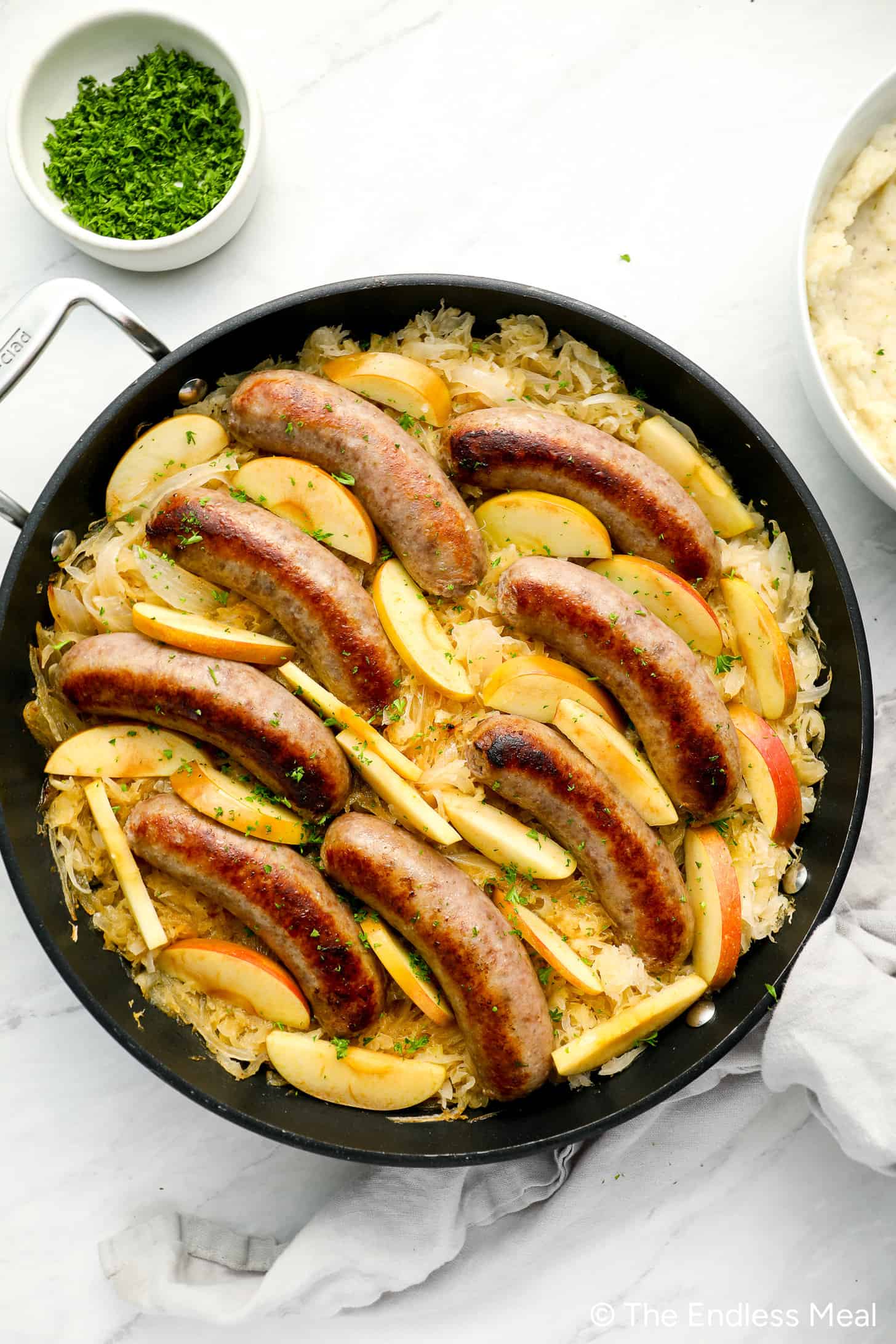
2. Bratwurst with Sauerkraut
Bratwurst and sauerkraut are practically made for an Oktoberfest table. The juicy sausage provides rich, savory flavor while tangy fermented cabbage cuts through that richness and keeps every bite interesting. Traditional German cooking often pairs sausages with cabbage and mustard, making this one of the easiest ways to create a hearty festival-style dinner without preparing several complicated dishes.
Start by browning bratwurst in a skillet so the outside develops a flavorful crust. Remove the sausages briefly, then cook sliced onions until soft and golden. Add sauerkraut, a little caraway, and your choice of beer or broth, then return the bratwurst to the pan and allow everything to simmer gently. Current Oktoberfest recipe collections regularly feature bratwurst with sauerkraut as a classic beer-friendly combination. Serve it with crusty bread, pretzels, or German potato salad for a simple meal that feels much more festive than an ordinary sausage dinner.
3. Obatzda Bavarian Cheese Spread
If you’re looking for an appetizer that feels genuinely Bavarian, Obatzda deserves a place on your menu. This creamy cheese spread is traditionally made with soft cheese, butter, paprika, onions, and seasonings, and it is commonly enjoyed with pretzels and bread. Food Network’s current Oktoberfest coverage specifically identifies Obatzda as a Bavarian specialty and describes versions combining Camembert or Brie with butter, wheat beer, paprika, caraway, onion, and chives.
The recipe is wonderfully forgiving, which makes it perfect for entertaining. Mash softened Camembert or Brie with butter until creamy, then mix in paprika, finely chopped onion, caraway, and a little beer if desired. Season it to taste and let it chill for a while so the flavors can blend. Before serving, bring it closer to room temperature and scatter fresh chives over the top. Put the spread beside a basket of warm pretzels and watch how quickly it disappears.
4. Schweinshaxe Pork Knuckle
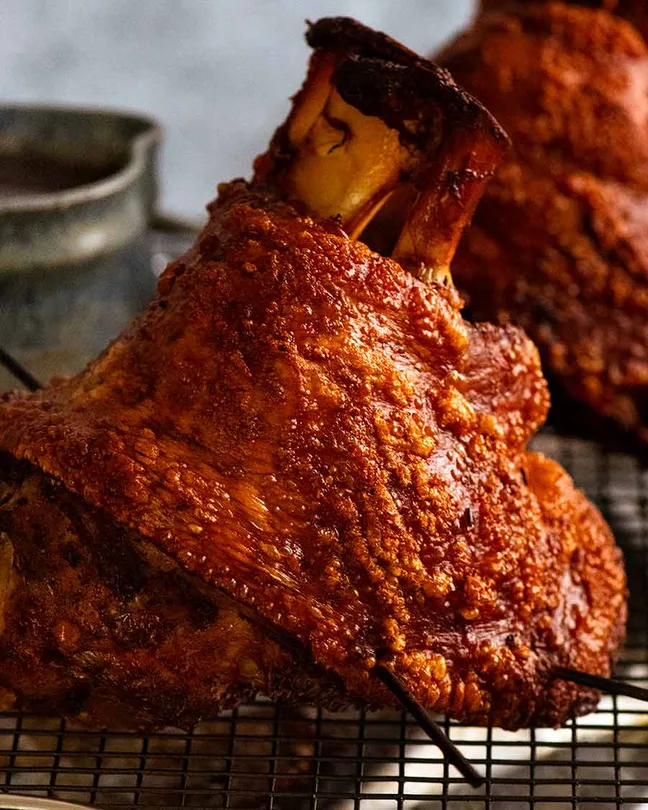
For a dramatic centerpiece, few dishes can compete with Schweinshaxe, the Bavarian-style roasted pork knuckle. The goal is simple: incredibly tender meat underneath and a crackling, deeply browned exterior on top. It is one of the signature hearty dishes associated with Bavarian food, and contemporary Oktoberfest guides continue to list pork knuckle among the festival’s traditional specialties.
This recipe rewards patience. Season the pork generously, then roast it slowly enough for the connective tissue to become tender before increasing the heat toward the end to crisp the skin. Serve the pork with potato dumplings, sauerkraut, or braised red cabbage to create a substantial plate. You do not need many additional dishes because the pork knuckle naturally becomes the star of the meal. If you’re feeding a crowd, slice the tender meat and serve it family-style with plenty of mustard and pan juices.
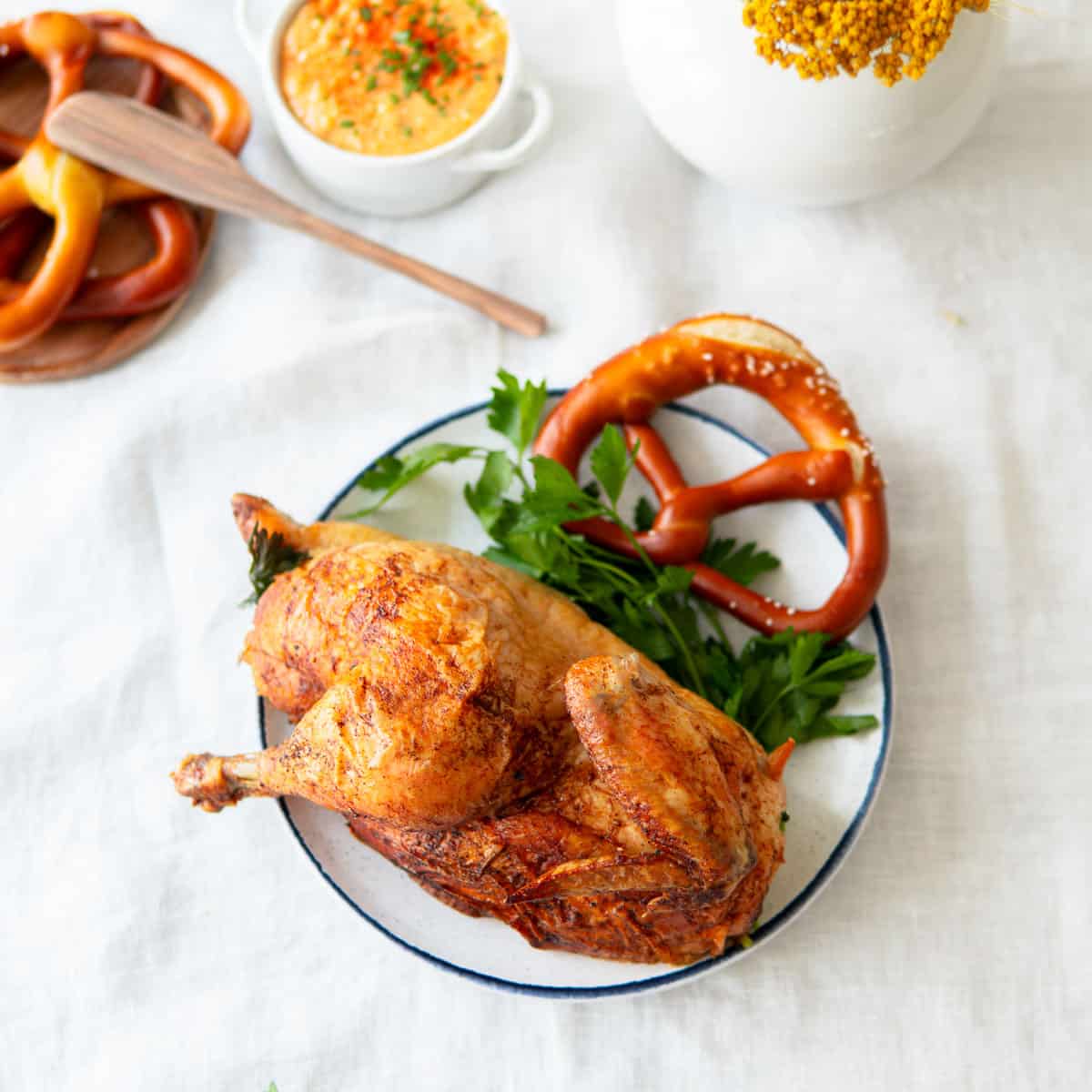
5. Oktoberfest Roast Chicken
Oktoberfest roast chicken, or Hendl, is one of the most recognizable festival foods in Munich. A current Oktoberfest food guide describes the half roast chicken as a classic dish served throughout the festival tents, valued for its crispy exterior and juicy meat. This is a wonderful choice when you want something traditional but less heavy than pork knuckle.
For a simple version, pat chicken dry and season it generously with salt, pepper, paprika, and herbs. Roast it until the skin is deeply golden and crisp while the meat remains juicy. Basting occasionally with butter or pan juices can add even more flavor and help develop a beautiful finish. Serve the chicken with potato salad, sauerkraut, pretzels, or roasted potatoes. The result is comforting, familiar, and perfect for a cool fall gathering.
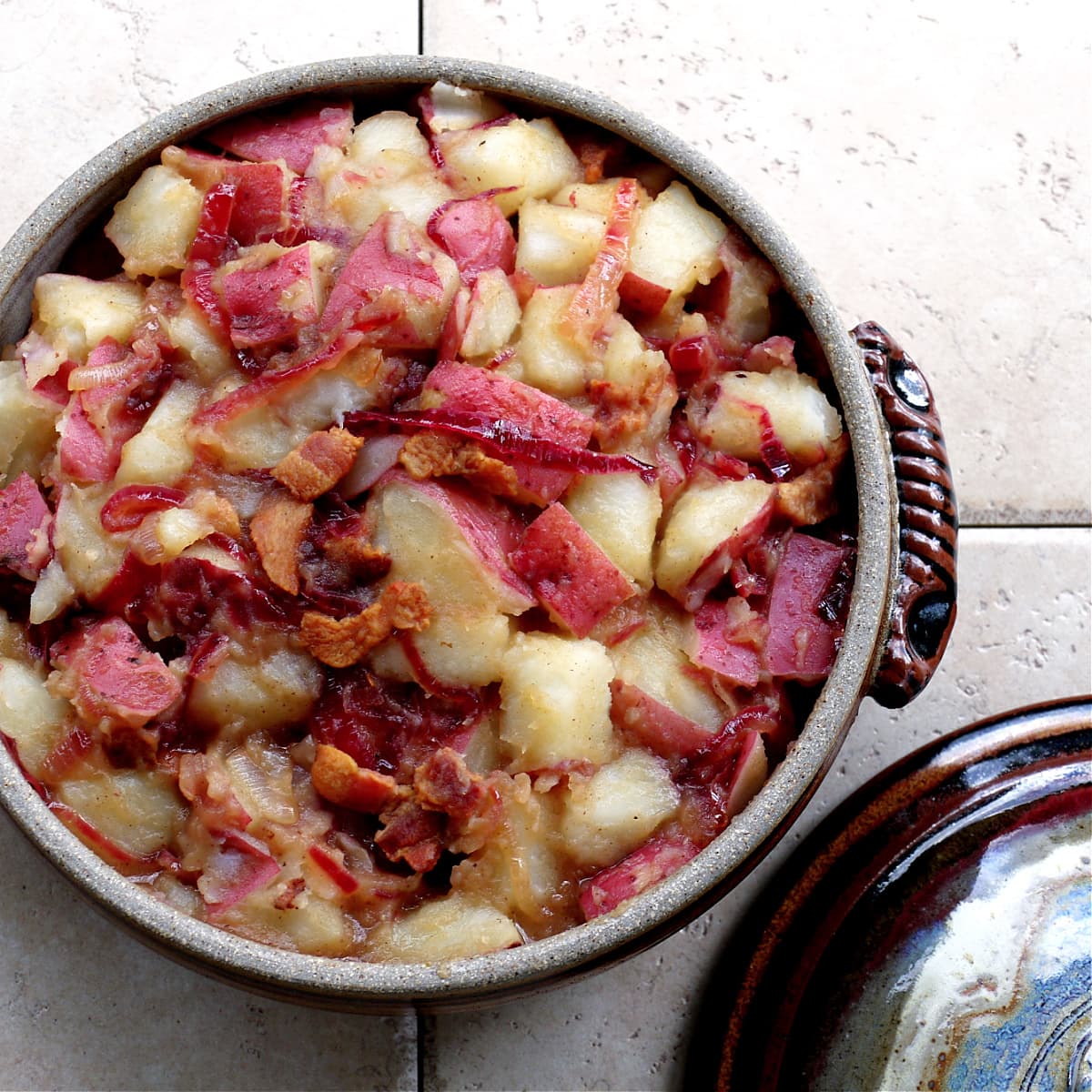
6. German Potato Salad
Forget the creamy deli-style potato salad for a moment and try German potato salad instead. The classic German approach often uses warm potatoes with vinegar, mustard, onions, herbs, and sometimes bacon, creating a tangy side dish that pairs beautifully with rich meats. Food Network’s current Oktoberfest recipes highlight a warm German potato salad built around potatoes, bacon, vinegar, grainy mustard, pickle brine, scallions, and parsley.
The key is dressing the potatoes while they are still warm because they absorb the vinaigrette much better. Boil waxy potatoes until tender, slice them carefully, and toss them with sautéed onions and bacon if using. Whisk together vinegar, mustard, a little bacon fat, and seasoning, then pour the dressing over the warm potatoes. Finish with fresh parsley or scallions. The sharp dressing provides exactly the kind of contrast that an Oktoberfest plate needs.
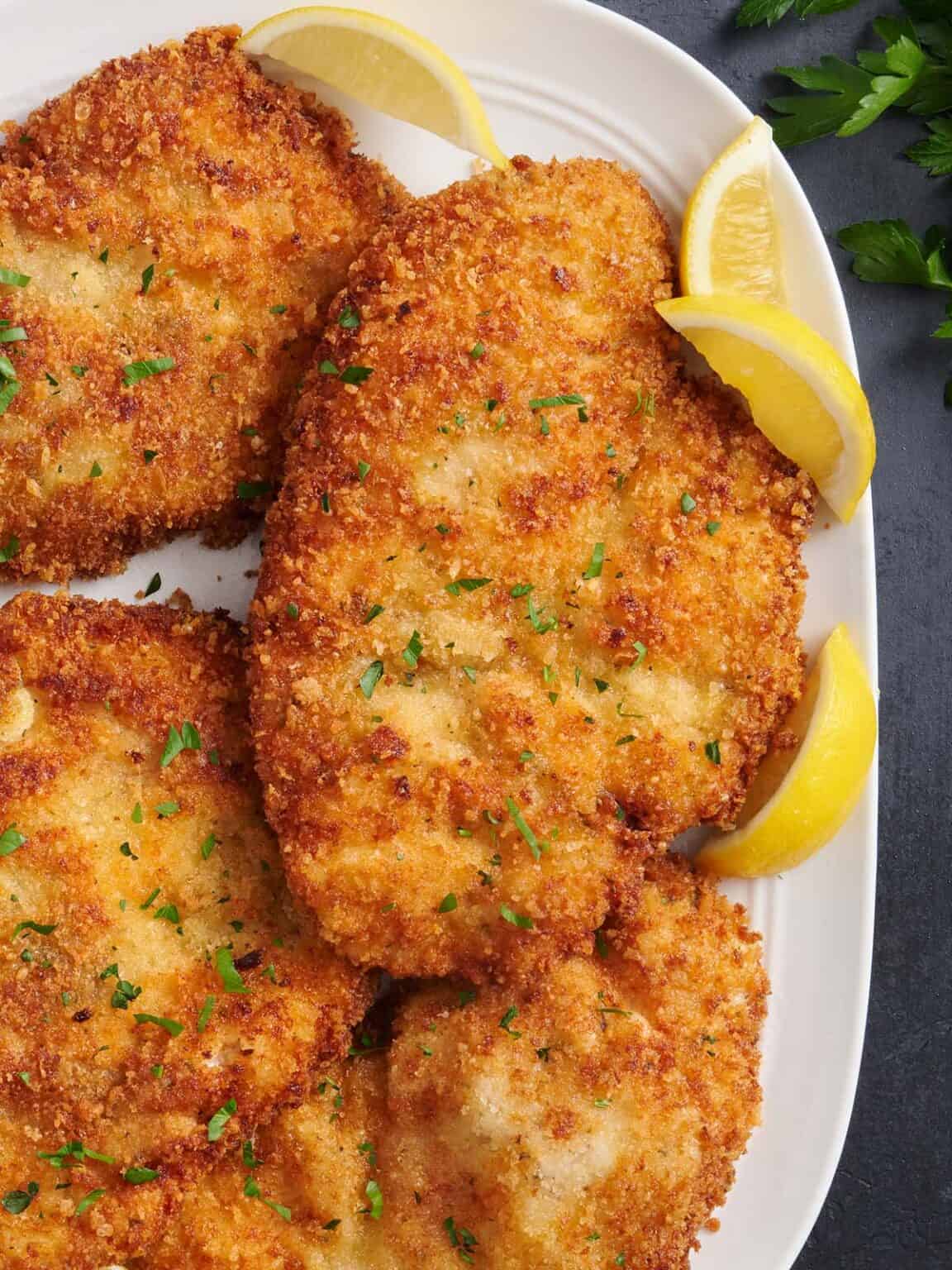
7. Chicken Schnitzel
Chicken schnitzel gives you all the crispiness of classic schnitzel while using chicken instead of veal. Thin chicken cutlets are coated in flour, egg, and breadcrumbs before being quickly fried until golden. Although Wiener Schnitzel is technically Austrian, the dish is closely associated with German-speaking Central European cuisine and is frequently included in Oktoberfest recipe collections.
For the best texture, pound the chicken evenly so it cooks quickly and remains tender. Set up three shallow dishes for flour, beaten egg, and breadcrumbs, then coat each cutlet thoroughly. Fry in enough oil or clarified butter to allow the schnitzel to become crisp without steaming. Finish with fresh lemon and serve immediately. Pair it with German potato salad, cucumber salad, or braised cabbage for a plate that feels both festive and familiar.
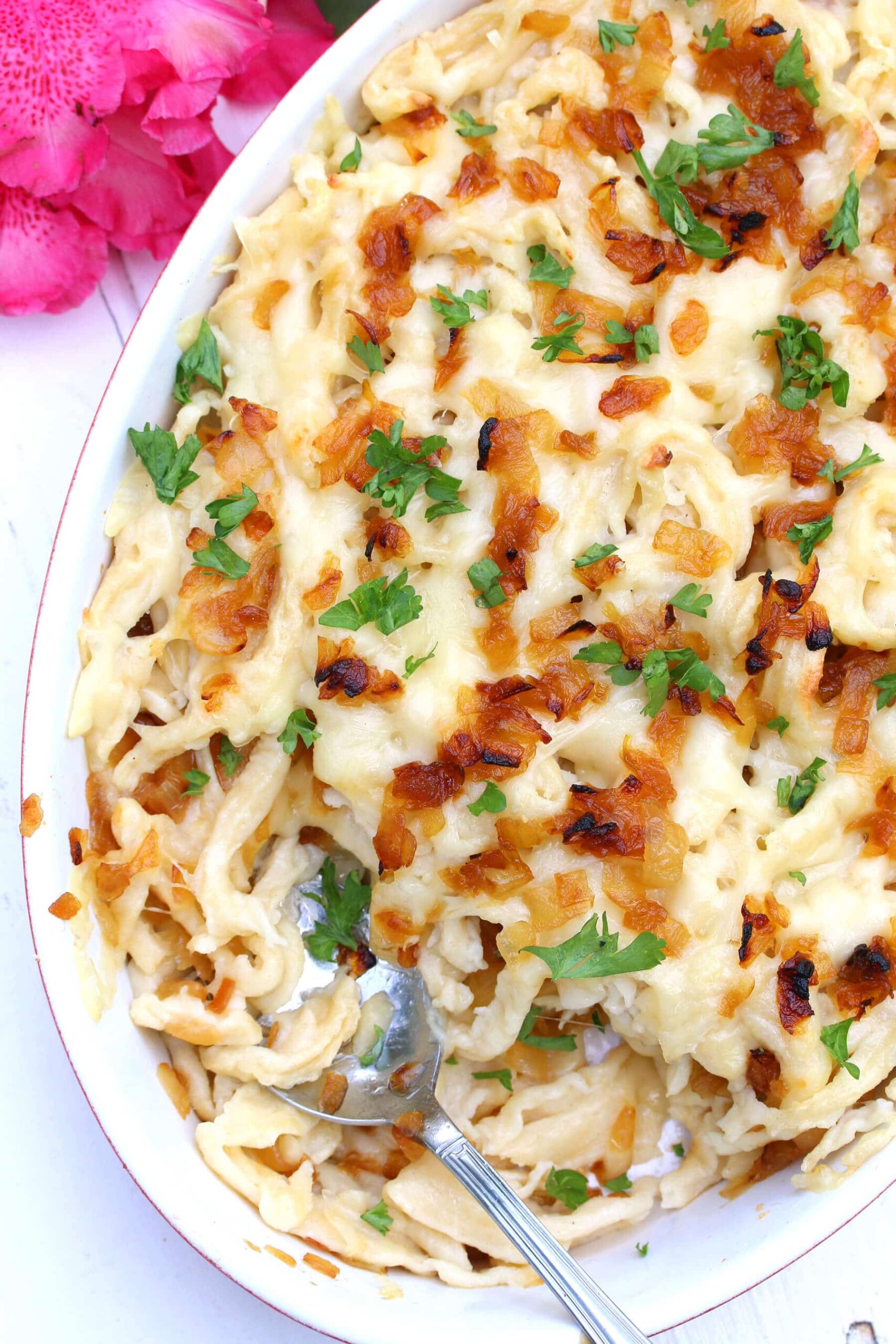
8. Käsespätzle
Käsespätzle is Germany’s comforting answer to cheesy pasta. Instead of macaroni, the dish uses small, irregular egg noodles called spaetzle, which are layered with melted cheese and often topped with golden onions. It is rich, cozy, and especially satisfying on a chilly fall evening.
Making spaetzle from scratch takes a little practice, but the ingredients are simple. Mix flour, eggs, salt, and water into a soft batter, then push small portions through a spaetzle maker or colander into simmering water. Once the dumplings float, transfer them to a bowl and toss them with butter and cheese. Top the finished dish with deeply caramelized onions for a sweet, savory contrast. German recipe collections frequently include spaetzle and sauerkraut-cheese combinations among their Oktoberfest-friendly dishes.
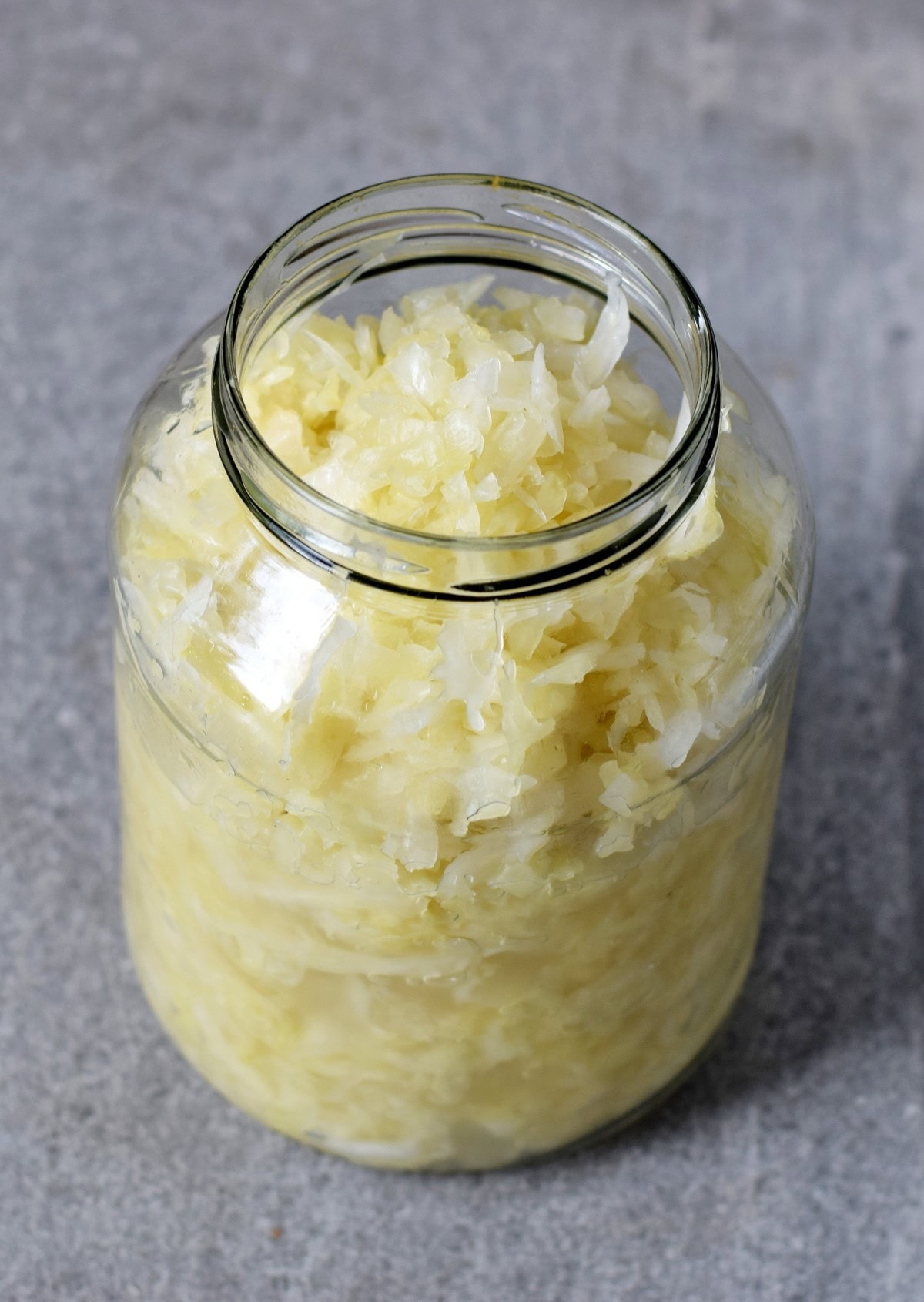
9. Sauerkraut
No authentic Oktoberfest spread feels complete without sauerkraut. Its sour, fermented flavor is the perfect counterpoint to sausages, roasted pork, and other rich foods. While sauerkraut can certainly be served straight from the jar, gently cooking it with onions, caraway, apple, or broth creates a much more rounded side dish.
Drain some of the excess liquid if the kraut is extremely sour, then sauté sliced onion in butter or oil until soft. Add the sauerkraut, caraway seeds, and a small amount of broth or apple juice. Simmer slowly until the flavors become mellow and the texture turns tender. You can also add chopped apple for subtle sweetness. Serve it alongside bratwurst or pork knuckle and let the acidity brighten every bite.
10. Kartoffelpuffer
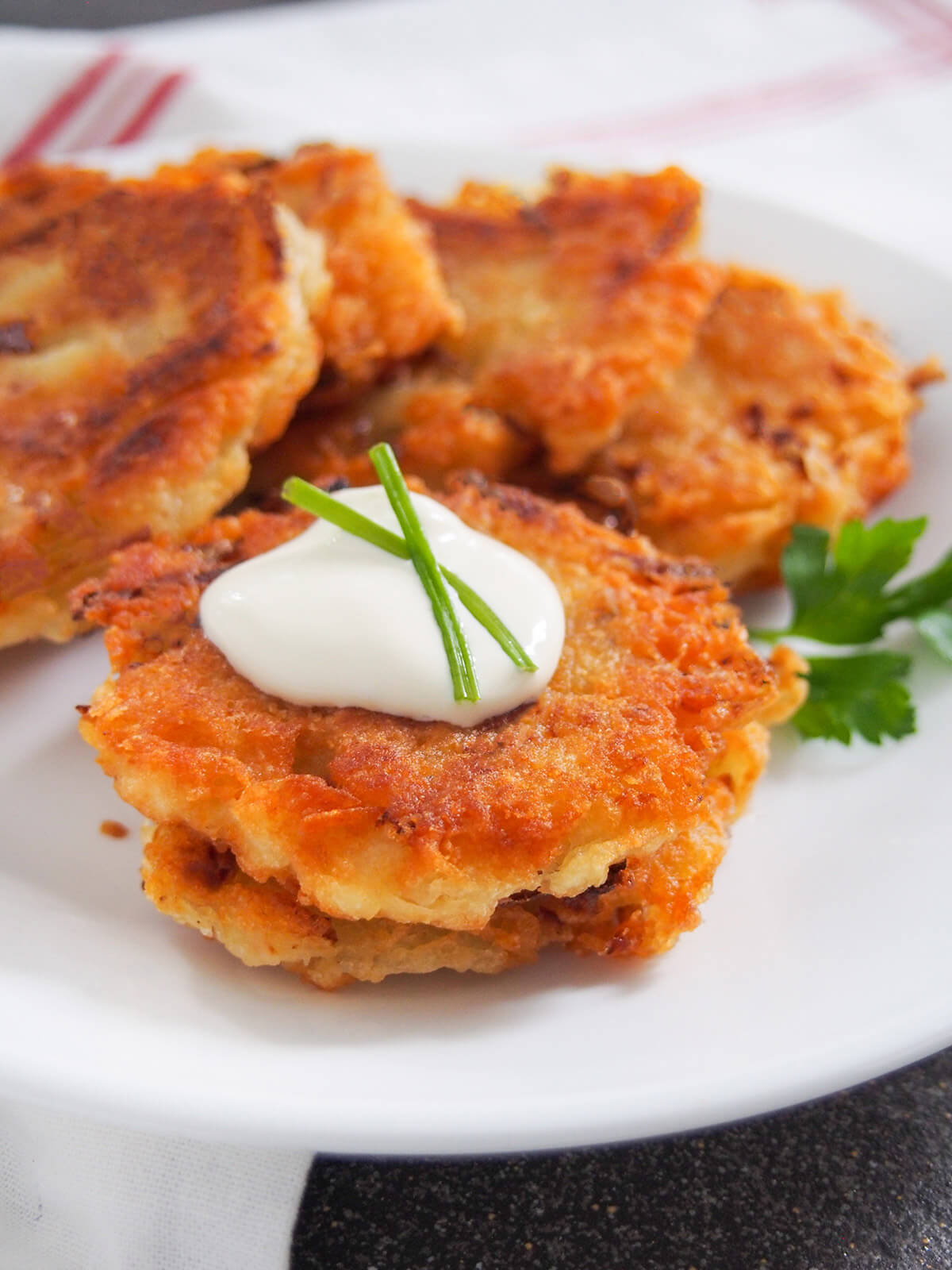
Kartoffelpuffer, also known as German potato pancakes, are crisp, golden, and wonderfully simple. Grated potatoes are mixed with onion, egg, and a little flour before being fried in a skillet. They make a fantastic appetizer or side dish and can be served with savory toppings or a traditional sweet accompaniment.
The trick is removing as much moisture as possible from the grated potatoes before frying. Excess water can prevent the pancakes from becoming crisp. After grating the potatoes and onion, squeeze them thoroughly, then mix with egg, flour, salt, and pepper. Fry small portions in hot oil until both sides are deeply golden. Serve immediately because crispness is part of the appeal. Potato pancakes are also featured in German and Oktoberfest recipe collections, making them an easy addition to a larger Bavarian-style menu.
11. Sauerbraten
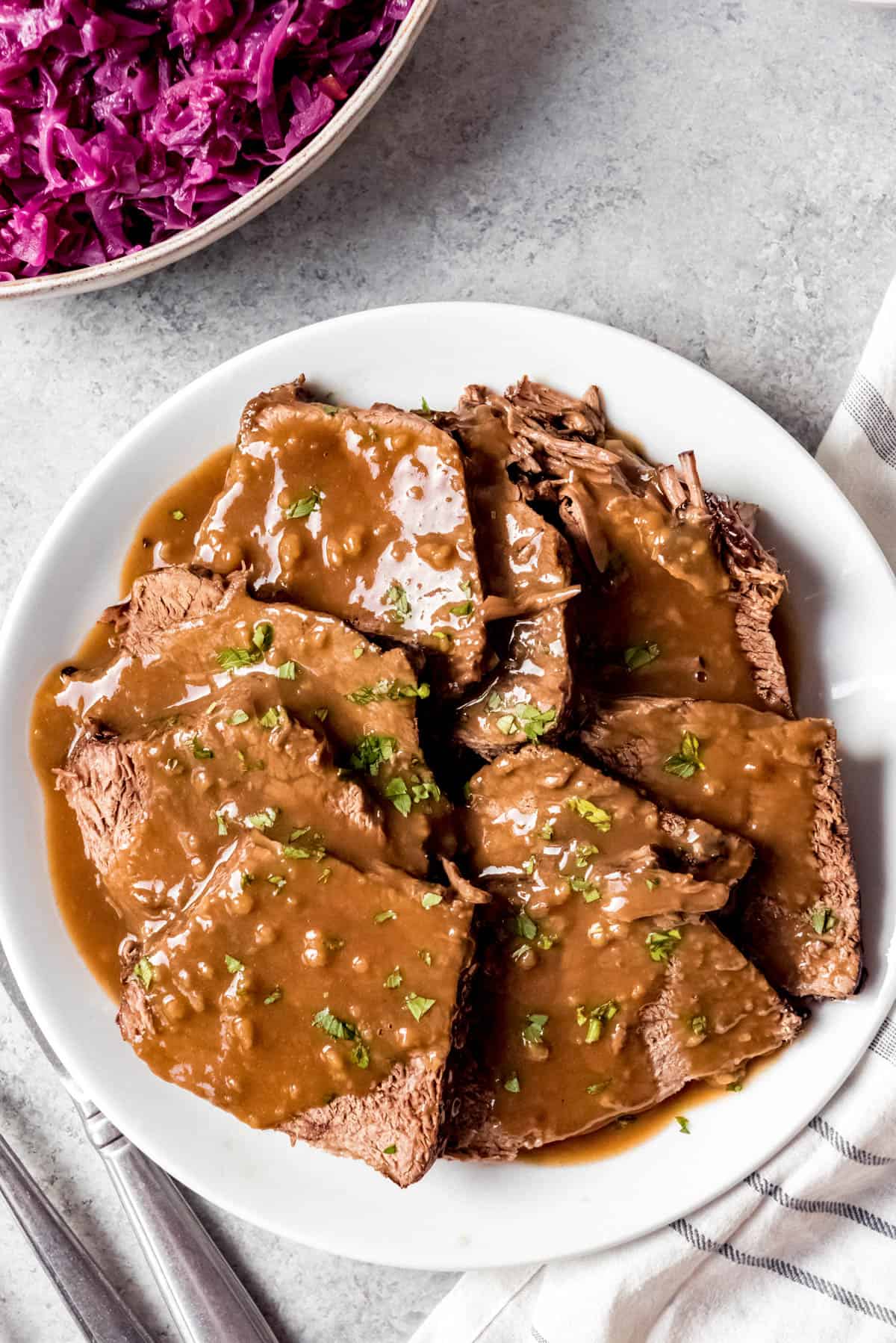
If you want a slow-cooked dish with deep, complex flavor, make Sauerbraten. This traditional German pot roast is known for its tangy marinade and tender beef. Unlike a basic roast, the meat is typically marinated before cooking, giving the finished dish a distinctive sweet-and-sour character.
The preparation takes time, but most of it is hands-off. Marinate the beef with vinegar, aromatics, spices, and other flavorful ingredients for several days when following a traditional approach. After marinating, brown the meat thoroughly before slowly braising it until tender. The cooking liquid becomes the foundation of the gravy, which is served generously over the sliced beef. Pair Sauerbraten with potato dumplings or spaetzle and red cabbage for a complete German feast.
12. Weißwurst with Sweet Mustard
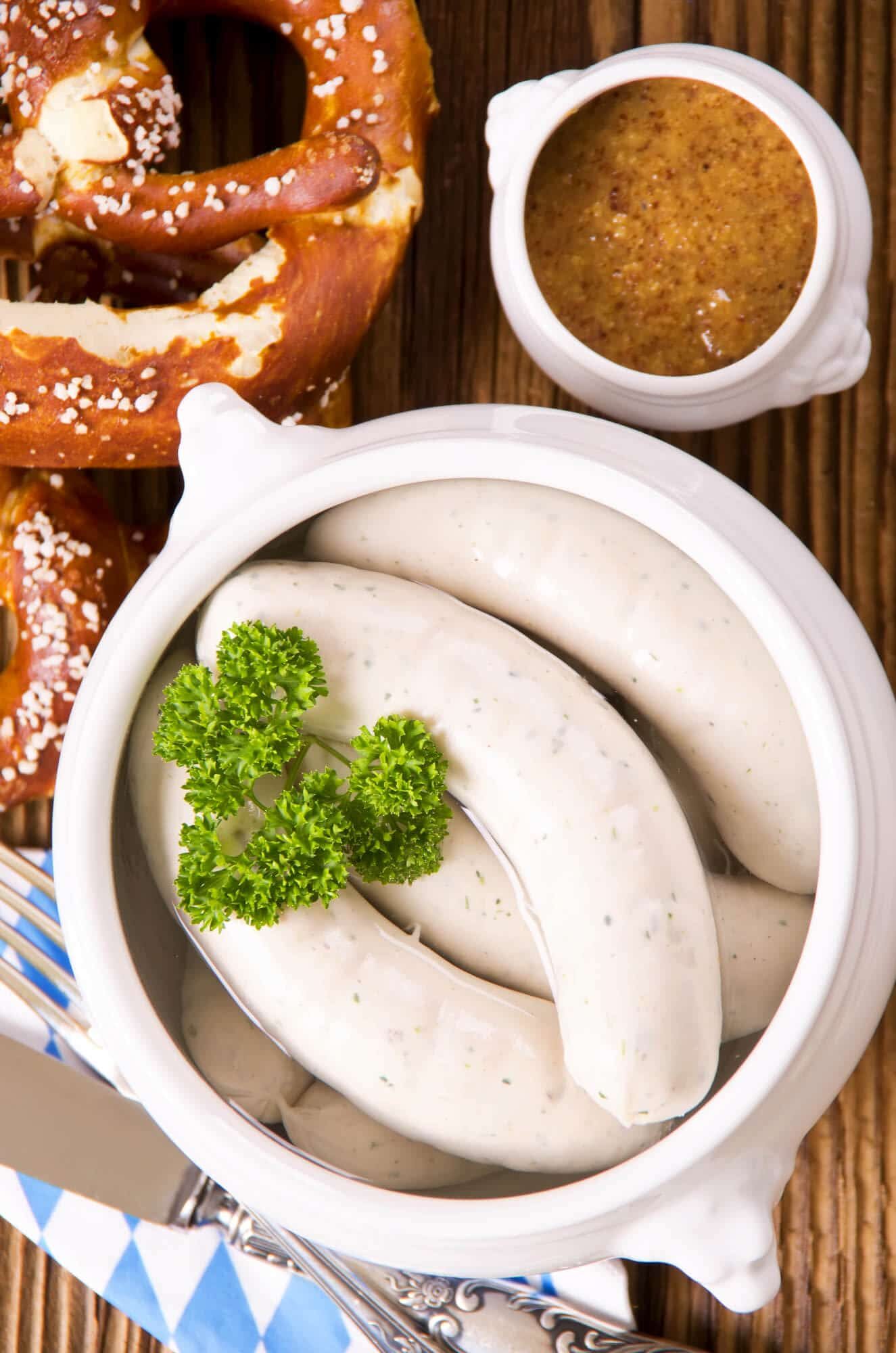
Weißwurst is a classic Bavarian white sausage traditionally associated with a morning meal and commonly served with sweet mustard and pretzels. Some Bavarian traditions are quite specific about when it should be eaten, with one long-standing saying connecting the sausage to the midday church bells.
To prepare it, gently heat the sausages in hot water rather than aggressively boiling them. This helps preserve their delicate texture. Serve them with Bavarian sweet mustard and fresh pretzels for a simple spread. If you want to recreate a traditional Bavarian-style breakfast at home, add a suitable wheat beer or a nonalcoholic alternative. This is one of those dishes where the presentation can be just as important as the cooking.
13. Bavarian Red Cabbage
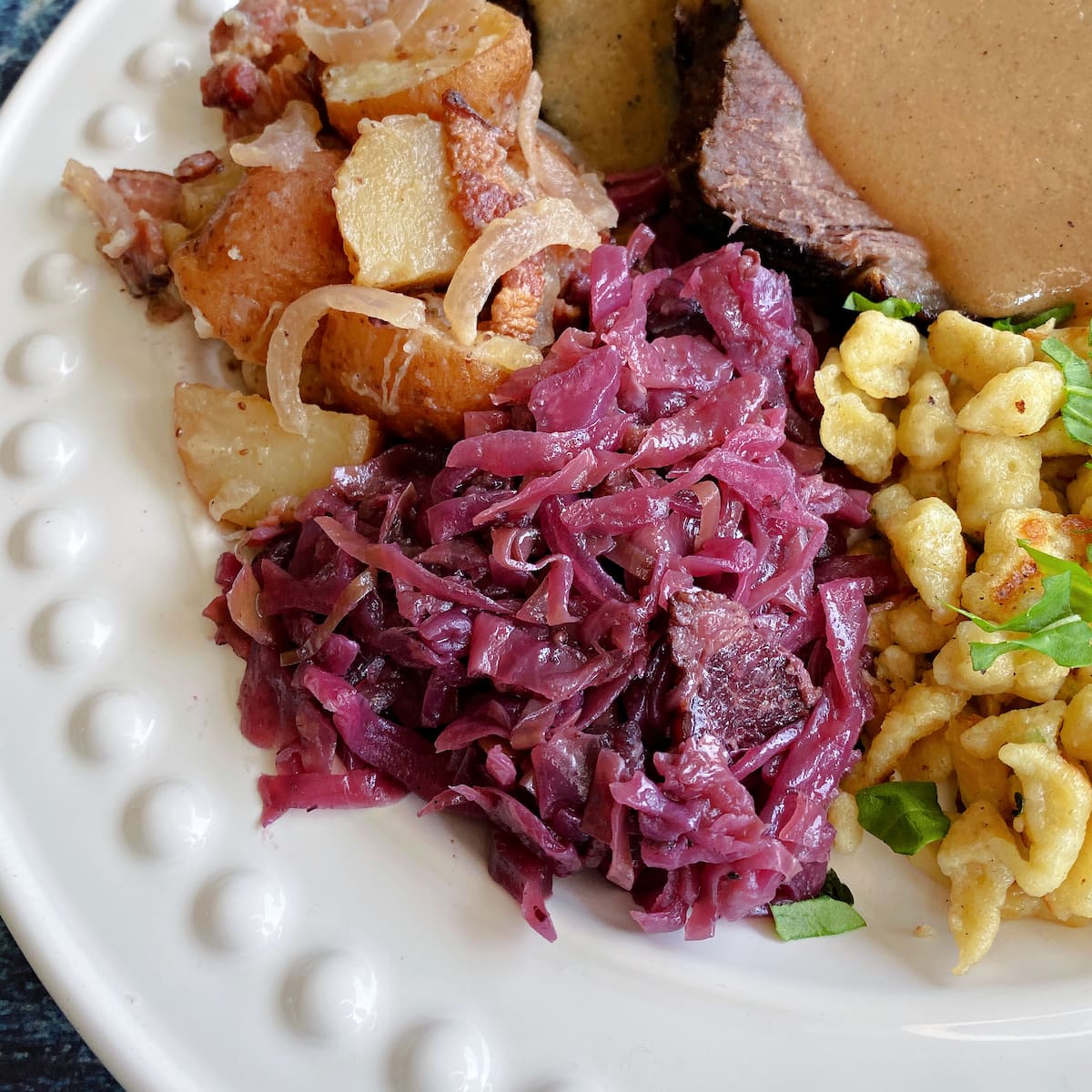
Bavarian red cabbage, or Rotkohl, adds color and acidity to an otherwise rich Oktoberfest menu. Slowly cooked red cabbage becomes tender while developing a sweet-and-tangy flavor that works beautifully with pork, sausages, roast chicken, and dumplings. It is also an excellent make-ahead side because its flavor often improves after resting.
Slice the cabbage thinly and cook it gently with onion, apple, vinegar, and warming spices. The apple contributes natural sweetness while vinegar keeps the dish bright. Allow it to simmer until tender, tasting along the way and adjusting the balance of sweet and sour. Serve it warm beside Sauerbraten, roast pork, or schnitzel. Traditional German recipe collections frequently pair red cabbage with hearty meat dishes and dumplings.
14. Beer-Braised Bratwurst
Give ordinary bratwurst a more festive treatment by braising it with beer and onions. This method combines browning and slow simmering, giving the sausages a flavorful exterior while allowing the onions and cooking liquid to develop into a rich sauce. It is an excellent choice for a party because you can keep the sausages warm and let guests serve themselves.
Brown the bratwurst in a heavy skillet, then add sliced onions and cook until they soften. Pour in beer or nonalcoholic beer and add mustard, garlic, and a little caraway if desired. Simmer until the liquid reduces and the sausages are cooked through. Serve them on crusty rolls, alongside sauerkraut, or with mashed potatoes. Beer-basted bratwurst appears repeatedly in German and Oktoberfest recipe collections, reinforcing just how naturally this combination fits the celebration.

15. Apple Strudel
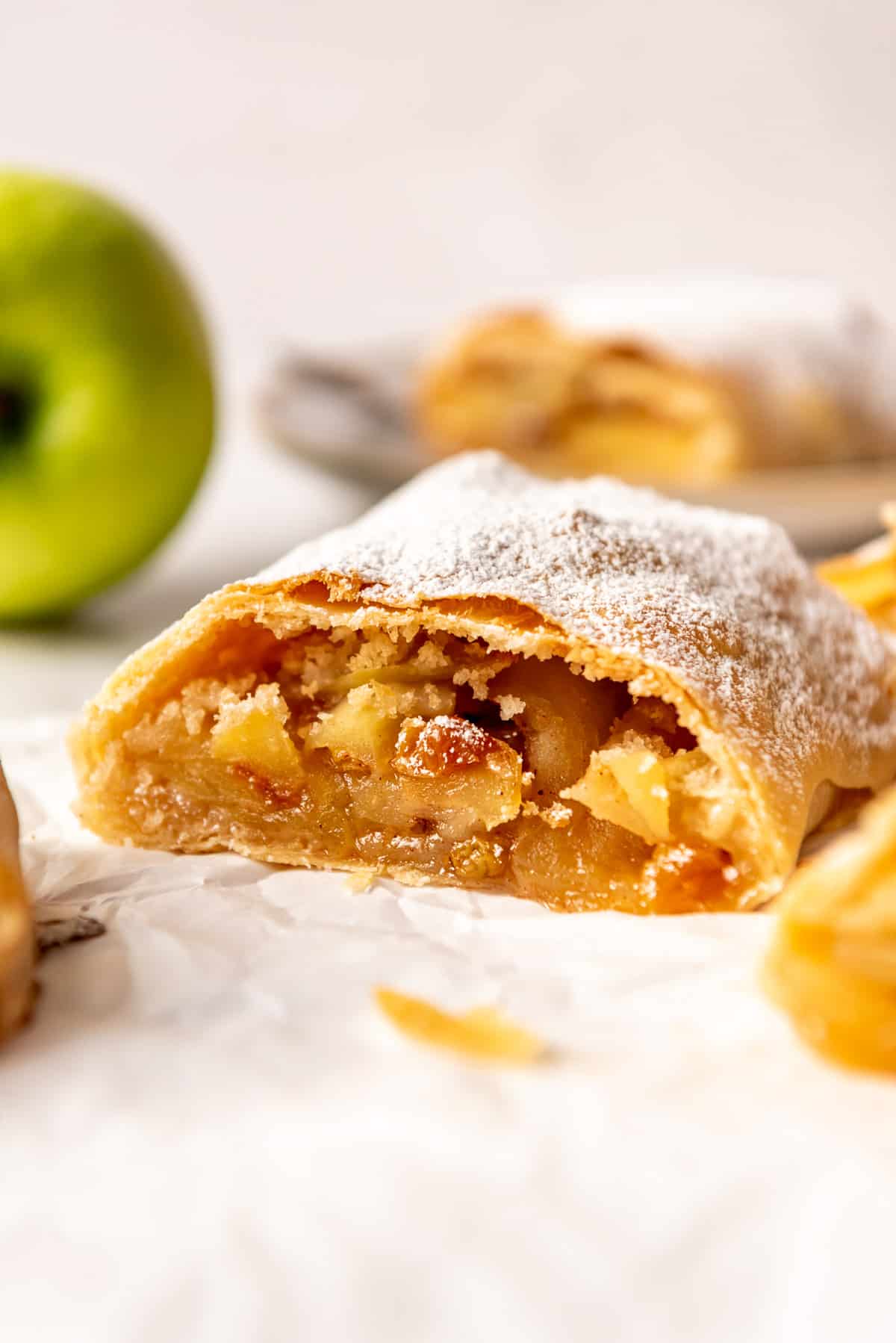
After so many savory dishes, a classic apple strudel provides the perfect sweet finish. Thin pastry wrapped around spiced apples creates a dessert that feels rustic rather than overly rich. Apples, cinnamon, sugar, raisins, and breadcrumbs create the familiar filling, while a dusting of powdered sugar makes the finished dessert look beautiful on a party table.
Choose apples that hold their shape during baking rather than turning completely soft. Toss sliced apples with cinnamon, sugar, and raisins, then wrap them carefully in pastry. Bake until the outside is crisp and golden and the filling is tender. Let the strudel cool slightly before slicing so the filling has time to settle. Serve it with vanilla ice cream, whipped cream, or a simple dusting of powdered sugar.
16. German Cucumber Salad
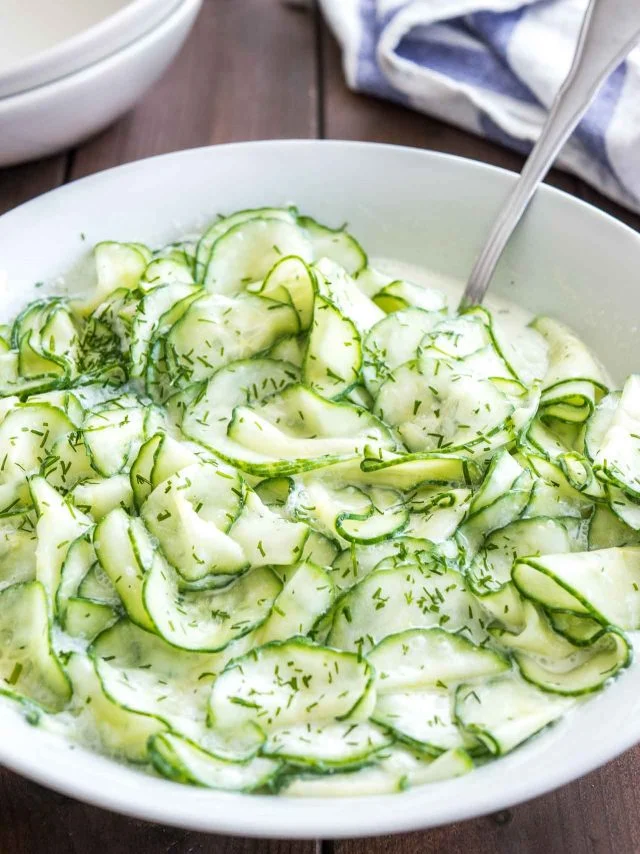
A refreshing German cucumber salad can keep an Oktoberfest meal from feeling too heavy. Thinly sliced cucumbers are combined with vinegar, herbs, onion, and sometimes sour cream to create a cool, tangy side. It works especially well beside fried schnitzel, sausages, or roasted meats.
Slice the cucumbers very thinly and lightly salt them before draining excess moisture. This keeps the finished salad from becoming watery. Toss them with vinegar, dill, onion, and a little sugar, or use a creamy dressing if you prefer. Chill the salad before serving so the flavors have time to blend. Its fresh, crisp character makes it a useful contrast to the richer dishes on the table.
17. Bavarian Beer Cheese Soup
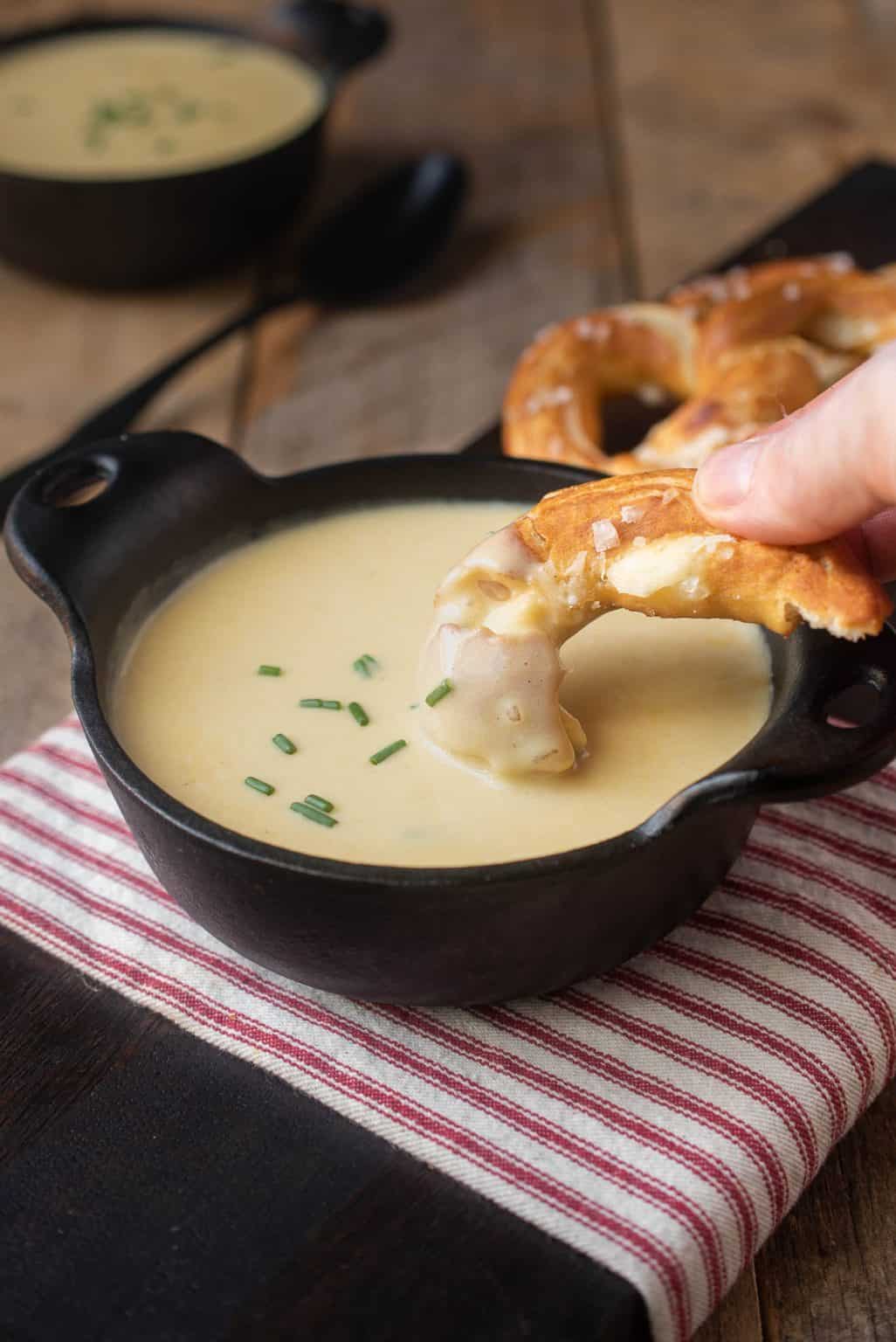
For a cozy starter, try a Bavarian-style beer cheese soup. It combines creamy cheese with beer, onions, mustard, and seasonings to create a warming bowl that feels made for fall. While cheese soups can become overly heavy, using sharp cheese and enough mustard helps create a stronger flavor rather than simply adding more cream.
Begin by cooking diced onion in butter until soft. Add flour to create a light roux, then gradually whisk in broth and beer. Add shredded cheese slowly and stir until melted and smooth, taking care not to boil the soup aggressively after the cheese goes in. Season with mustard, pepper, and a pinch of paprika. Serve with pretzel pieces or toasted bread. It is a particularly fun way to combine two Oktoberfest favorites in one bowl.
How to Build an Oktoberfest Feast at Home
You do not need to cook all 17 recipes to create a memorable Oktoberfest dinner. In fact, trying to prepare everything at once could turn a fun celebration into a kitchen marathon. A better strategy is to choose one centerpiece, two or three sides, one appetizer, and one dessert. For example, Schweinshaxe with sauerkraut, German potato salad, Bavarian pretzels, Obatzda, and apple strudel would give you a generous menu with plenty of variety.
For a smaller gathering, bratwurst is probably the easiest centerpiece. Add pretzels and Obatzda for the starter, German potato salad and sauerkraut for sides, and apple strudel for dessert. If you’re serving a larger group, roast chicken or pork knuckle can create a more impressive centerpiece. Current Oktoberfest guides consistently emphasize hearty combinations of roast meats, pretzels, sausages, potatoes, cabbage, and other traditional sides.
Tips for Serving Authentic Oktoberfest Food
The easiest way to make your table feel festive is to embrace a family-style presentation. Instead of plating every meal individually, place large serving dishes in the middle of the table and let everyone help themselves. Fill baskets with pretzels, arrange sausages on a wooden board, and serve sauerkraut and potato salad in large bowls. Small bowls of mustard, Obatzda, pickles, and fresh herbs can make the spread feel abundant without requiring much extra work.
Timing matters too. Make dishes such as red cabbage, sauerkraut, potato salad, and Obatzda ahead of time whenever possible. Pretzels are best served warm, while schnitzel and potato pancakes should be cooked close to serving time so they stay crisp. If you’re serving roast chicken or pork knuckle, allow the meat to rest before carving. The goal is not to spend the entire celebration standing over the stove. Good Oktoberfest food should make the gathering feel relaxed, generous, and social.
Conclusion
These 17 authentic Oktoberfest recipes give you everything you need to create a festive Bavarian-inspired meal at home. From chewy soft pretzels and creamy Obatzda to bratwurst, sauerkraut, schnitzel, pork knuckle, spaetzle, and apple strudel, the menu is built around simple ingredients and satisfying flavors. Traditional Oktoberfest food is hearty by design, but tangy cabbage, mustard, vinegar-based salads, and fresh herbs keep the meal balanced.
The best part is that you can make the celebration your own. Pick a few recipes that fit your cooking style, invite your favorite people, put everything on the table, and enjoy the meal together. You do not need a giant festival tent to capture the spirit of Oktoberfest. A warm kitchen, a table full of German favorites, and good company can create the same feeling of comfort and celebration right at home.
Frequently Asked Questions
1. What are the most traditional Oktoberfest foods?
Some of the best-known traditional Oktoberfest foods include soft pretzels, roast chicken, pork knuckle, bratwurst, sauerkraut, potato dishes, Obatzda, and dumplings. Munich’s Oktoberfest food traditions are particularly associated with Bavarian specialties such as Hendl, Brezen, and Schweinshaxe.
2. What should I serve with bratwurst for Oktoberfest?
Bratwurst pairs especially well with sauerkraut, German potato salad, mustard, pretzels, caramelized onions, and braised cabbage. You can also serve it with spaetzle or roasted potatoes for a heartier dinner.
3. What is a good Oktoberfest appetizer?
Bavarian soft pretzels with Obatzda are an excellent choice. The combination gives you a classic salty, chewy snack alongside a creamy cheese spread that can be prepared ahead of time.
4. Can I make Oktoberfest recipes ahead of time?
Absolutely. Sauerkraut, red cabbage, Obatzda, potato salad, and some braised dishes can be prepared ahead. Save foods that depend on crispness, such as schnitzel, potato pancakes, and fresh pretzels, for closer to serving time.
5. What dessert goes well with an Oktoberfest dinner?
Apple strudel is an excellent choice because its cinnamon-spiced apple filling provides a classic fall finish without being excessively heavy. Other German desserts, including cherry-based and chocolate desserts, also appear in traditional Oktoberfest recipe collections.
Related Ideas
25 Best German Dessert Recipes for Every Occasion
17 Traditional German Breakfast Foods You Need to Try Today